





The AI Your Business Needs Is Definitely Not ChatGPT | CEO Insights
Many companies assume that “having AI” means they’ve gone digital. But ChatGPT is not the AI businesses actually need. Enterprise AI has to understand internal workflows, connect to knowledge bases, enforce permissions, and meet security and compliance requirements. It should be an intelligent assistant that proactively supports decisions and boosts efficiency, and it should come with both cloud and on-premise options.
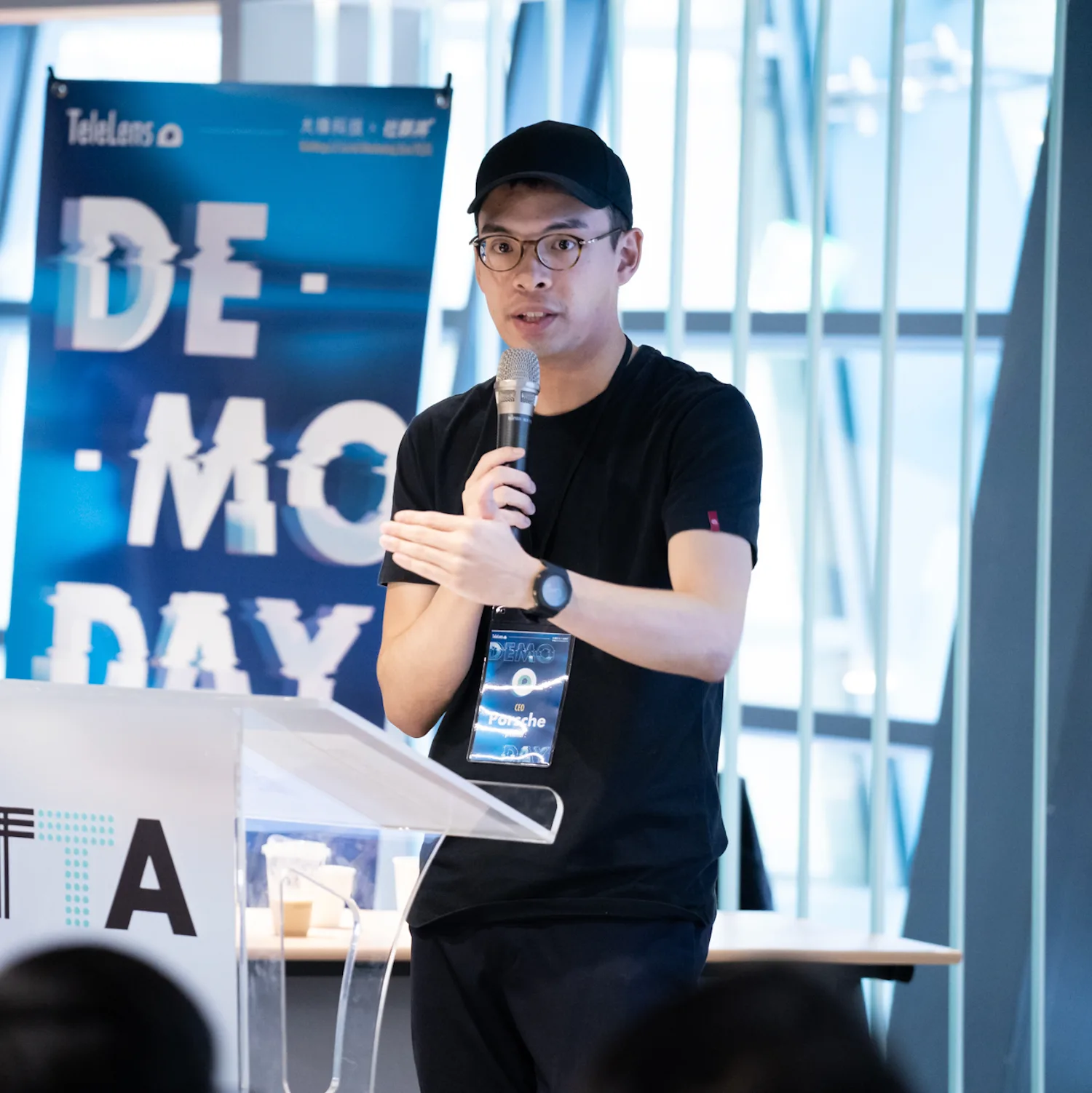 Porsche TsaiCEO

“Our company needs AI too, and it has to be better than ChatGPT. Otherwise I’ll just use ChatGPT.” That’s the line I’ve heard more than any other lately.
There’s no denying that ChatGPT gives excellent answers. It sounds natural, it’s logical, and it even remembers context. Because it feeds your past conversations into the system prompt as reference, it often produces answers that are sharper than your own and sound more like “you” than you do. For many people, that was the first real WOW Moment of feeling that “AI gets me.”
So it’s easy to see why business owners treat ChatGPT as the baseline. “If the consumer version I use is this good, my enterprise AI should be military-grade and give even better answers.” It sounds reasonable, but it overlooks a crucial premise: what a business needs from AI is completely different from what an individual needs.
A construction company that needs vehicles to haul building materials doesn’t buy a Mercedes-Benz S-Class. The S-Class may be comfortable, quiet, and loaded with a premium sound system, but that’s not why a construction company buys a vehicle. Adopting AI works the same way. It’s not about simply “having” it. You first have to answer a more fundamental question: who is the AI serving, and what problem is it solving?
ChatGPT is not the AI businesses need. It’s a generalist, and what businesses really need is a specialist that delivers in their own context.
ChatGPT Is an All-Purpose Generalist, but Businesses Need an Insider Who Knows the Trade
ChatGPT’s strength is that it knows a little about everything. It can write poems, code, and marketing copy, and even draft a strategy for you. But the challenge inside a company has never been “I can’t get an answer.” It’s whether the answer can actually be put into practice. AI that truly creates value has to understand the rhythm of your business: who your customers are, how your sales process runs, where your customer service pain points lie, and how marketing assets should vary by person. It doesn’t just need to generate text. It needs to act within your context.
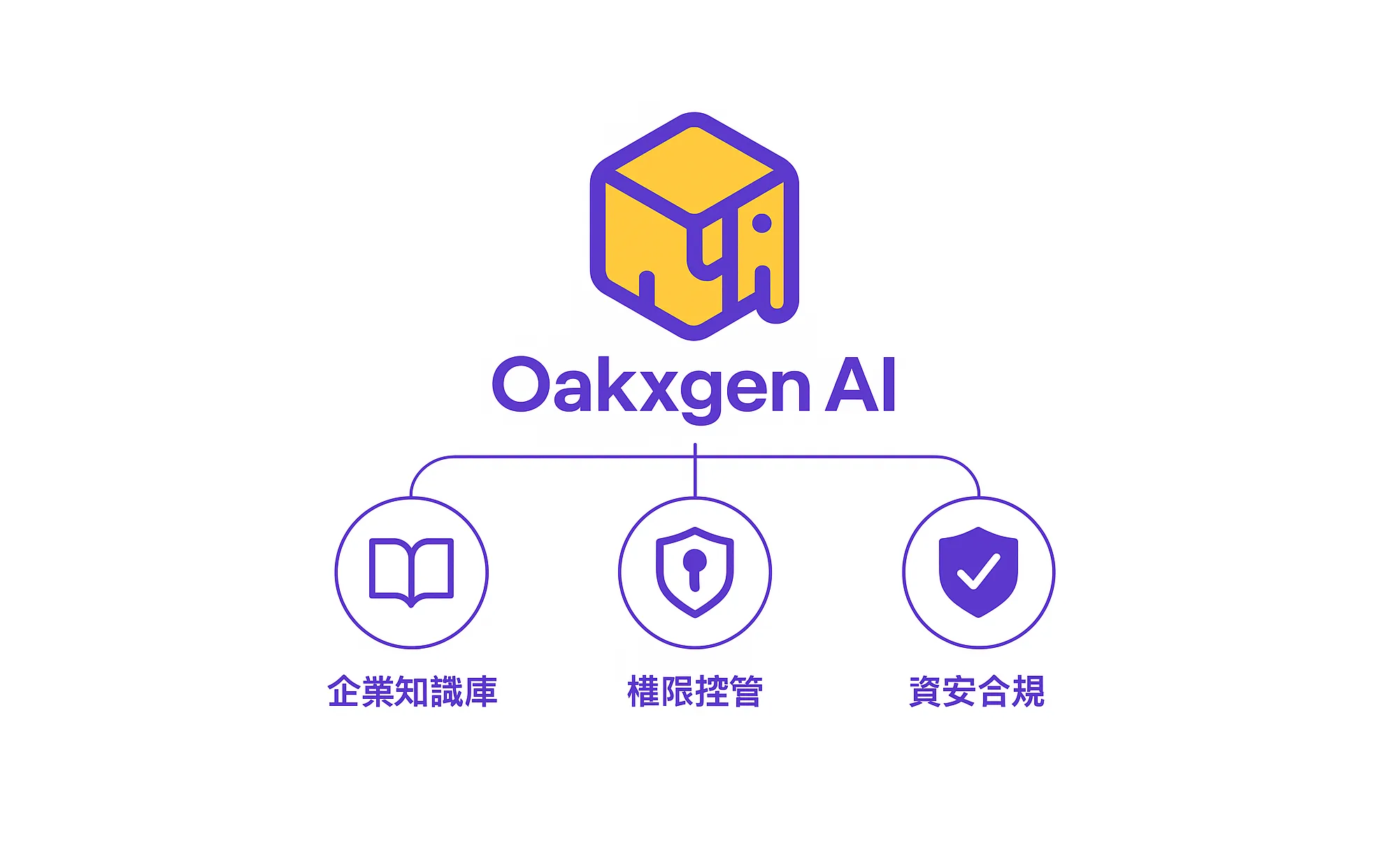
ChatGPT is like a brilliant student locked away in the cloud. It doesn’t know your company’s SOPs, the customer data in your CRM, your service logs, or your internal reports, and it shouldn’t. Enterprise AI, on the other hand, has to operate inside those structures. For AI to deliver real value in a company, it must plug into the internal world: integrate with your CRM, customer service system, forms, and knowledge base; tie into access control and role settings; and comply with regulations such as GDPR, PDPA, and HIPAA. None of this is something ChatGPT can provide. By nature, it doesn’t belong to your company. The value of enterprise AI is that it belongs to you, understands you, and operates safely within your data.
ChatGPT Waits for You to Ask; Enterprise AI Should Step In and Help
At a marketing meeting once, I asked the team to discuss the theme for next quarter’s campaign. The colleague in charge of the campaign opened with, “Today we need to come up with a campaign name. Let’s start brainstorming.” And then the whole room fell silent for five minutes.
At work, what I can least tolerate is a meeting where people meet but don’t discuss, or discuss but don’t decide. Meetings like that waste time and drain everyone’s mental energy. For me, how well someone contributes to a meeting is a key signal of whether they can be trusted with big responsibilities. I look at whether they can lay out the background clearly, state the goal plainly, and put forward concrete recommendations, so everyone can discuss and decide directly on top of information that has already been organized and is worth acting on.
AI inside a company should be that kind of talent too. It shouldn’t wait to be summoned. It should understand the context on its own and offer the right help at the right moment.
ChatGPT is reactive: you ask, it answers. Enterprise AI should be proactive. Picture a few scenarios:
- When a sales rep opens the CRM, AI automatically generates a summary of the key points for that customer and suggests next steps;
- When a service agent replies to a message, AI offers the best reply suggestions in real time;
- When marketing plans a new campaign, AI generates copy and audience suggestions based on past conversion rates.
AI like this is no longer a tool you have to go looking for. It’s an assistant built into your daily workflow. It reads the context, understands how your company works, and turns the flow of knowledge into productivity.
Corporate Data and Knowledge Are Both Valuable and Sensitive
For a business, data is the lifeblood of operations, and knowledge is the organization’s memory. This information usually carries both commercial value and sensitivity. If it leaks, it can hurt your competitiveness and even create regulatory risk. That’s why, when adopting AI, companies can’t think only about features or experience. They also need to think about where data and knowledge live, and who uses them and how. It’s also why businesses need AI solutions that offer both cloud and on-premise deployment.
Cloud AI gives organizations fast access to the latest models and computing power, which suits training, generation, and cross-team collaboration. On-premise AI keeps data inside the company’s perimeter and runs under strict control, meeting the security requirements of highly sensitive industries such as finance, healthcare, and the public sector.
A truly mature enterprise AI architecture should offer both: learn in the cloud, protect on-premise. Only a design like this lets companies pursue innovation and efficiency while holding the line on trust and security.
Real Competition Isn’t About Model Strength, but the Depth of Your Value Chain
No matter how powerful a model is, if it can’t connect to a company’s internal data and processes, it’s just a show of tricks. What a business really needs to build is a complete “AI value chain,” from data integration and access control to task execution and result tracking. AI is no longer just about generating content. It drives decisions and action.
That is exactly why OakMega launched Oakxgen AI. We want businesses to build their own AI Agents with no code. They understand your processes, connect to your first-party data, and follow your internal permission rules. Put simply, it lets companies go beyond “using AI” to using AI their own way.
ChatGPT marks the start of a technological revolution, but where a business ends up has to be its own intelligence. AI that understands your processes, your data, and your context is the intelligence that creates real operational leverage. AI won’t replace people, but businesses that know how to use AI will replace the people who don’t.
What AI use cases does your company want to build? Let me know in the comments.