When AI Joins the Engineering Team, Does the Work Actually Get Easier?
At OakMega's General Meeting, Air engineer Ted shared what really happened when AI came to his engineering team: development got faster, engineers got more tired, and role boundaries started to blur. See how one company is finding a new way to work alongside AI, and follow Inside OakMega.
 Irene ChaoExecutive Assistant
Contents
- First, a word about our General Meeting
- What kind of company is Air?
- AI made engineers faster, but they say they're more tired
- Role boundaries are starting to blur
- One hour a week, everyone stops to think about this
- What we took away from the conversation
- FAQ
"Since we brought in AI, our engineers ship a lot faster." Ted paused. "But they tell me they feel more tired."
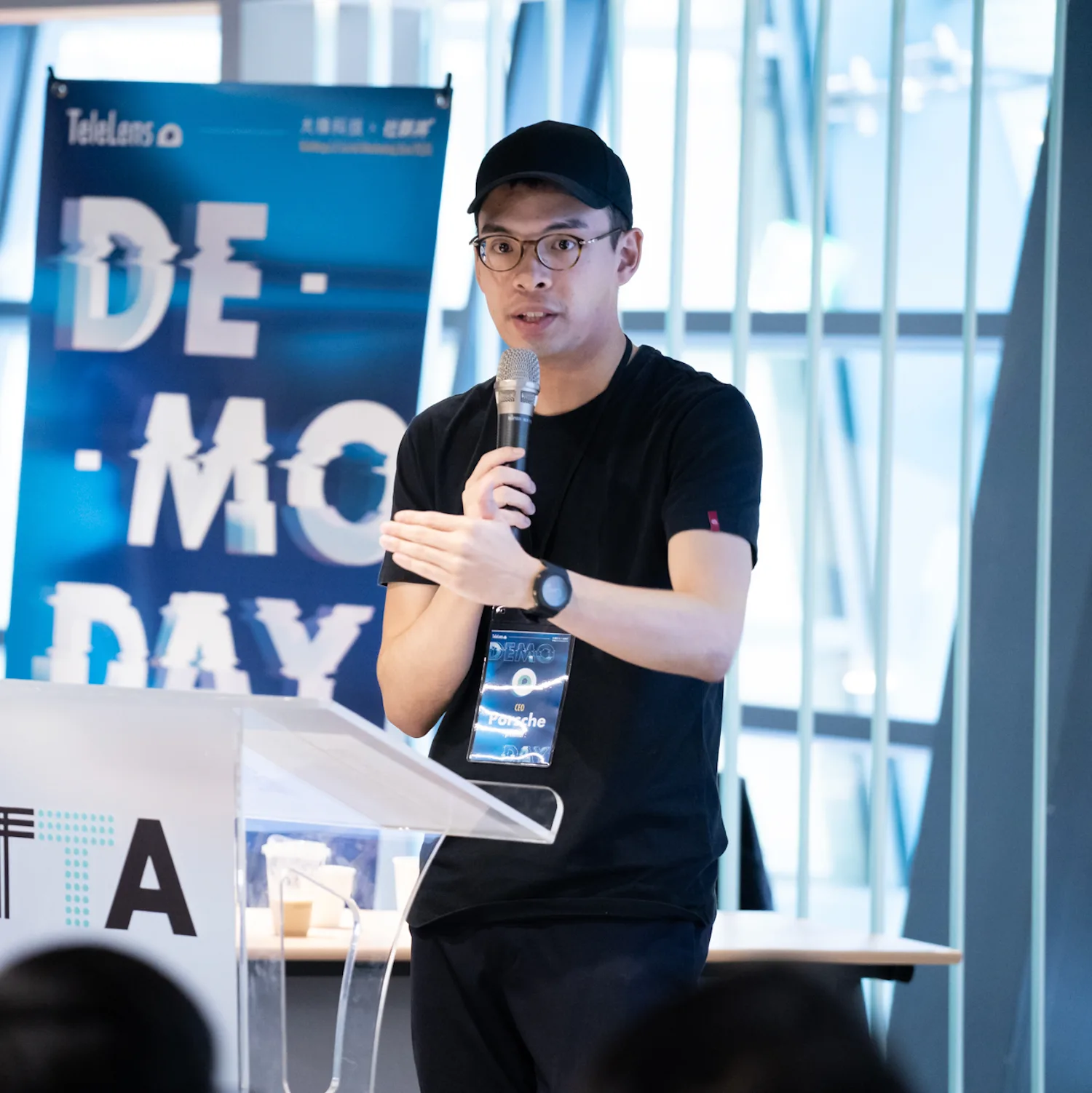
That was at last week's General Meeting, with the whole company in the room. When an outside engineer said it out loud, the room went quiet for half a second, because the first thought in a lot of heads was: wait, isn't he talking about us?
In short, AI didn't make engineers' lives easier. It changed the shape of the busyness: time moved from "writing code" to "reviewing the code AI writes" and "teaching AI the business logic." That was the core message of Ted's talk, and it's why we wanted to put this conversation on record.
First, a word about our General Meeting
Every week, OakMega holds a General Meeting that the whole company attends. Department heads share progress so everyone knows where the company stands: not just "what my team is busy with," but "where the whole company is heading."
But GM is more than status updates. Beyond the regular department reports, we set aside time for all kinds of sharing: competitor watch, market trends, new technology, interesting customer stories. Anything goes. We believe keeping the whole team curious about the outside world is worth the time. Every so often, we also invite people from outside, so first-hand experience from other companies and other perspectives can speak directly to the team (that's what the Inside OakMega series has been about all along).
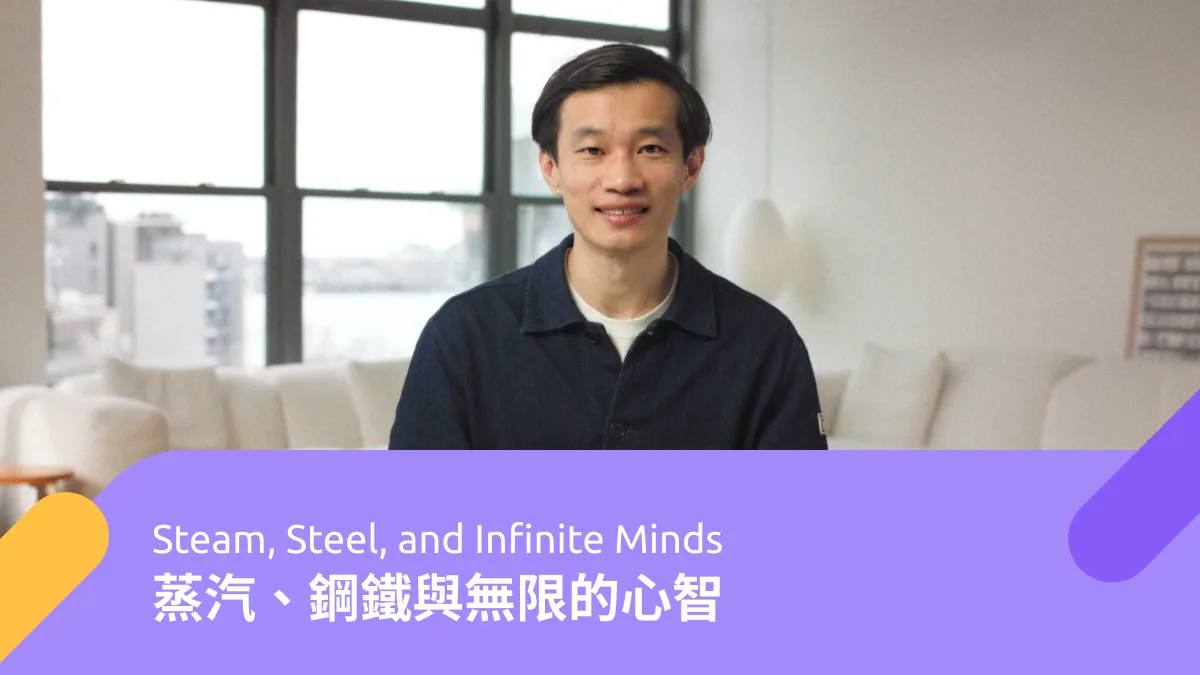
This time, our guest was Ted, a software engineer at Air.
What kind of company is Air?
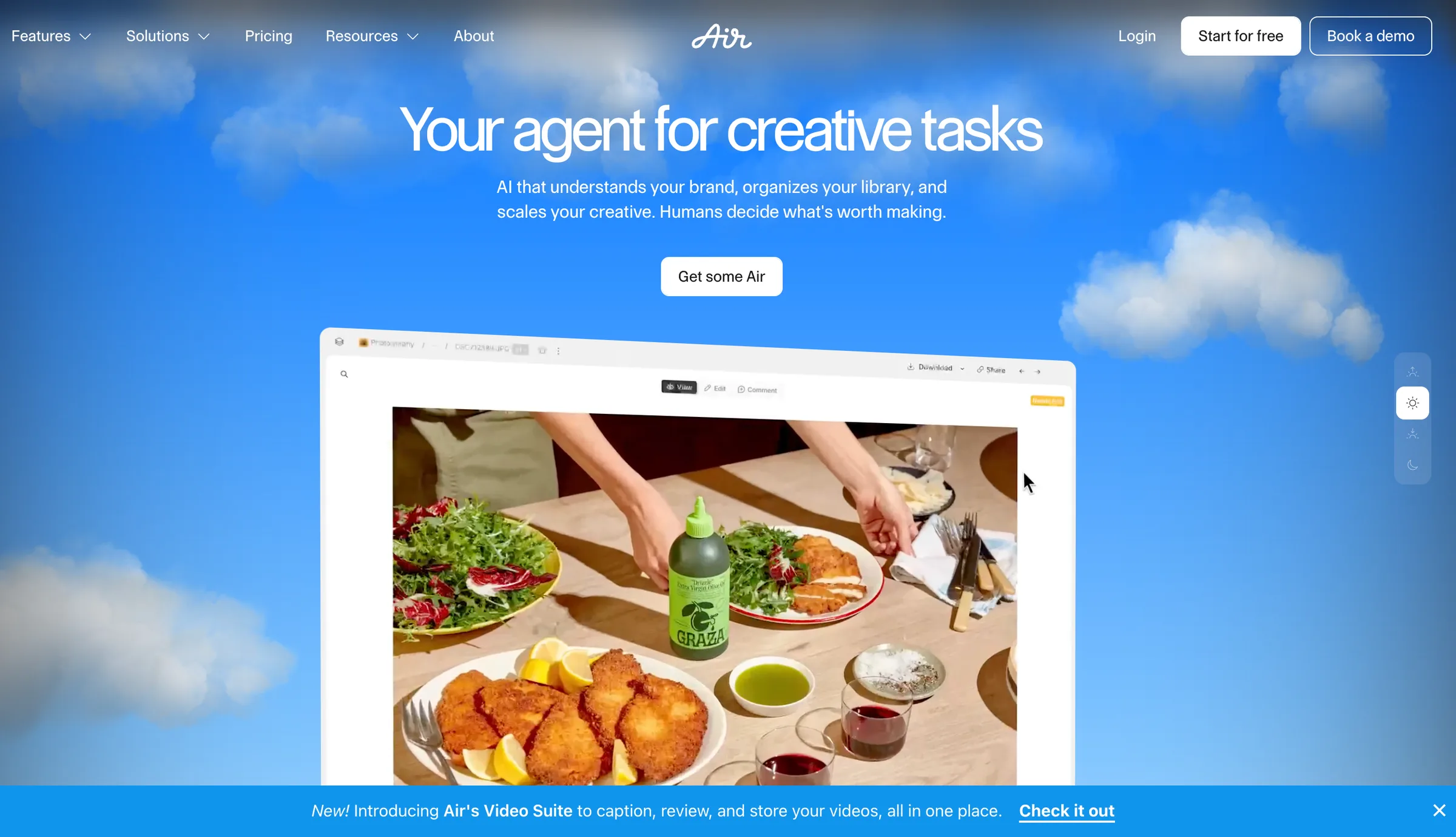
Air (founded in 2017 and headquartered in Brooklyn, New York) started out as an operations platform for creators. It now describes itself as "the agent for creative tasks." Its core product is digital asset management (DAM), but built closer to how creative and marketing teams actually work: AI organizes brand assets, tracks performance, and takes repetitive creative work off people's plates, so human attention stays where judgment is really needed.
Ted joined Air in 2024, which means he has been there for the whole ride, watching the company work through its AI transformation step by step. He has seen what went right and what went wrong.
So his talk had no slogans and no success-guru talk, just honest experience. Here are the three things that stuck with us most.
AI made engineers faster, but they say they're more tired
This is the full version of Ted's opening line.
After Air brought in AI, its engineers got dramatically faster. But once speed went up, something many people didn't see coming happened: the targets went up too. The company expected twice the output, yet engineers didn't get any more time. Their time was simply reallocated, partly to reviewing AI-generated code and partly to "teaching" AI the business logic. Neither task existed before. Now both are part of the daily routine.
So what AI brought wasn't "easier." It was "busy in a different shape." You used to spend your time writing code; now you spend it confirming that the code AI wrote is correct and fits the business context. The workload didn't disappear. It just moved somewhere else.
This was probably the moment when the most people in the room quietly nodded along.
Role boundaries are starting to blur
The second observation that stayed with us is about "who can do what."
At Air, product managers and designers can now sometimes ask AI to change a feature directly, open a pull request, and hand it to an engineer for review. A few years ago, that was almost unthinkable. Not because PMs or designers weren't smart enough, but because the technical barrier was simply too high to get over.
When AI lowers that barrier, the line around "who should do this" starts to shift. That isn't necessarily a bad thing, but it does change how teams collaborate, and it makes everyone ask again: where exactly does my role begin and end now?
One hour a week, everyone stops to think about this
The last thing Ted shared was the one we most wanted to take home with us.
Air's engineering team has a standing practice: every week, they set aside one hour where everyone stops what they're doing and focuses on a single question: how can we make our workflows more AI-driven?
The logic is simple. If you're always rushing to get things done, you'll never have time to think about how to do them better. So they deliberately protect that time. Nothing else happens. They just think about this.
It struck a chord with us. It isn't a hard policy to run. The hard part is the deliberate choice: you have to be willing to pause before you can truly move forward.
What we took away from the conversation
What stayed with us most after Ted's talk wasn't a particular tool or trick. It was a kind of respect for the technology: adopting AI is a process of continuous adjustment, not a project you can "close out."
To stay competitive, Air sets aside one hour every week to do nothing but think about how to work better with AI. That deliberately protected time for reflection comes from the same place as OakMega inviting outside speakers to GM: stop and get a clear view of where you stand first, and you'll know where to go next.
We're on this road too, working out with AI the way of working that fits this team best. We haven't found the definitive answer yet, but we've already started making time for the question.
If you like the idea of a company that stops to think things through and then moves forward together, follow Inside OakMega for more first-hand observations like this one. And if you'd like to get to know us better, or even join us, all of OakMega's openings are right here 👉 See our open positions.
💡 About our guest
Ted Chen | Software Engineer at Air
Air was founded in 2017 and is headquartered in Brooklyn, New York. The platform serves more than 100,000 creatives across over 2,100 companies and manages more than 120 million assets (Air official figures, 2026). Air positions itself as "the agent for creative tasks," combining digital asset management, review workflows, AI editing, and cross-platform publishing so creative teams can hand repetitive execution work to AI and keep human attention on the calls that truly need judgment.
FAQ
Q: Does engineering work get easier after adopting AI?
A: Not necessarily. In Air's experience, AI raised development speed, but the company's output expectations rose right along with it. Engineers' time was reallocated to two new jobs: reviewing AI-generated code and teaching AI to understand the business logic. The result isn't less work, just a different shape of busy.
Q: How does AI change the division of roles on a team?
A: AI lowers the technical barrier, so non-engineering roles such as PMs and designers can ask AI to change features and create pull requests directly, then hand them to engineers for review. That blurs the boundaries of "who owns what," and teams need to redefine the scope of each role.
Q: How can a company keep its AI adoption moving forward?
A: Air sets aside one hour of Focus Time every week. Everyone stops what they're doing and thinks specifically about how to make their workflows more AI-driven. The key is deliberately protecting time for reflection, because a team that's always racing to deliver never has room to improve how it works.
Q: What is Inside OakMega?
A: Inside OakMega is OakMega's company culture series. It shares how the team works, internal events, and conversations with outside speakers, so people can see how this company thinks and operates.