






AI That Doesn't Just Think for You but Gets the Work Done: What GPT-6 Astra Really Signals for Business
GPT-6 Astra's biggest leap isn't raw intelligence. It can operate a CRM, fill in forms, and finish multi-step work on its own. OakMega's CEO unpacks what Astra really signals for business: CRM is shifting from “people operating the system” to “AI agents doing the work for you” (Agentic CRM), and FDE is how you plug execution-ready AI into your workflows.
 MarketingTeam

On September 3, OpenAI released GPT-6 Astra, and social media buzzed about it for a full week. Some compared benchmarks, some compared pricing, and others asked how much smarter it really is.
In one sentence: GPT-6 Astra's biggest change isn't that it answers more intelligently. It's that it now operates tools on its own and sees the whole job through. I read through OpenAI's release materials, and one line stuck with me: the core of Astra is moving AI from “helping you think” to “getting the whole job done for you.” That's a shift in the verb, and in my view it's the most valuable part of this upgrade.
Contents
- The real leap in GPT-6 Astra
- How CRM will evolve
- AI is moving from “a chat feature” to “executing business work”
- The next step is easier than you think
- FAQ
The real leap in GPT-6 Astra: from “better answers” to “finished work”
For the past two years, the model race has mostly been about one thing: who gives the better answer. You ask a question, the model returns content, and you still do the hands-on work yourself.
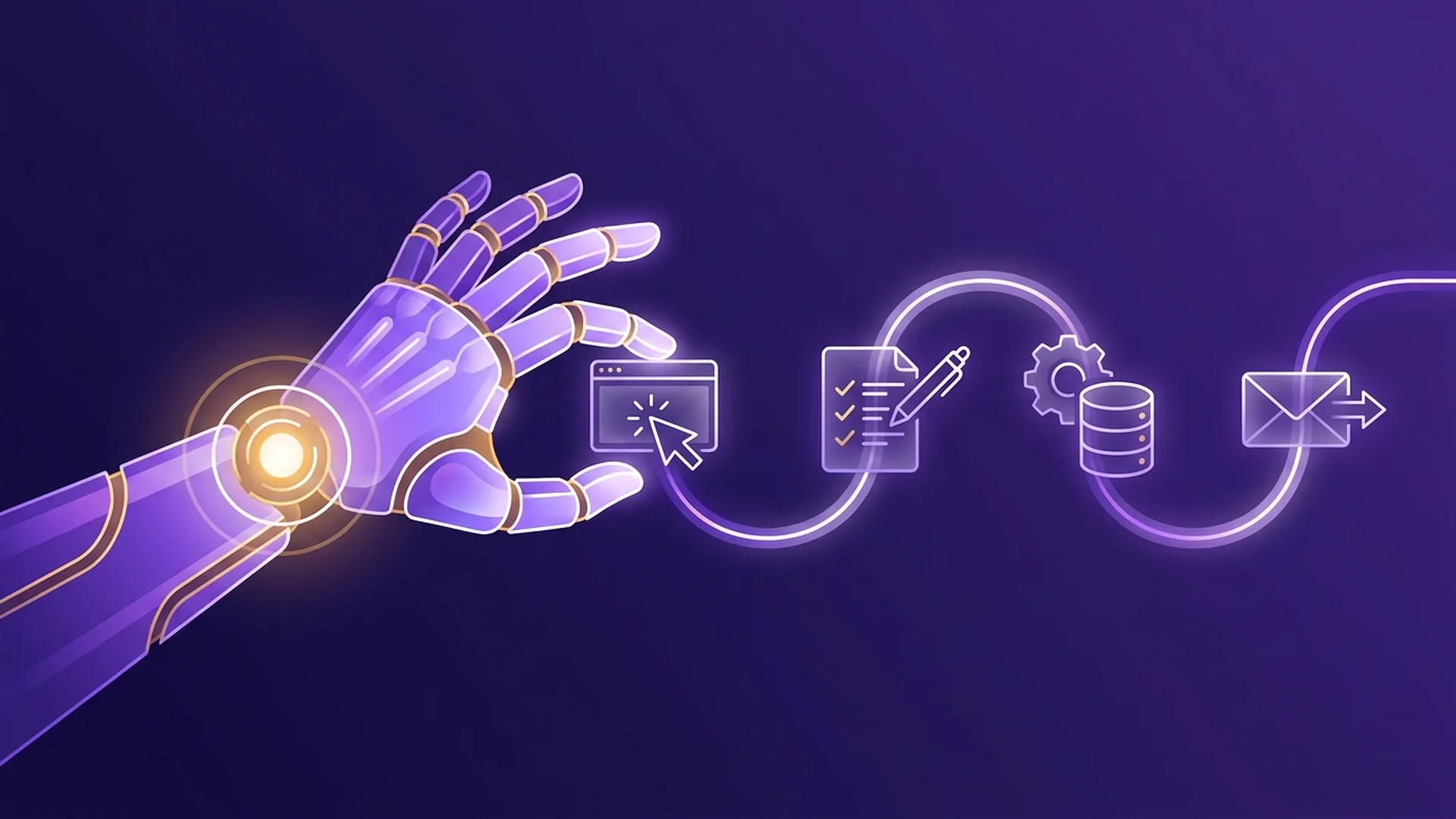
Astra moves the focus to the next step. OpenAI positions it as a new-generation computer-use model. It can actually operate websites, fill in forms, update a CRM, organize calendars, and research online, then write the results into a document or email. Add a major boost in multi-step task performance, and it breaks the work down, executes it, and adjusts when things change.
It's like gaining a coworker who rolls up their sleeves and gets things done. Once you hand off the task, you can move on to something else with peace of mind.
One number from OpenAI's testing caught my attention: on OSWorld 2.0 tasks, Astra matched or beat prior performance while finishing about 47% faster. That means “AI gets it done for you” is no longer a question of whether it can, but whether it pays off.
Here's a table of the key GPT-6 Astra upgrades and what each one means for everyday business work:
How CRM will evolve: from “people operating the system” to “AI agents doing the work for you”
One part of the Astra release lands squarely in our product space, and it hit home for me: CRM.
When OpenAI introduced Astra's computer-use capabilities, it explicitly cited “updating customer records in a CRM” as an example. That sounds mundane, but it signals a shift in the entire operating model. And it's not just talk: Astra scored 72.6% on the OSWorld 2.0 computer-use benchmark, which means “hands-on CRM work” is now a task it can actually execute.
Traditionally, CRM has worked like this:
People → operate the CRM → the CRM records data
You open every customer record yourself, update every field, and set every reminder. A CRM is a very diligent filing cabinet, but you're always the one opening drawers, filing, and labeling.
Next, it will most likely look like this:
People → assign a task → an AI agent operates the CRM
You say one sentence, and the agent handles the clicking, checking, and filling in. For example:
“Find all high-value leads from this week, review their recent interactions, estimate their likelihood to close, and create sales follow-up tasks.”
That single sentence used to cost a sales assistant half an afternoon. Now it's a task that can be understood, broken down, and executed. This is what Agentic CRM looks like: the CRM no longer just records what has already happened. It proactively gets the next step done for you.
To me, the real significance of this shift isn't fewer mouse clicks. It's that it gives sales teams their time back, moving it from “maintaining the system” to “building relationships.” Let agents handle the system chores, so people can focus on what they do best: judgment, communication, and closing deals.
Part of what makes this possible is how much data Astra can take in at once. According to OpenAI, its context window reaches 1,050,000 tokens with up to 128,000 output tokens per response, enough to ingest a whole batch of leads, past interaction history, and brand guidelines and weigh them together.
Of course, letting an agent operate your CRM only works if you trust its boundaries. Astra has thought this through as well. It supports mid-turn steering, so halfway through a task you can add, “Focus on enterprise customers instead,” and it will build on the work already done. OpenAI also added misalignment monitoring, so when the agent may have misunderstood an instruction, it pauses and asks you to confirm. An Agentic CRM that you can both delegate to and keep in check is one you can actually put into daily use.
AI is moving from “a chat feature” to “executing business work,” and that's exactly what FDE does
Put all of this together, and Astra sends a very clear industry signal: AI is moving from “a chat feature” to “actually executing business work.”
Models will keep getting stronger with each generation, and that's a dividend everyone shares. What's truly valuable is plugging this “gets it done for you” capability into a company's real workflows: your CRM fields, your approval rules, your brand voice, and the few highly repetitive bottlenecks. A general-purpose model gives you the engine. FDE gives you the engineering that installs that engine in the car and gets it safely on the road.
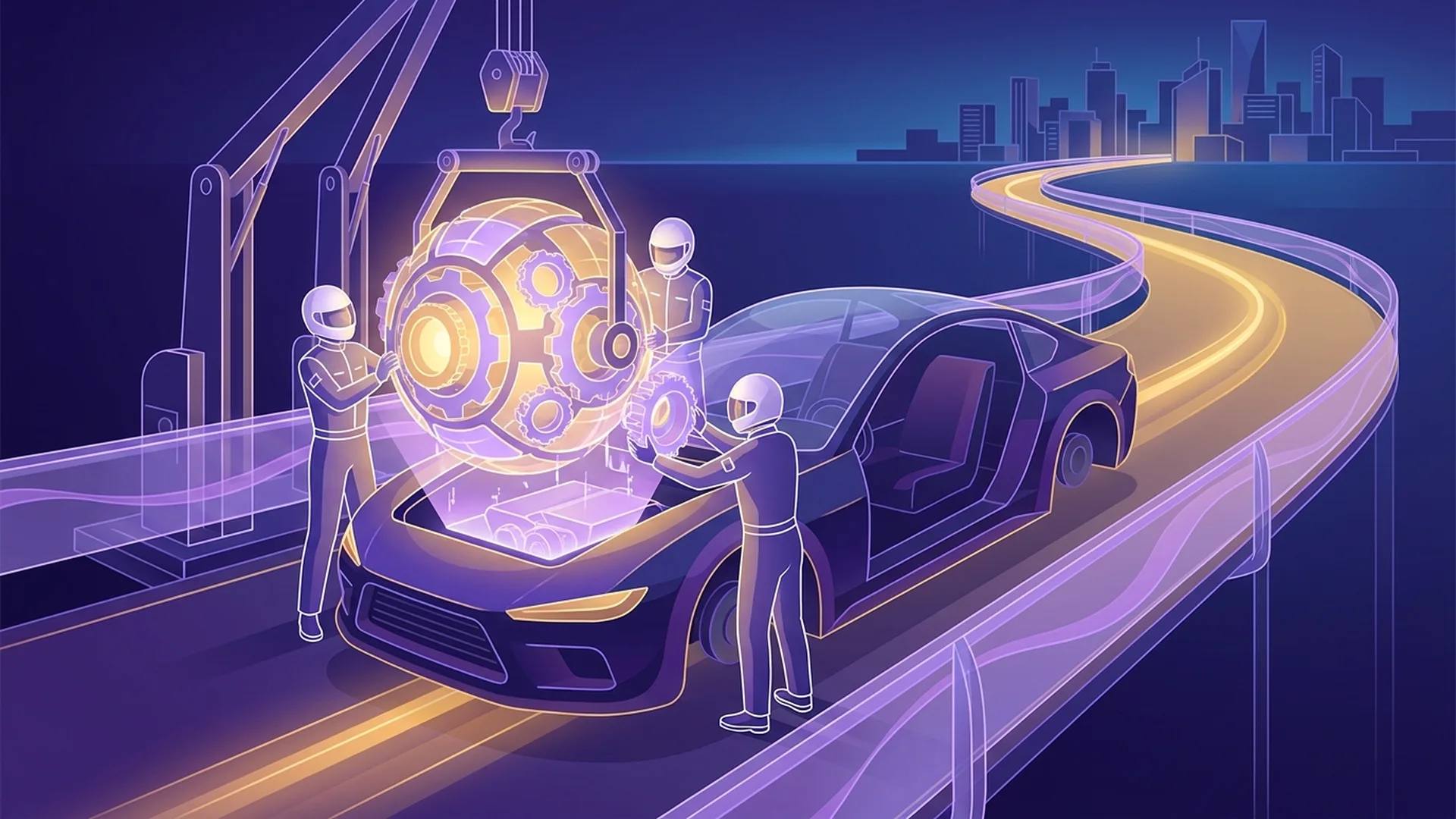
I often tell my team that we don't just deliver a smarter AI. We deliver a workflow that used to take you three hours and now takes AI ten minutes, and one you can confidently let it run. Models like Astra will keep raising the ceiling on that.
The next step is easier than you think
Instead of asking what kind of disruption GPT-6 Astra will bring, I'd suggest a different question: in my company, which task is the most labor-intensive and the best candidate to hand off to AI first?
If nothing comes to mind right away, that's exactly where we can help. You don't need a complete AI strategy up front. Just pick the one bottleneck that hurts the most. The rest, including which model to use, how to connect everything, and how to manage the risk, you can leave to the FDE team.
Book an OakMega FDE consultation. We'll help you pinpoint that bottleneck, assess whether it's worth automating, and give you a path you can start on right away. AI has already moved from “helping you think” to “getting it done for you.” All you have to decide is where to start.
FAQ
What's the biggest difference between GPT-6 Astra and the previous generation?
The biggest difference is whether it takes action on its own. Astra is positioned as a new-generation computer-use model that can actually operate websites, forms, CRMs, and documents, and break down and execute multi-step tasks by itself. In OpenAI's testing on OSWorld 2.0, it matched or beat prior performance while finishing tasks about 47% faster.
What concrete impact does Astra have on CRM users?
OpenAI lists “updating customer records in a CRM” as one of the tasks Astra can perform. CRM could shift from “people operate the CRM, the CRM records data” to “people assign tasks, AI agents operate the CRM.” For example, an agent could automatically review high-value leads, check interaction history, estimate the likelihood to close, and create sales follow-up tasks. That's what Agentic CRM looks like.
With capabilities this powerful, how should businesses manage adoption?
OpenAI rates Astra's cybersecurity capability at the Critical level and built in misalignment monitoring, so the system can pause for confirmation when it judges the agent may have misunderstood an instruction. It also supports mid-turn steering, letting people correct course at any time. The practical approach is to delegate with confidence while keeping clear boundaries, so AI gets the work done within well-defined limits.
What can OakMega's FDE team do for me?
The FDE (Forward Deployed Engineer) team puts execution-ready AI to work in your real workflows: connecting to your CRM, approval rules, brand voice, and repetitive bottlenecks, choosing the right model, wiring up the process, and managing the risk. You don't need a complete AI strategy first. Just pick the bottleneck that hurts the most and leave the rest to the team. Book an FDE consultation with us anytime.
References
- OpenAI — GPT-6 Astra: A new generation of intelligence. https://openai.com/index/gpt-6-astra/
- OpenAI API — Model guidance. https://developers.openai.com/api/docs/guides/latest-model
- OpenAI Developer Community — Introducing GPT-6 Astra. https://community.openai.com/t/introducing-gpt-6-astra-the-most-intelligent-and-aligned-model-in-the-world/1394703
- OpenAI — Release notes. https://openai.com/zh-Hans-CN/products/release-notes/