The No-Code Era Is Here: Why Businesses Are Turning to No-Code Solutions
When a business needs a new system, it traditionally has two options: buy an off-the-shelf product or build its own. Off-the-shelf is cheaper but may not fit perfectly; building in-house costs more but matches every requirement. In recent years, a third option has taken off: Low-Code/No-Code development.
 ILING WuProduct Marketing Manager
When a business needs a new system, it traditionally has two options: buy an off-the-shelf product or build its own. Off-the-shelf solutions cost less but may not fit perfectly. Building in-house costs more but matches every requirement.
In recent years, a third option has taken off: Low-Code/No-Code development. Research firm Gartner forecast that the global Low-Code technology market would reach US$13.8 billion in 2021, up 22.6% from 2020. A Research and Markets report goes further, projecting that the global Low-Code development platform market will hit US$187 billion by 2030.
What Is Low-Code / No-Code?

No-Code means using specific tools to do what traditionally required programming, such as building a form system or an ERP, without writing any code, because the tool has already written the underlying code for you. There's no strict, universally agreed definition yet, so people picture different things when they hear "No-Code tool." What's fairly uncontroversial, though, is that Webflow is a No-Code tool.
A closely related term is "Low-Code": write a small amount of code to achieve what used to take a lot of it.
Why Do Businesses Need Low-Code / No-Code?
The main issue is that engineering talent is harder to find than you'd think. And when employees hit a problem in their daily work and solve it themselves with Low-Code/No-Code tools, they can share the fix with colleagues, roll it out to other departments, and even turn it into a company-wide standard operating procedure.
Here's how Low-Code/No-Code helps businesses move faster:
Technical support – the no-code development platform you use comes with a support team that's ready to help if you have questions or if the platform isn't working properly. Strikingly is one example.
- Technical support: Using a No-Code platform is like having a support team on call. If you have questions or the platform isn't working properly, help is always available. OakMega is one example.
- Faster development: No-Code platforms typically use drag-and-drop interfaces. Coding it yourself requires expertise and the ability to iterate quickly.
- Faster launch: With faster development, you waste less time and can focus on other parts of the business, such as sales and marketing.
- Lower costs: No-Code lets you build an app without hiring developers. With OakMega, you can connect to LINE quickly and launch your marketing plan!
- Easy to modify: No-Code makes it much easier to adjust the interface.
- Built-in templates: No need to spend time designing templates. Choose from a range of text templates, bot templates, and more.
Which No-Code / Low-Code Platforms Are Out There?
1. webflow
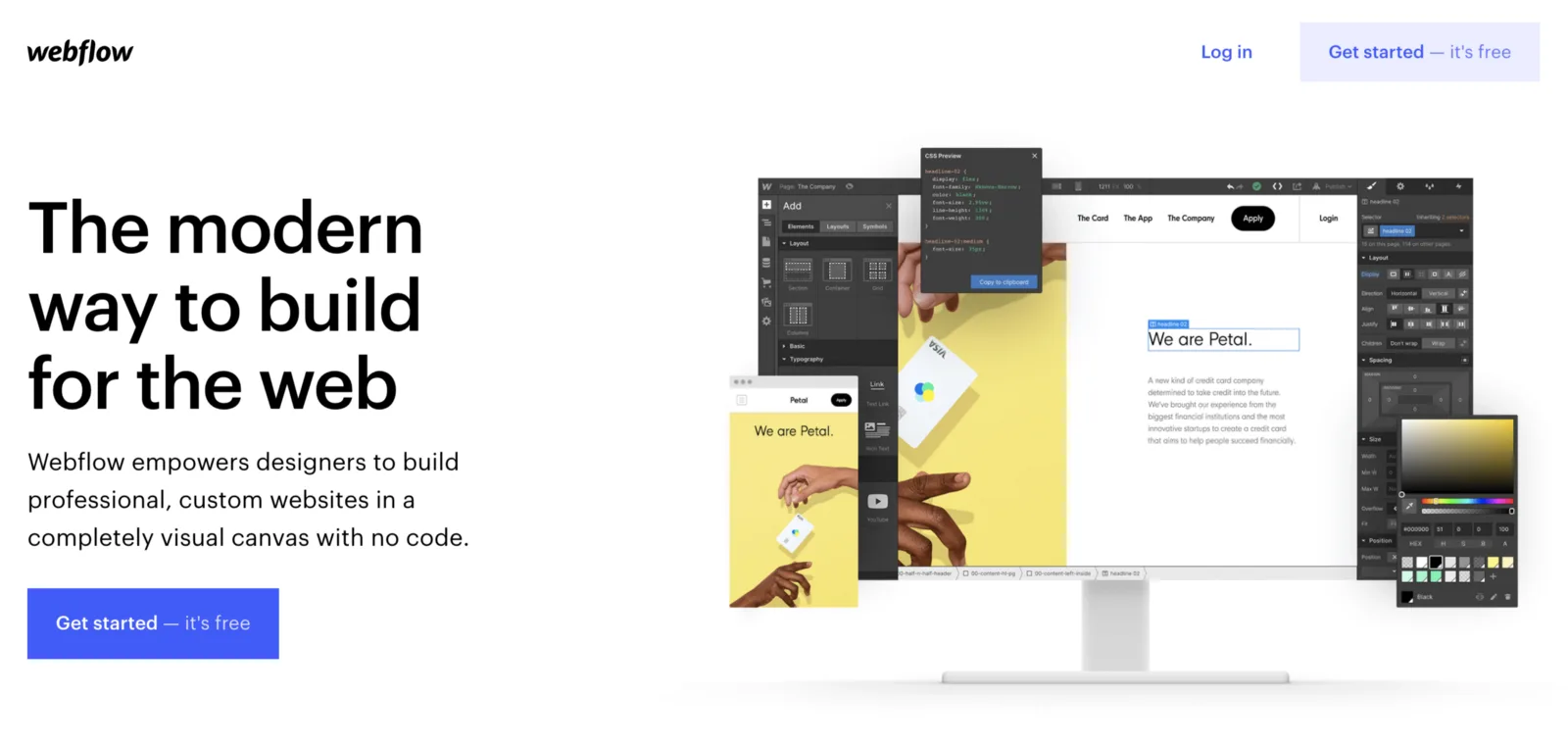
What it does: A No-Code platform for web design and development
▶ Webflow promises that even with zero programming background, you can build a beautiful personal website. It also includes hosting and security, so once you've designed the site you want, you can publish it online right away. The platform is highly flexible: you can configure everything from hyperlink colors to whether images fade or slide in as visitors scroll. Users include Rakuten Super Logistics and Dell's customer experience design team.
2. Airtable
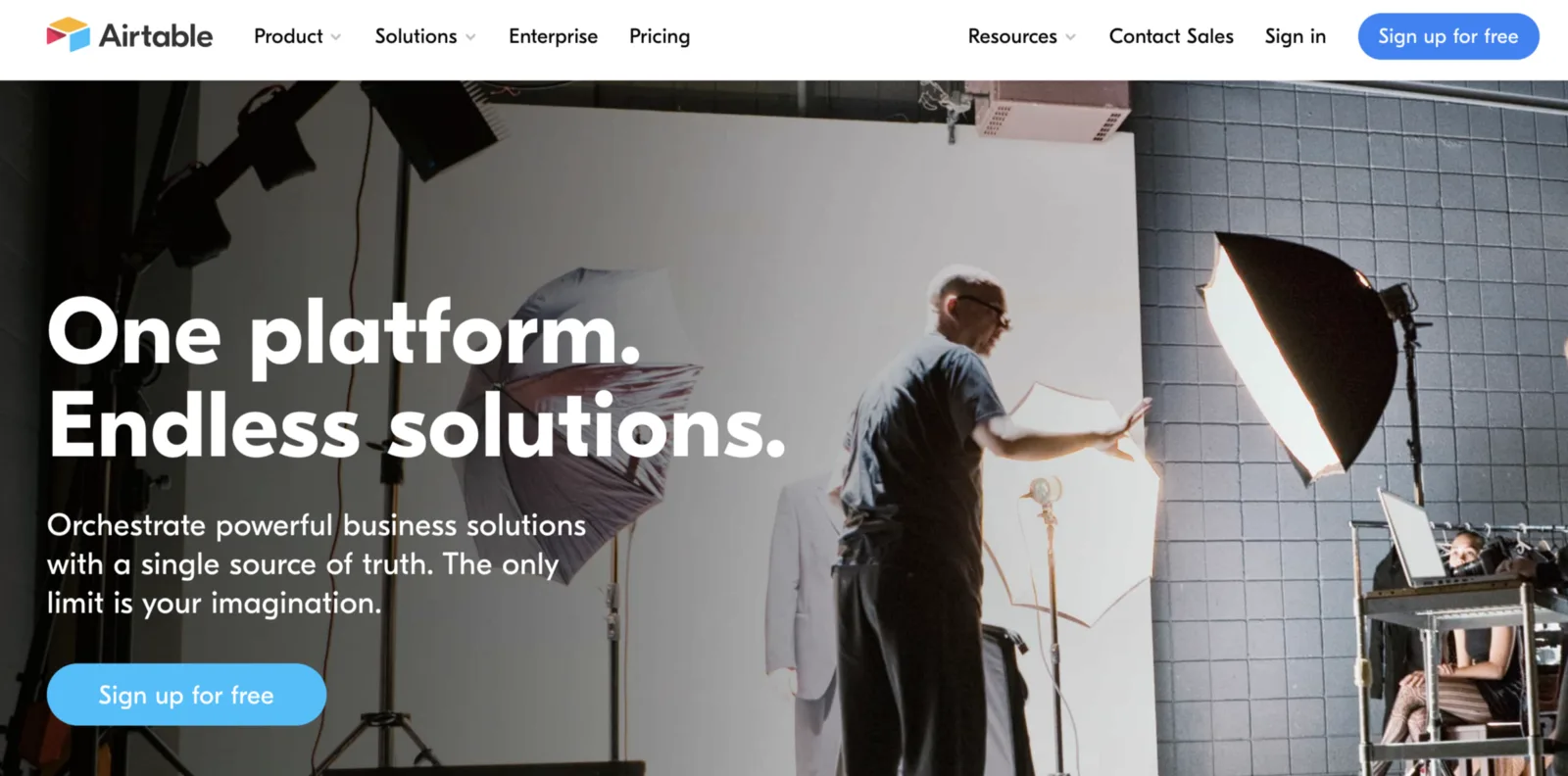
What it does: Spreadsheet and database solutions
▶ Customers include Netflix, Medium, Expedia, and TIME magazine. Take TIME's budget management: the team used to enter data and requests across multiple spreadsheets and struggled to track payment status. After adopting Airtable, every freelancer they work with automatically receives an email with the payment date and a copy of the invoice whenever the payment status changes. No more manually updating budgets and sending reports.
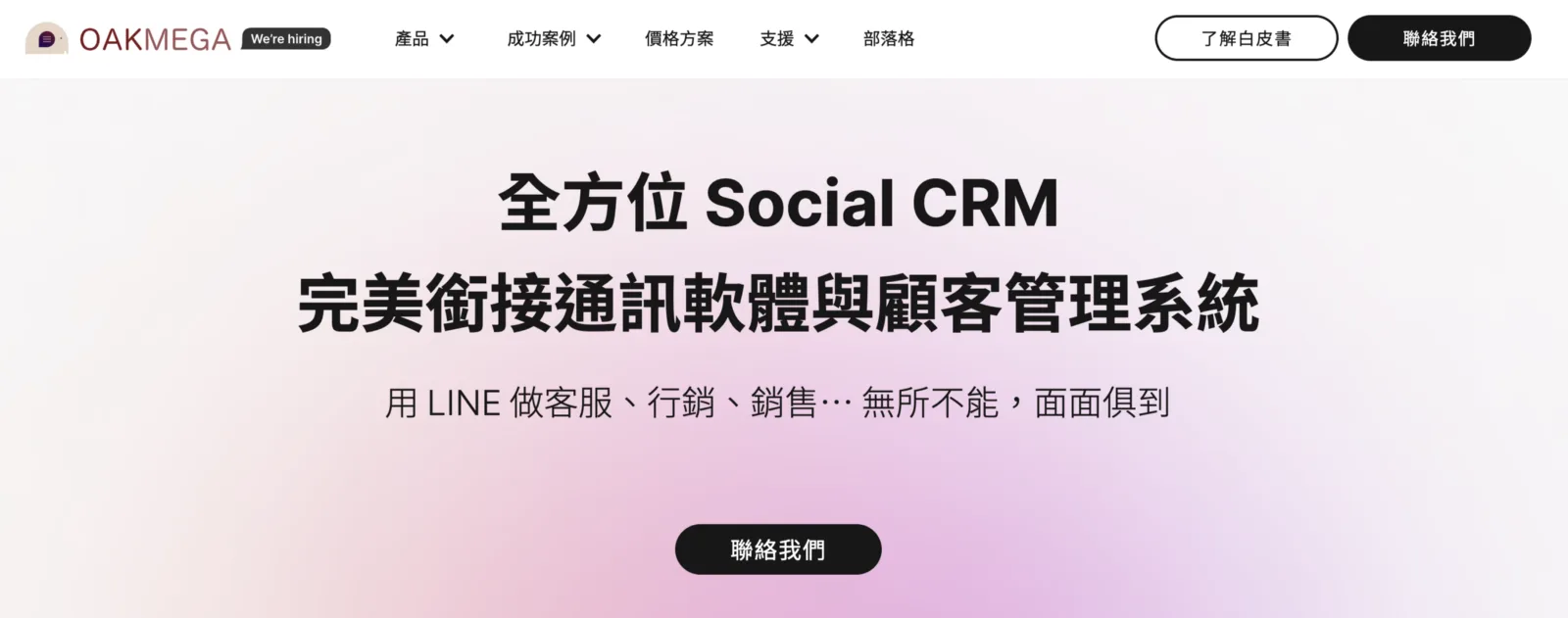
What it does: Connecting messaging apps with customer relationship management
▶ Customers include JS Adways, dentsu X, Huggies, Knives Out, Tesla, and more. OakMega Member Journeys is the ultimate tool for LINE marketing automation. Deeply integrated with LINE, it makes the most of LINE's exclusive formats and interactive features, giving you maximum flexibility and the simplest operation for flawless automated marketing!
—
Conclusion
The No-Code era has arrived. Beyond solving the engineering talent shortage, it also lowers development costs. Entry-level engineering work may gradually be replaced, but senior talent remains in high demand. After all, they're the ones building Low-Code/No-Code tools, so their importance will only grow.
For non-technical workers, whether or not you adopt Low-Code/No-Code tools or call yourself a citizen developer, digital tool skills will become a must-have at work. Companies once had to look specifically for people who could use Office; today that's a basic skill. Are you ready for the new era?