






The MCP Era Is Here: When Enterprise Systems Come “Alive” | CEO Insights
Every enterprise will need MCP to make its existing systems AI-native—able to analyze, decide, and act on their own. In the US, many companies outsource to AI consultants, with Forward Deployed Engineers handling the entire AI upgrade end to end.
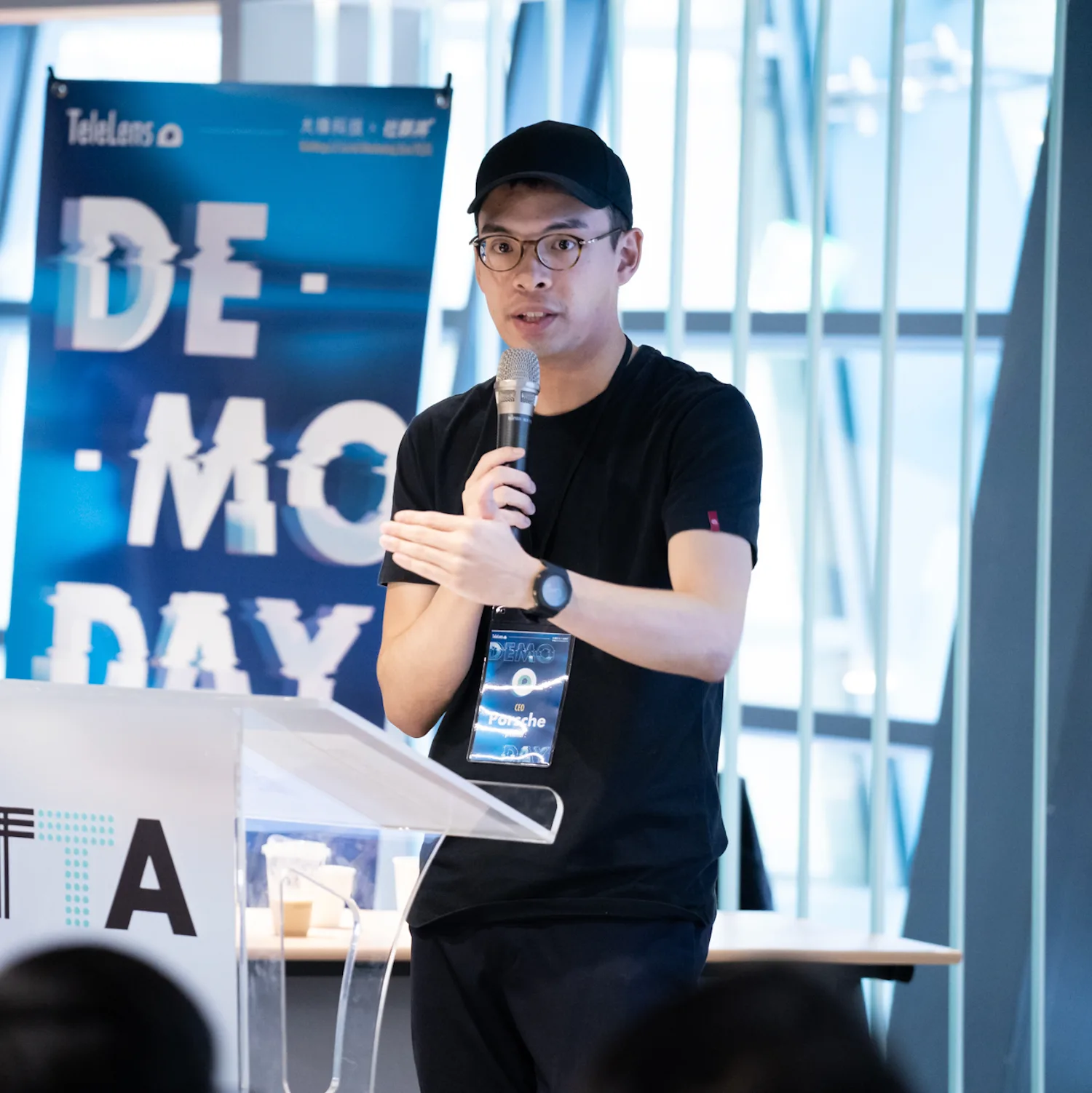 Porsche TsaiCEO
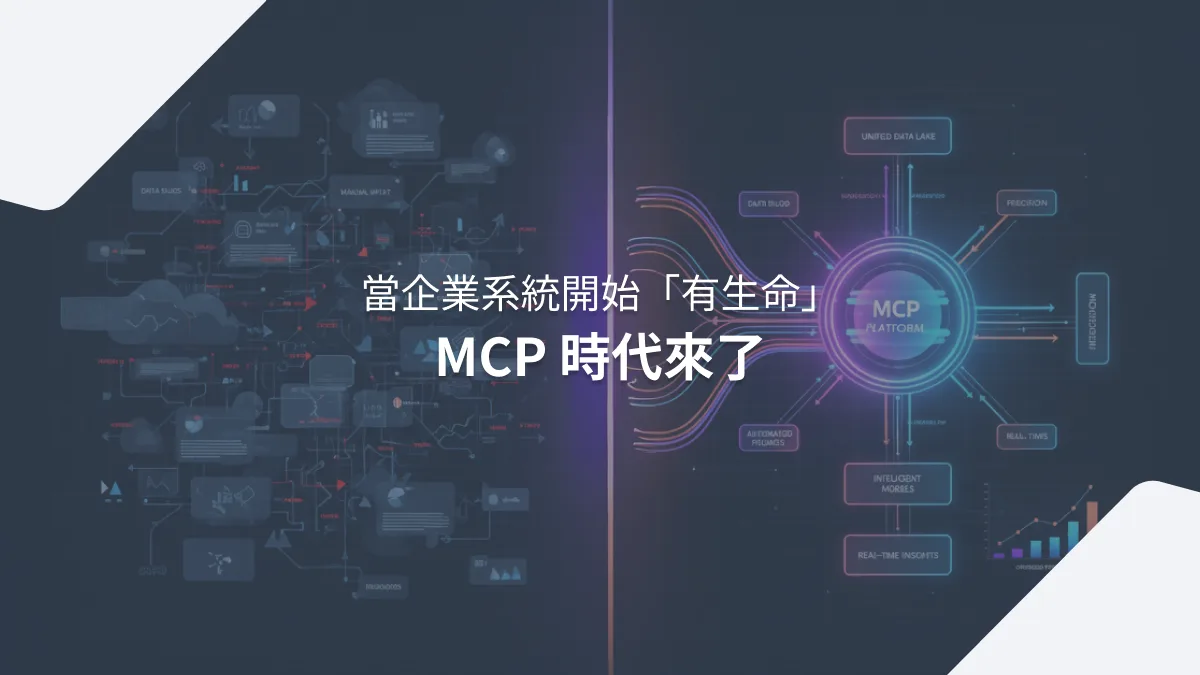
MCP: The Final Piece of the Enterprise AI Puzzle
The AI wave has unleashed a flood of buzzwords, each arriving faster than you can keep up. But now that chips and language models have matured, I promise you this: MCP is the last one you need to know.
In the story of Pinocchio, a wooden puppet is given a life that can think and feel. He's no longer a toy that simply follows orders, but a being that can learn, make choices, make mistakes, and grow. That story maps neatly onto the shift companies are going through today—our systems have long been able to "automate," but they still can't "think for themselves." Now, AI is finally producing that crucial magic wand.
More than a decade ago, when "digitalization" became the rallying cry of business transformation, everyone rushed to adopt ERP, CRM, and APIs so data could flow freely between systems. The core question of that era was "Can information be shared?" Today, AI is redefining how businesses run. In the past, it was about connecting system to system; in the future, it's about collaboration between humans and AI, and between AI and AI. To make that collaboration real, companies need more than data—they need a new "language." That language is MCP (Model Context Protocol).
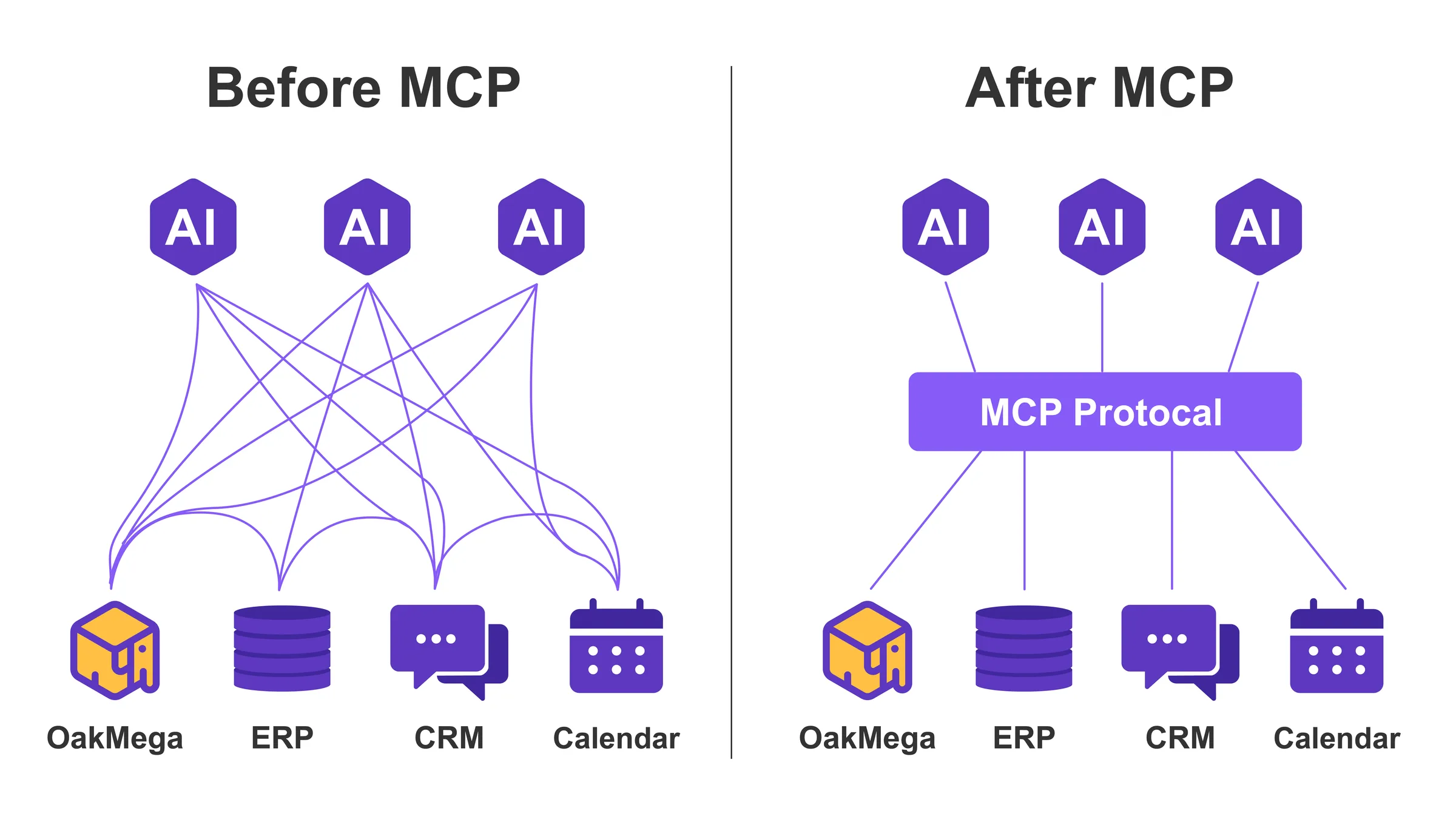
Think of MCP as a company's AI nervous system. It lets the AI models inside a business understand internal data, follow policies, and carry out tasks. In other words, with MCP, AI is no longer just a tool that answers questions—it becomes a team member that proactively gets work done. For businesses, this means an entirely new kind of organization: AI isn't a bolt-on feature, but an intelligent partner that genuinely takes part in decisions and actions.
That said, "standing up MCP" is no easy task. It's not as narrow or purely technical as deploying a model or plugging in an API. The real challenge lies in the company's own structure and logic. First, data has to be clean and well-contextualized so AI can understand it—just as a new hire has to read the operations manual before starting. Second, permissions must be rigorously defined: who can read which data, and which processes AI is allowed to automate. Finally, companies have to redesign their processes, breaking work that once relied on human coordination into steps AI can understand and execute. All three are essential, and that's exactly why an MCP rollout is rarely just an IT project—it's a cross-functional organizational transformation.
AI Experts at Your Door: The Rise of the Forward Deployed Engineer
This is why more and more companies are turning to outside AI consultants, or Forward Deployed Engineers (FDEs), to help them stand up MCP. When a company lacks in-house, cross-disciplinary AI expertise and process know-how, these consultants act as "translators between the business and AI." They don't just understand technology—they understand the business, and can translate a company's processes, policies, and data structures into context an AI model can grasp. An FDE's job isn't to "hook up an API for you"; it's to "hook you up to a brain." They first assess the company's data landscape and security permissions, then build the MCP architecture so AI can access information and execute tasks automatically under secure controls, and finally set up AI Workflows that turn AI from a passive question-answerer into an active executor.
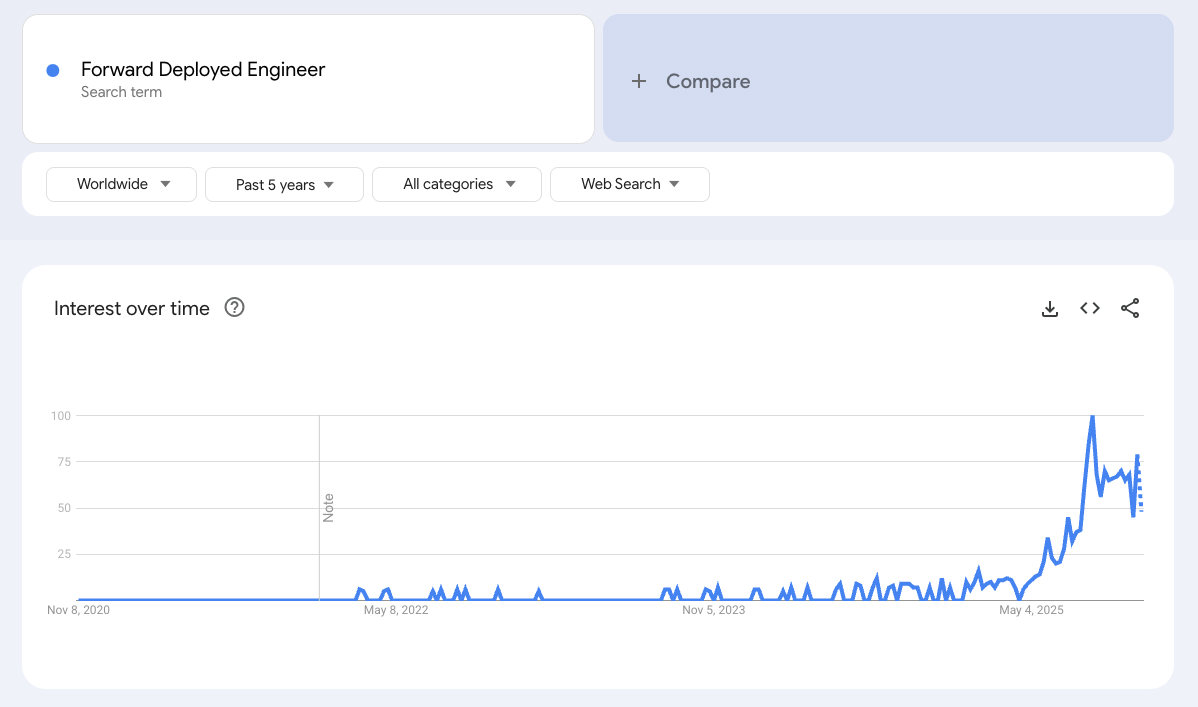
This role is taking off worldwide. AI and data-infrastructure companies such as OpenAI, Anthropic, Palantir, Scale AI, Snowflake, and Databricks have been hiring FDEs aggressively in recent years, with openings in San Francisco, London, Singapore, Tokyo, and beyond. Even traditional industries—manufacturing, healthcare, energy, and finance—are posting similar roles, under titles like "AI Consultant," "AI Workflow Engineer," or "AI Solution Architect." Their shared mission: deploy models into the real world and make sure AI actually works within the context of the business. For large enterprises, FDEs have become the new generation of "digital transformation consultants"—people who understand processes, business, and AI, and can turn the idea of MCP into reality.
MCP Upgrades BI to AI
Take a high-tech manufacturer with massive volumes of production, quality-control, and customer-service data. In the past, that data was scattered across different systems, and analysis and reporting depended on manual consolidation. After adopting MCP, AI consultants helped the company build data interfaces so AI models could read information from ERP, MES, CRM, and other systems through a single protocol—and execute tasks automatically based on context.
For example, when a customer reports a product defect, MCP triggers an AI Workflow: it automatically cross-checks production lot numbers against supply-chain data, generates a preliminary analysis report, and notifies the relevant departments at the same time. If inventory is running low, AI can also issue restocking recommendations automatically. Every morning, management receives an AI-compiled operations summary covering capacity utilization, yield, customer-complaint analysis, and predictive maintenance recommendations. The whole process requires no manual consolidation—AI has become part of operational decision-making.
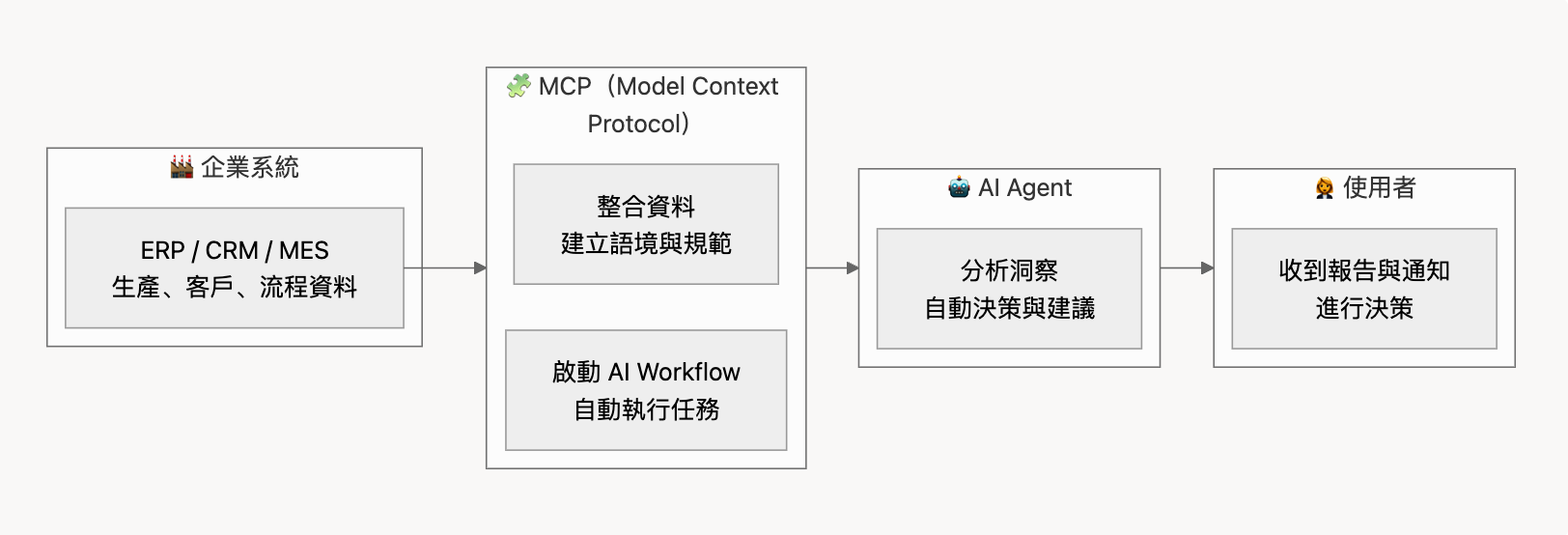
With this architecture, companies don't need to rebuild every system. Instead, MCP establishes a "central context that AI can understand." AI is no longer an external plug-in, but an intelligent partner that understands context within existing processes and proactively carries out tasks. For high-tech manufacturing, this is the real key to moving from the digital factory to the smart factory.
Let Your Systems Come Alive!
If the keyword for the last generation of business transformation was "API," the keyword for this generation is "MCP." APIs let systems talk to each other and solved the problem of data flow; MCP lets humans and AI collaborate, opening up new possibilities for the flow of knowledge and decisions. Once a company has MCP, AI is no longer an outside tool but part of its internal intelligence. It can execute tasks, make recommendations, and even spot problems on its own. This is the watershed between a company that is "digital" and one that is "intelligent." Digitalization lets a company run; intelligence lets it think.
AI is no longer just a tech topic—it's part of the organizational structure. While others are still asking, "What can AI do for me?", companies with MCP already have AI pitching in on its own. This is what the company of the future looks like: it has its own AI nervous system that understands its environment in real time and proactively executes tasks, freeing people to focus on higher-value decisions and creative work.
Just as Pinocchio, once he gained a soul, went from wooden puppet to a child who could think and feel, a company with MCP is no longer a machine driven solely by code and processes—it becomes an intelligent living organism that understands intent and takes initiative. In the last generation, APIs let systems talk. In this generation, MCP makes systems "come alive," so people and AI can truly work side by side.
What do you hope MCP could do for your company? Tell me in the comments.