






AI Agents Are Now Affordable for Everyone. So Why Do Enterprise Rollouts Still Fail? | CEO Insights
Claude Sonnet 5's price cut is erasing the AI capability barrier, but the gap between AI and real business workflows hasn't moved. OakMega's FDE service is already helping Taiwanese companies weld AI into their LINE customer communication. Here's why the tool isn't the point — implementation is.
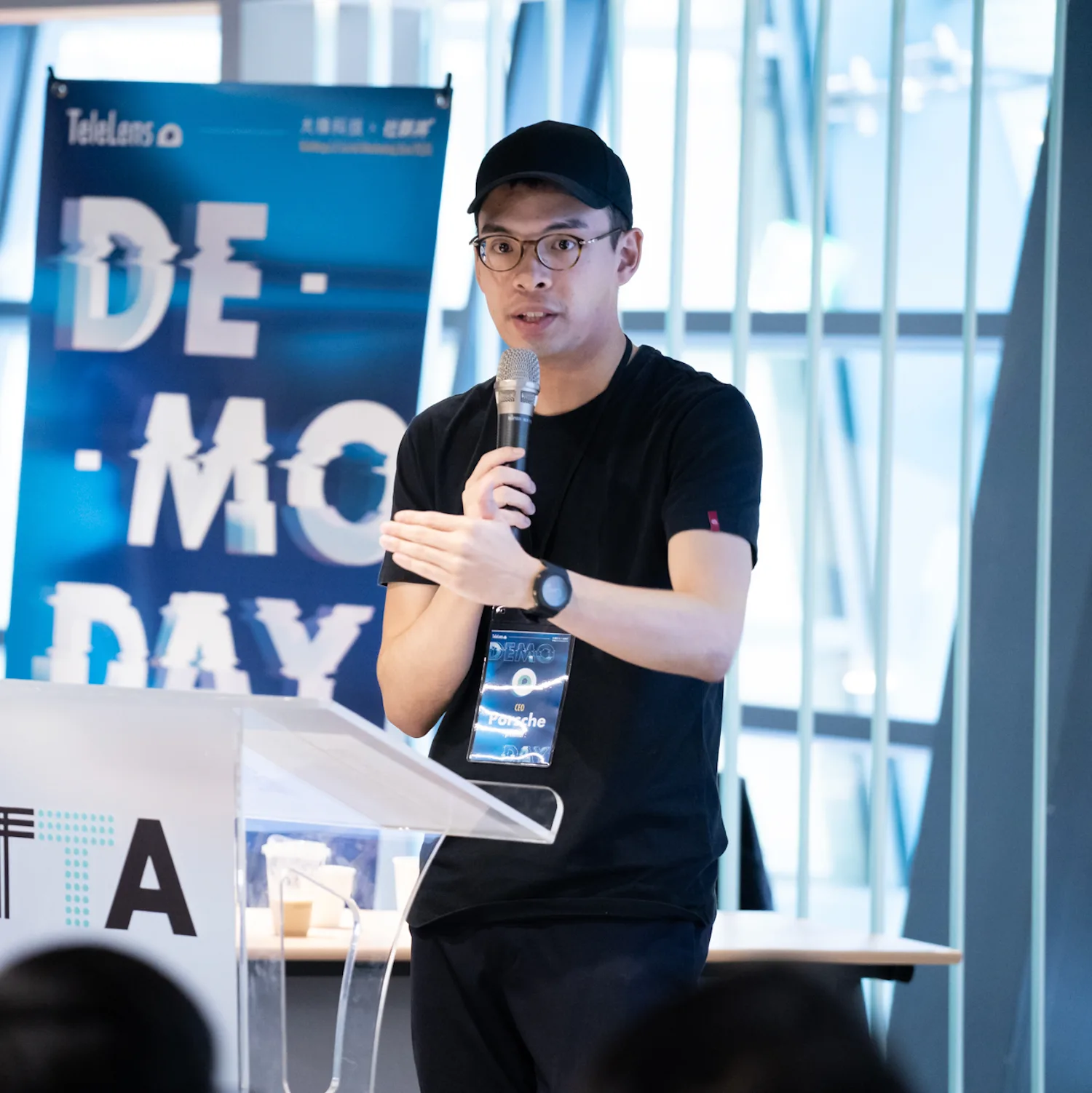 Porsche TsaiCEO

On June 30, Anthropic released Claude Sonnet 5. It performs close to the flagship Opus 4.8, costs just US$2 per million input tokens, and can plan, break down, and execute multi-step tasks on its own, with no one watching every step. A day earlier (June 29), the State of California announced a deal with Anthropic that lets every state agency use Claude at half price — the first statewide AI tool license in U.S. government procurement history.
That means one thing: for the first time, AI that can carry out tasks on its own is hitting the market at a price everyone can afford. For the past year, whenever companies talked about adopting AI, the excuse was always "the models aren't good enough" or "it's too expensive." Neither holds up anymore. The only question left is: once you have it, then what?
Contents
- Using AI is not the same as plugging it into your workflow: most companies run siloed systems
- Three ways companies adopt AI: an all-in-one platform, wiring up a model yourself, or bringing in an FDE
- The real difference isn't the tool — it's who can plug AI into your daily operations
- FAQ
Using AI is not the same as plugging it into your workflow: most companies run siloed systems
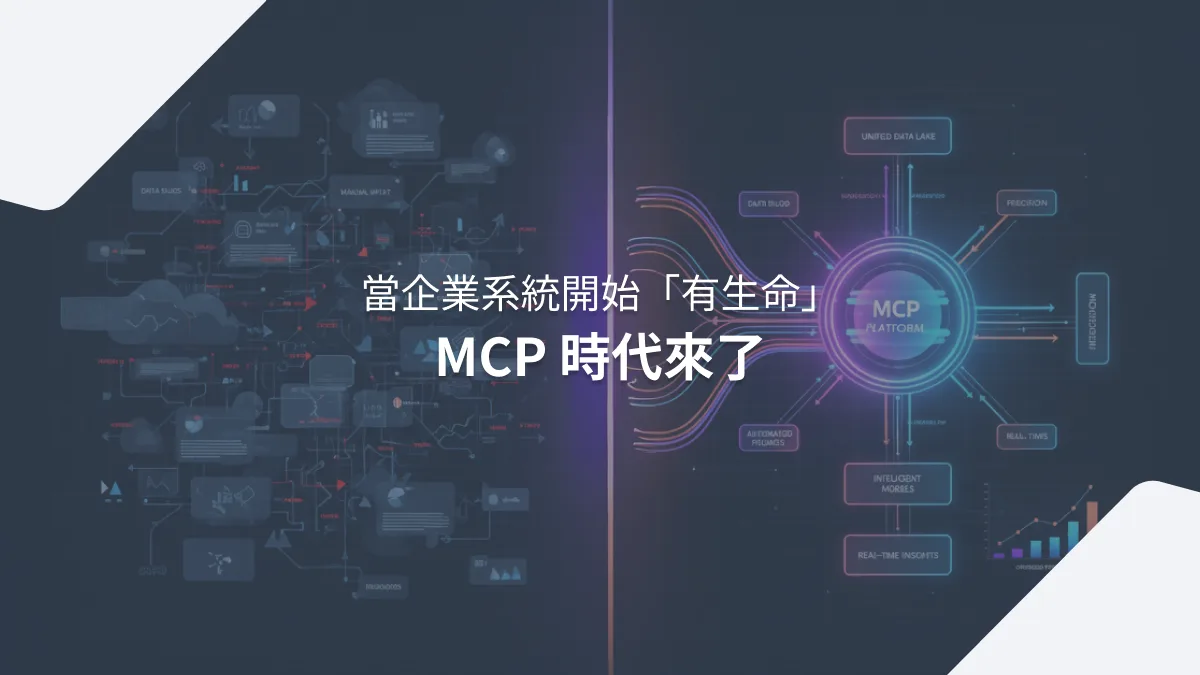
Let me put it bluntly: the barrier to AI capability is collapsing, but the barrier to plugging AI into real workflows has barely budged. No matter how smart a model is, it won't magically know which system holds your customer data, what your customer service SOPs look like, or how your LINE OA friend tags are structured. Marketing buys an AI copywriting tool, customer service installs a separate AI response system, and sales uses yet another third-party tool to qualify leads — three systems, each running on its own, with no shared data. Nobody can say what path a customer actually takes from adding you as a friend to asking questions, buying, and coming back for more. That gap is what's really holding companies back in 2026. It isn't a lack of capability; it's that nobody has welded AI into the business.
 AI agents are getting cheaper fast, but what companies really need is a bridge between AI and the way they actually work.
Three ways companies adopt AI: an all-in-one platform, wiring up a model yourself, or bringing in an FDE
When AI is ready but you don't know how to connect it, the market offers roughly three paths, each with its own cost. Buy an off-the-shelf platform, and you get logic someone else designed. Wire up an AI model yourself, and you get half the answer — the rest is on you. Bring in an FDE, and you get results that actually run. That last option is the service OakMega is delivering today, with customers already live. Here's how the three compare:
The real difference isn't the tool — it's who can plug AI into your daily operations
Claude Sonnet 5 proves one thing: the AI capability barrier is disappearing fast. But let me be even more direct — widespread capability has never meant successful implementation. One does not follow from the other. In 2026, a company's real competitive edge won't come from which model it uses. It will come from who can actually weld that model into the customer communication workflows you use every day. I plan to keep repeating that until everyone is sick of hearing it.
That's exactly the problem OakMega has spent years on, and what our FDE service is solving right now. We don't build yet another platform you have to learn from scratch. We bring engineering capability straight to your side, so AI stops being a line item on a purchase list and becomes part of your daily conversations with customers, running inside your LINE Official Account.
Relationships first, tools second. AI only counts once it's actually up and running. That's not a slogan. After watching so many companies buy AI and fail to put it to work, it's the only conclusion I'm willing to stand behind.
If your company is stuck at the "we bought AI but can't connect it to our workflows" stage, let's talk. Our FDE team will come in and weld AI into the customer communication workflows you use every day.
 An FDE doesn't just hand out advice. They work on-site, integrating AI with your existing systems, data, and workflows to shorten the distance from rollout to real value.
FAQ
Q1: Does Claude Sonnet 5's price cut mean companies can skip the cost of adopting AI?
What's getting cheaper is the cost of using the model itself, not the cost of implementation. The real money usually goes into connecting AI to existing systems, unifying data, and redesigning workflows — and that doesn't disappear just because tokens got cheaper.
Q2: If a small or mid-sized business has no engineering team, is AI simply not for them?
It's not that AI isn't for them; it's that figuring it out from scratch on their own isn't. Without in-house engineers, bringing in an experienced team to handle integration is usually more cost-effective than forcing a DIY build, and it delivers results faster.
Q3: How is an FDE different from a typical AI consultant?
Consultants usually deliver recommendations and documents; execution still falls on your own team. An FDE puts engineers on-site who connect AI to your systems with their own hands. What you get isn't a report — it's a workflow that actually runs.
Q4: What is an FDE (Forward Deployed Engineer)?
An FDE is an engineer deployed on the front line: someone who works directly with the client to connect AI capabilities to existing systems and workflows, rather than just handing over tools or API documentation and leaving the client to figure out integration alone.
References
- Anthropic, “Introducing Claude Sonnet 5,” June 30, 2026
- TechCrunch, “Anthropic launches Claude Sonnet 5 as a cheaper way to run agents,” June 30, 2026
- BlockTempo, “California announces partnership with Anthropic: state agencies can use Claude at half price” (in Chinese), June 2026
- TechCrunch, “Anthropic and Gov. Newsom forge deal allowing California government to use Claude at half price,” June 29, 2026