Social Media Isn’t Social Anymore: How to Grow Traffic Steadily in the Age of Interest Media | CEO Insight
Ten years ago, running a brand on Facebook and Instagram was simple. You posted, most of your followers saw it, engagement came naturally, and the value of social was connection. Today that logic has all but collapsed. I follow more than a dozen accounts, yet often go a whole day without seeing anything from them. Instead, I get algorithm-picked short videos and trending topics.
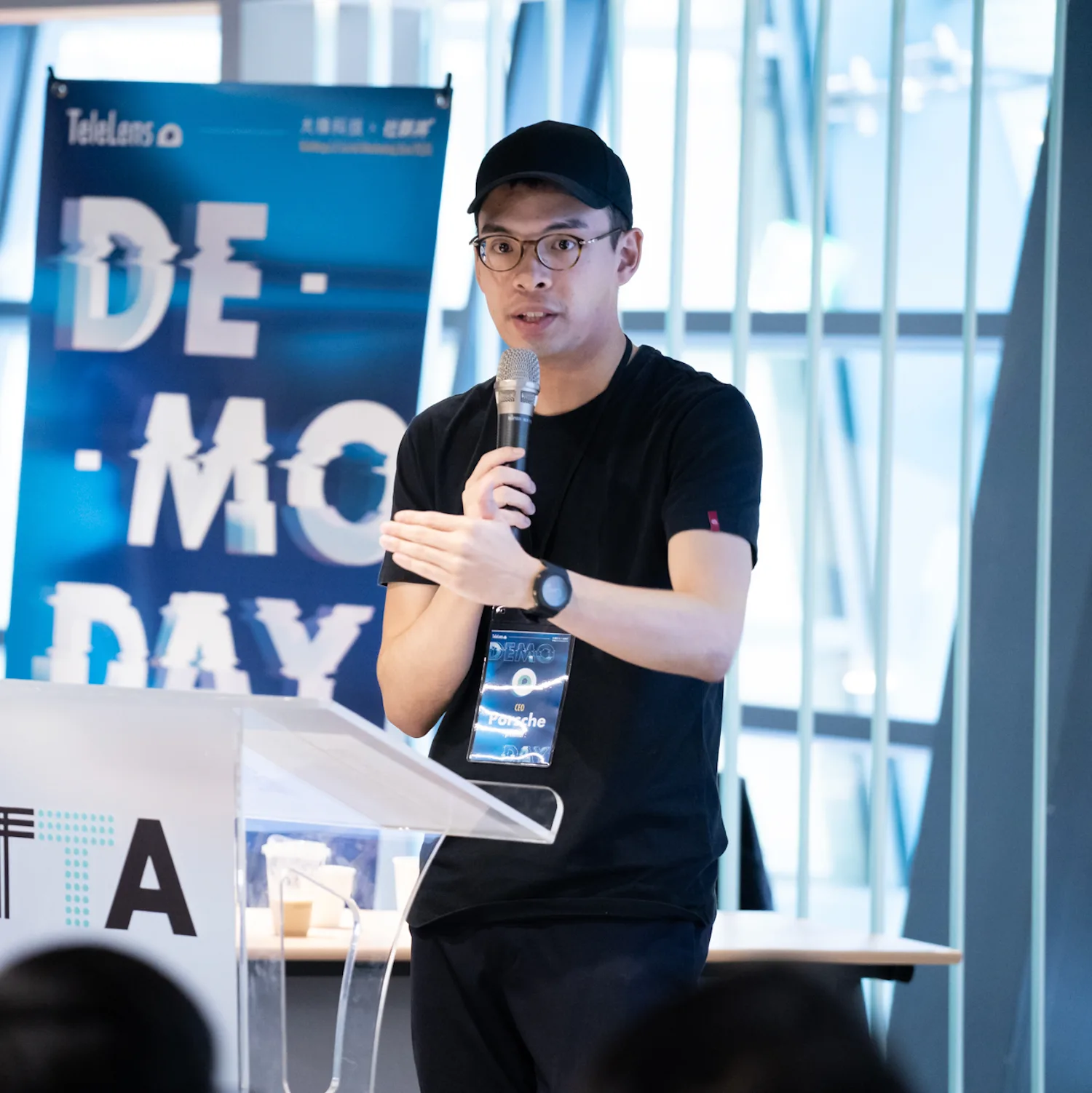 Porsche TsaiCEO

The algorithm took the “social” out of social media
Gary Vaynerchuk (Gary Vee) is an entrepreneur and marketing advisor I’ve followed for years. In a recent talk, he put it this way: “Social media isn’t social anymore. It’s interest media.”
That line nails how today’s algorithms work. Open any social app and you no longer see what your friends are up to. You see whatever the algorithm thinks “you might be interested in.” And that shift affects brands far more deeply than most people realize.
Social platforms have changed at the core
Ten years ago, running a brand on Facebook and Instagram was fairly simple. You posted, most of your followers saw it, engagement came naturally, and the value of social was connection.
Today that logic has all but collapsed. I follow more than a dozen accounts, yet I often go a whole day without seeing anything from them. Instead, I get algorithm-picked short videos and trending topics.
Research shows organic reach for Facebook brand pages has generally fallen below 5%, and Instagram and TikTok run almost entirely on recommendations. What platforms want isn’t to keep you connected to people. It’s to keep you on the app longer.
Gary Vee’s point is a wake-up call: social isn’t social anymore, it’s interest. Brands still playing by the old rules will end up held hostage by the algorithm.
The most dangerous trap for brands
In this environment, the challenges brands face are very concrete:
- Reach is in free fall
People follow you, but that doesn’t mean they see you. The algorithm has become the biggest “gatekeeper” brands have to get past. - Traffic burns out fast
I’ve seen plenty of brands go viral once and get a burst of attention, only for the buzz to fade in a few days and leave nothing behind. - You lose control
The platform makes the rules, and brands can only go along with them. One algorithm change and your relationship with customers can vanish overnight.
I often tell clients: The real risk isn’t that you’re not doing well enough. It’s that you’ve handed your customer relationships to an algorithm.
4 ways to break free from the algorithm
1. Tap into culture and current events
Algorithms love content that’s fun and trending, so brands need to keep pace with culture and the news cycle.
Take Domino’s Pizza Taiwan during the 2023 World Baseball Classic. The marketing team moved incredibly fast:
They turned their logo into a pair of dice showing “double sixes,” a nod to the fans’ idea of “rolling a win.” They also launched limited-edition pizza boxes and promotions, backed by social campaigns, and successfully channeled baseball fans’ excitement into the brand.
What stood out to me wasn’t the exposure itself. It was how the brand used creativity and speed to write itself into the culture around the tournament, a skill many companies lack. Don’t just chase traffic. Ask whether the topic has a natural connection to your brand.
2. Build your own member pool
I’ve seen plenty of companies spend heavily on traffic, only to end up with no lasting contact list and nothing to show for it.
My approach: always capture traffic into a member pool.
With Social CRM, you can bring together touchpoints such as LINE, website forms, and event sign-ups into one list your brand truly owns.
That way, no matter how the algorithm changes, you can still talk to customers directly. This is the key to turning “public traffic” into “private members.”
3. Turn short-lived virality into long-term assets
I’m not worried about traffic going up and down. That’s just how social works. What really worries me is traffic that comes in and doesn’t stick. The real risk isn’t too little traffic. It’s new contacts coming in with no follow-up engagement, so all of it becomes sunk cost.
Domino’s in the US pulled off a great win-win strategy:
Domino’s partnered with MLB on a campaign: whenever a game ended in a no-hitter, fans could claim a free pizza. But to redeem it, they had to log in to the Domino’s platform.
The clever part wasn’t the free-pizza hook. It was turning the short-term buzz of a single game into long-term member data. Domino’s could then keep reaching those fans through email, app push notifications, and retargeting. It’s a textbook example of turning traffic into an asset instead of a sunk cost.
4. Keep members active
I often see companies with tens of thousands of contacts in their member database, yet fewer than one in ten is active. At that point, the list is just dead data that creates no real value.
The fix is actually simple: design ongoing engagement that keeps members active. For example, send exclusive offers through LINE, give VIPs personalized recommendations, or use member data to build lookalike audiences for ads.
Only when members keep responding does that list become a real source of revenue.
Find people in public, keep them in private
I fully agree with Gary Vee: social has shifted from social to interest.
The biggest mistake brands make is sticking to the old playbook, assuming that as long as people follow them, the relationship will last. The truth is that the algorithm cares about the platform’s interests, not the brand’s.
So we should find people on public platforms and keep them in private channels. Social will remain the entry point for traffic, but it won’t be where relationships are built.
If brands don’t turn traffic into members, they’ll stay stuck in an anxious cycle of “viral today, throttled tomorrow.” Only when a brand owns its member pool and keeps engaging those members can it build a long-term, predictable growth engine.
Growth that doesn’t depend on the algorithm
Social is just the starting point. Members are the asset. I don’t want to see brands passively relying on algorithms and walking away without a usable contact list.
With our Social CRM service, we want to help companies consolidate engagement data scattered across platforms into a member pool they can broadcast to, segment, and retarget.
That way, a brand’s customer relationships are no longer at the mercy of the algorithm. They’re in the brand’s own hands.
If you’d like to learn how Social CRM can help your brand, let’s talk.