



From “Chinese Monster” to Brand Building: Traffic Is Just the Start, Members Are the Asset | CEO Insight
“Chinese Monster” has become a full-blown phenomenon in Taiwan. As a CEO who has tracked digital and social trends for years, what interests me most isn’t the entertainment value — it’s the community-building logic behind it.
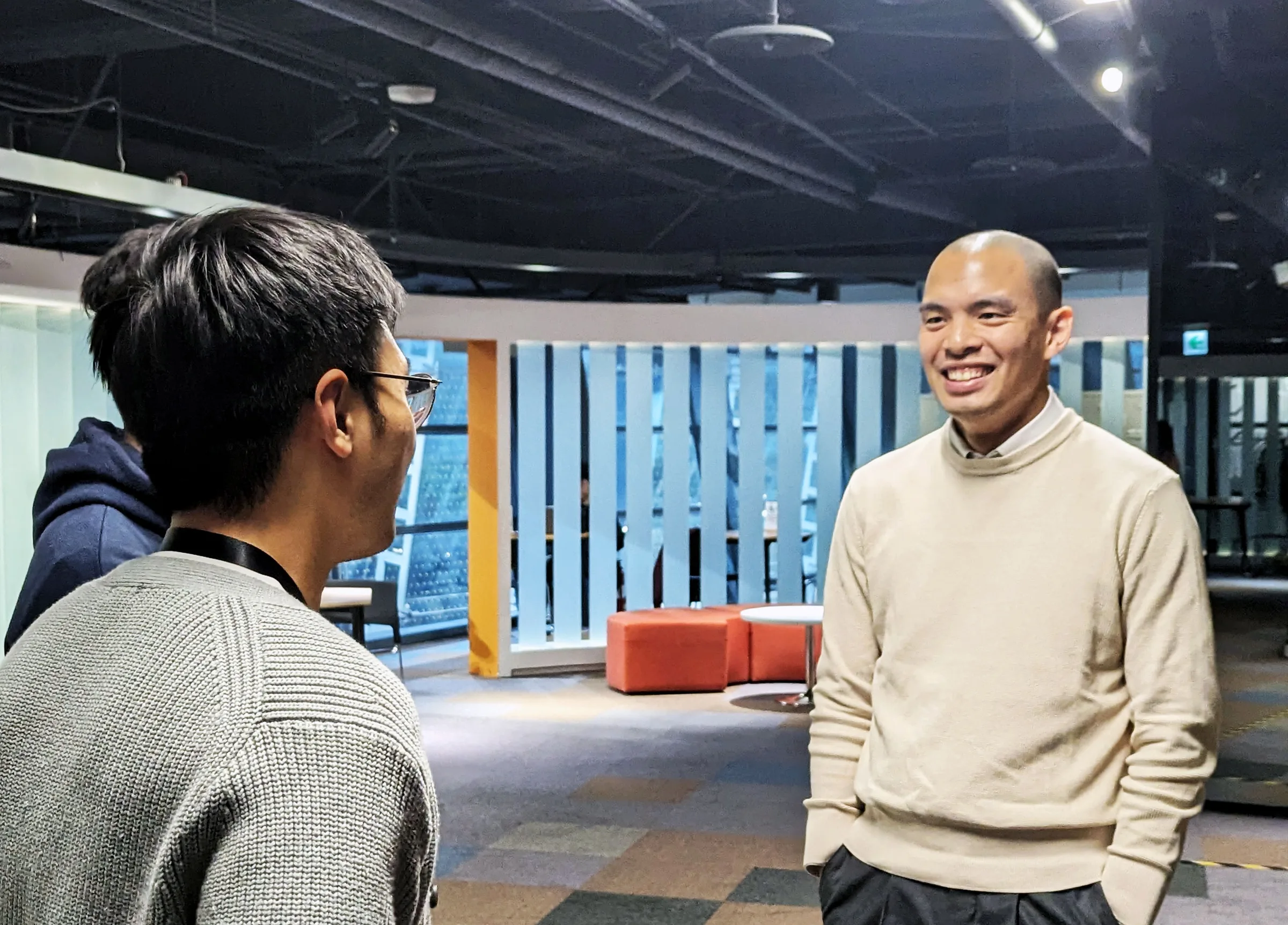
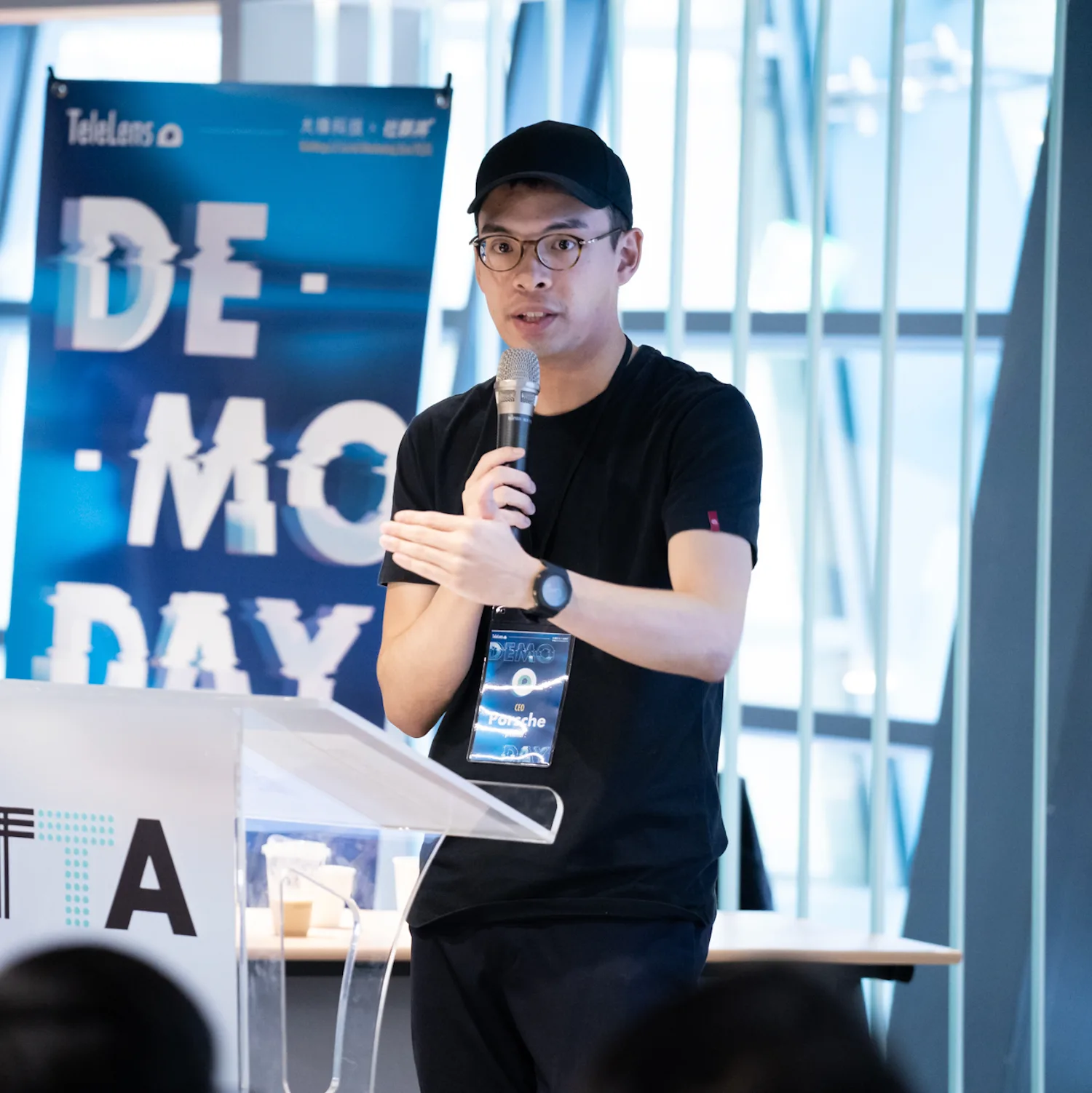 Porsche TsaiCEO

The Phenomenal Success of “Chinese Monster”
“Chinese Monster” has become a full-blown phenomenon in Taiwan. As a CEO who has tracked digital and social trends for years, what interests me most isn’t the entertainment value — it’s the community-building logic behind it.
The show makes one thing clear: in an age of endless traffic, success doesn’t hinge on exposure. It hinges on turning viewers into participants. That is exactly the lesson brands most need to learn.
Platforming and the Power of Authenticity
Created by Ku, a French host based in Taiwan, “Chinese Monster” brings together a hundred foreign contestants to compete in Mandarin. It isn’t just a language contest — it’s a stage for cross-cultural exchange.
I see three key reasons it sparked so much conversation:
- The host: Ku has lived in Taiwan for years and genuinely understands and respects local culture. He isn’t a passerby; he’s someone audiences trust.
- A different show format: Unlike traditional star-driven variety shows, the guests on “Chinese Monster” might be engineers, students or backpackers — people much closer to viewers’ everyday lives.
- A community built over time: The channel has long focused on three themes — “Mandarin, Taiwan and foreigners” — steadily growing a loyal, interest-based audience. When the show launched, that core audience immediately drove discussion and sharing, which triggered news coverage and fan-made content and snowballed into a phenomenon.
Together, these elements are the core engine behind the show’s explosive buzz.
The Risks Beneath the Hype
But the internet is a double-edged sword, and fame brings its own challenges. From a CEO’s perspective, “Chinese Monster” faces at least three structural risks:
- Community bottlenecks
Going viral gathers traffic fast, but each guest’s fan base is separate. Without a way for these circles to connect, the buzz turns into conflict and goodwill becomes hard to sustain. - Eroding authenticity
Audiences care whether content is fun and genuine, but they also question the motives behind it. If the show is seen as merely cashing in on “love for Taiwan” sentiment, the goodwill it has built will vanish quickly. - Pressure to sustain
Novelty is a first-season advantage. To keep the momentum, the show must keep reinventing itself — and, more importantly, nurture the fans it won in season one. Without a membership strategy, the hype will never turn into long-term support.
These three challenges are a reminder: traffic is only the surface. Connection, authenticity and long-term mechanisms are what decide how far a brand can go.
Four Lessons for Brands
Lesson 1: Make Your Guests the Stars
One key design choice stands out to me: the camera mostly stays on the contestants, not the host. Viewers see real people and real stories, not over-polished personas.
For me, that’s an important reminder for brand building. We shouldn’t always put ourselves center stage; we should let users and partners be the protagonists of the story. The closer the story is to the audience, the warmer the brand feels.
I’d go further: this will become a basic marketing strategy. Instead of constantly talking up your own value, build a stage and invite customers onto it to speak for your brand.
Lesson 2: Build a Cross-Community “Universe”
Here’s another interesting point: “Chinese Monster” works a bit like the Avengers. Different characters arrive with their own fans, yet they all meet in a shared universe.
If a brand wants to truly break out and reach audiences in different interest circles, it can’t just force unrelated brands together. It needs a higher-level core narrative — such as “foreigners living in Taiwan.”
When different groups find common ground with each other, a brand not only expands its reach but also creates a lifestyle community of its own. I believe the key to future brand partnerships isn’t the one-off buzz of a collab, but whether you can build a lasting narrative space where audiences from different circles want to stay engaged.
Lesson 3: Turn Traffic into Member Assets
No matter how high the view count, if it can’t settle into ongoing engagement, it’s just a flash in the pan. This is the core problem many brands overlook.
If I were designing it, I’d give standout contestants tools to manage their fans — a Social CRM platform such as OakMega or HubSpot. With these tools, they could build fan lists and run votes, card draws or fan-support campaigns to deepen engagement. The platform, meanwhile, keeps ownership of the data, so future sponsorships and product development can all build on that foundation.
Most importantly, traffic has no value on its own unless it becomes a member relationship you can keep nurturing. Brands need to turn “one-time views” into “long-term engagement.” Only then does it truly add up to an asset.
Lesson 4: Stay Authentic While Monetizing
I’m not against monetization — it’s the only way to scale. The challenge is staying authentic as you grow.
If a partnership is just a forced product placement, audiences quickly tune out. But when you co-create through challenges that genuinely involve people, commercial value emerges naturally. Take A-Tsung’s taro pastries in episode two: the brand interacted with contestants in the “second chance” segment, stirring emotion while boosting brand affinity and recall.
So even advertising must leave room for real reactions, showing people not a flawless package but genuine humanity. Only then does monetization amplify a show’s influence instead of diluting its appeal.
Try “Tone Monster,” OakMega’s online challenge built with Social CRM
From Viral Hit to Long-Term Growth
To me, the success of “Chinese Monster” isn’t just about a hit show — it’s community building in miniature. It highlights three essentials:
- Platforming: When a brand steps back and gives the stage to users or customers, their sense of involvement naturally grows.
- Cross-community integration: You need a shared theme that lets different circles interact in the same space instead of talking past each other.
- Membership management: The real value isn’t view count, but whether you can turn traffic into member assets you can mobilize over the long run.
Looking ahead, brand competition will shift in three ways:
- From advertising to community: Exposure alone is no longer enough; driving engagement and retention is what matters.
- From traffic to members: One-off buzz doesn’t last. Only by turning data into member assets can you build a lasting edge.
- From marketing to co-creation: Customers are no longer content to receive passively. They want to participate, co-star and even contribute value.
So my conclusion is simple: traffic is just the start; members are the asset. This applies not only to a TV show, but is a rule every brand must face in the age of intelligence.
Traffic Fades, Members Stay
At OakMega, we’ve always focused on one thing: building the best Social CRM tools.
I believe traffic is never the finish line — it’s where member management begins. What sustains a brand over the long haul isn’t fleeting buzz, but the member relationships that stick. Our role is to help brands turn one-time traffic into long-term assets:
- Turn touchpoint behavior into segment data through LINE Official Accounts, forms and automated journeys.
- Help brands with tagging and engagement design so customers can take part at every step.
- Ultimately turn member data into measurable, trackable business results.
If you’re wondering how to keep your campaigns from fading fast and instead build lasting competitiveness, get in touch with OakMega. Because in this era, traffic fades, but members stay.