



The Essential CRM Glossary: Key Terms and Concepts for Building Customer Relationships
For businesses, CRM is more than adopting a piece of software. It reshapes how companies sell to customers and can even transform the whole organization. This article gives you a quick grounding in the basic types of CRM, then moves on to related marketing and sales terms, so you can master the essential concepts and start building lasting customer relationships.
 Howard HuangMarketing Specialist
Have you heard of CRM (customer relationship management)? Have you noticed more and more companies investing in CRM tools to manage their customer relationships? And how is CRM different from Social CRM?
For businesses, CRM is more than adopting a piece of software. It reshapes how companies sell to customers and can even transform the whole organization. This article gives you a quick grounding in the basic types of CRM, then moves on to related marketing and sales terms, so you can master the essential concepts and start building lasting customer relationships.
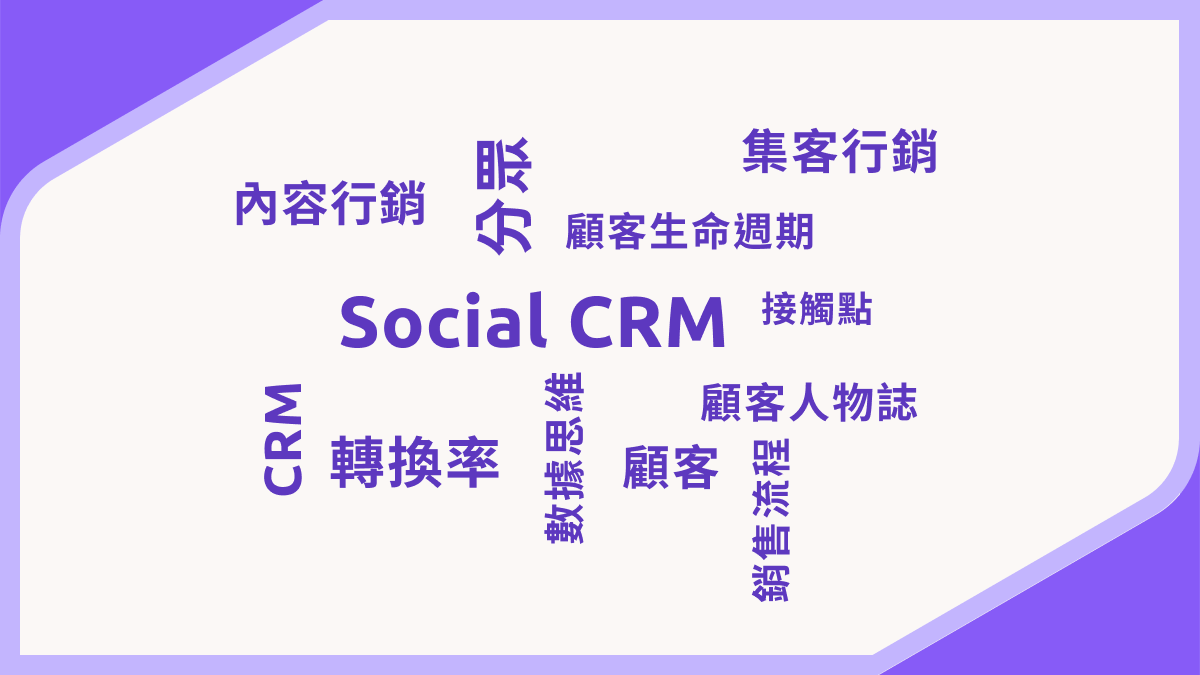
The Essential CRM Glossary | The Basics
1. CRM (Customer Relationship Management)
CRM stands for Customer Relationship Management. With CRM tools, companies can consolidate customer data and view it in real time, maintain customer relationships digitally, and in turn boost their chances of hitting sales targets.
CRM can streamline the entire sales process: automatically collecting first-party data on prospects from every marketing channel, updating customer information from different sales reps in real time, and consolidating post-sales support issues as they come in. It also lets teams collaborate on and edit the CRM together, extending engagement with customers at every lifecycle stage and increasing loyalty.
2. Social CRM
Social CRM can be understood as an extension of CRM. As social platforms and messaging apps keep evolving and mobile devices grow more powerful, our behavior has become increasingly fragmented, making it hard for traditional CRM tools to capture data at the very front line of customer interactions.
Social CRM helps companies solve the problem of fragmented customer behavior. By integrating with social platforms and messaging apps, it collects data automatically, and it can sync that data back to existing CRM databases via API.
The Customer Lifecycle
3. Customer Lifecycle
The customer lifecycle describes a customer’s journey with a brand and can be divided into four stages: Acquire, Engage, Retain, and Grow. When running CRM, companies need different marketing strategies for customers at each stage. For example, show blog ads, not seminar invitations, to customers who have only just discovered the brand. That way, customers with different interests and preferences get the right information, raising customer value while lowering acquisition costs.
What Is the Customer Lifecycle? How to Create Touchpoints at Every StageWhatever the industry, winning repeat customers and nurturing loyal ones is a key business strategy. According to a 2015 survey by the marketing firm Invesp, acquiring a new customer costs five times as much as keeping an existing one, which means brands really do need to maintain relationships with loyal customers while growing their customer base. This is even truer in software as a service (SaaS): without one-time license revenue, companies must focus as much as possible on serving customers better, raising average order value, and reducing every possible churn.https://oakmega.com/blog/what-is-customer-lifecycle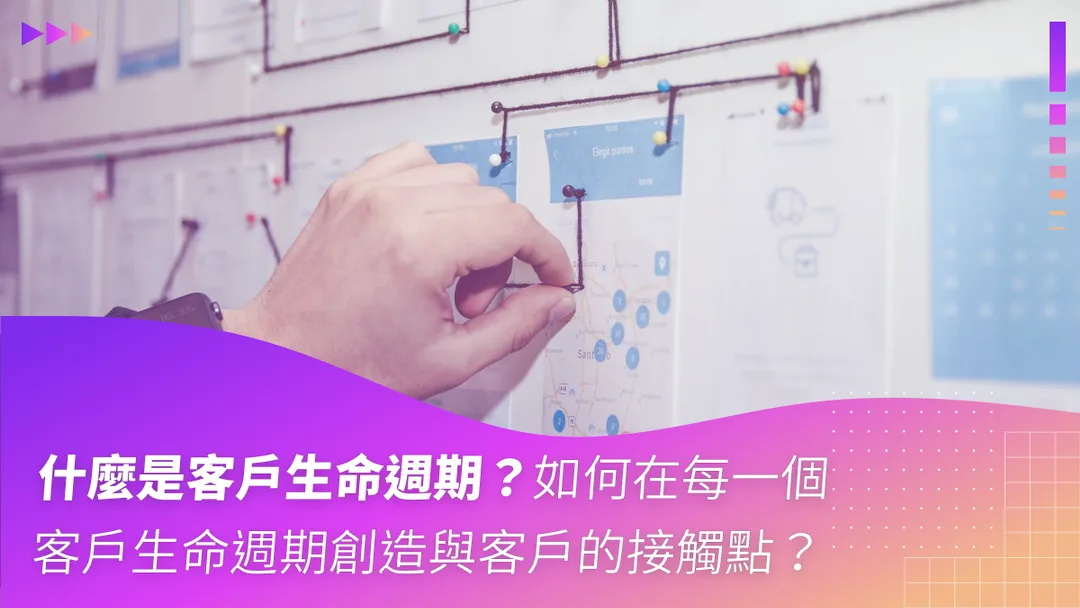
4. Buyer Persona
A buyer persona helps companies understand existing and potential customers, so they can craft more precise marketing and sales strategies, plan and position products, and address the needs and pain points of their target audience.
Companies can start with market research, or with surveys and interviews of existing customers, and build out their buyer personas step by step.
5. Segmentation
According to a 2019 study by subscription software company ProfitWell, customer acquisition costs have risen steadily over the past five years for companies of all kinds. Segmented marketing and sales strategies can help companies lower acquisition costs effectively and deliver service information precisely.
To run effective segmented marketing, you need to understand customer behavior at every lifecycle stage so you can attribute each customer’s behavioral profile and history.
What Are Segment Tags? How Tagging Works in LINE MarketingSince LINE Official Account 2.0 launched in 2020, businesses have been searching for new ways to engage. Broadcasting to every follower had become too expensive, and brands wanted to know their LINE friends better. Segmentation means using a variety of tags to understand your friends. When a friend first adds your account, they are a blank slate: you only know their name, email, and phone number. Through conversations, online behavior, clicks, interests, and preferences, their profile becomes clearer and clearer.https://oakmega.com/blog/what-is-behavior-tag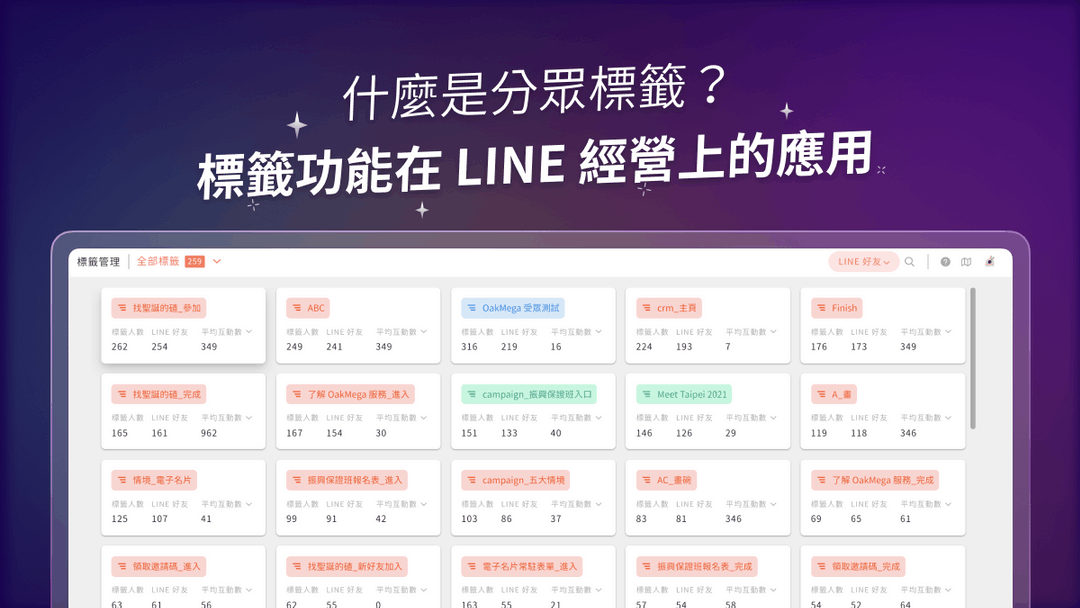
The Sales Process
6. Sales Process
To get the most out of a CRM tool, companies must activate the first-party customer data they collect and apply it to the sales process, helping sales reps use data to communicate with customers at each stage and close more deals.
7. Content Marketing
When adopting a CRM tool, companies should also invest in ongoing content marketing. Good content becomes material for engaging customers at different touchpoints, moves them to the next stage of the lifecycle, and builds steady traffic beyond paid ads.
8. Inbound Marketing
The concept of inbound marketing was pioneered by CRM SaaS company HubSpot. By continually updating and optimizing the service information on its website, a company lets users discover its services through search engines, social media, and other websites, generating high-quality leads.
How to Do Inbound Marketing on LINE: Brands Driving High Conversions with LINE Official AccountsAs easy user growth fades, limited-time tactics like giving away free stickers for adding a LINE friend no longer work. LINE’s own business news channel has begun urging brands to adopt a long-term approach tied to brand strategy in order to build buzz and attract new friends. So how can you improve your current LINE strategy? Try an inbound marketing mindset: enrich your LINE Official Account content, use LINE’s many built-in features and its place in customers’ daily lives, and send segmented messages to the friends who need them. Over time, this creates a positive cycle. Below, we briefly explain how to do inbound marketing on LINE and share real LINE inbound marketing cases from well-known international brands.https://oakmega.com/blog/line-inbound-marketing
9. Customer Touchpoints
Every interaction between a company and a customer counts as a customer touchpoint. A customer might first learn about a company through a Meta ad, click through to its blog from a search engine, or talk with a sales rep at an offline event. Companies should think about how to expand their touchpoints and improve the quality of every interaction.
10. Conversion Rate
Companies need CRM tools to track each customer’s data and behavioral profile, trace their conversion actions, and calculate conversion rates. Only then can they review in real time how precise their marketing strategies, such as inbound marketing and ad campaigns, really are, along with the quality of their sales process.
Conclusion: Put CRM First-Party Data to Work and Build Close Customer Relationships
As we said at the start, CRM is more than adopting a digital tool for businesses. With fragmented customer behavior and increasingly complex communication channels, digital transformation needs to start with a data-driven mindset. OakMega helps brands build long-term, warm connections with customers on messaging apps and uses first-party data to send personalized messages, so information reaches the right people. Fill out this form to learn more, and a specialist will be in touch.