
AI Teams
Social CRM
Government & Integration
Solutions



Resources

AI governance
When Every AI Is Smart Enough, What's Left for the Product? | CEO Insights
When GPT-6, Claude, Gemini, and Grok are all smart enough, what still sets an AI product apart? OakMega CEO Porsche Tsai breaks down the next battleground, from Model to Context, Action, and Trust.
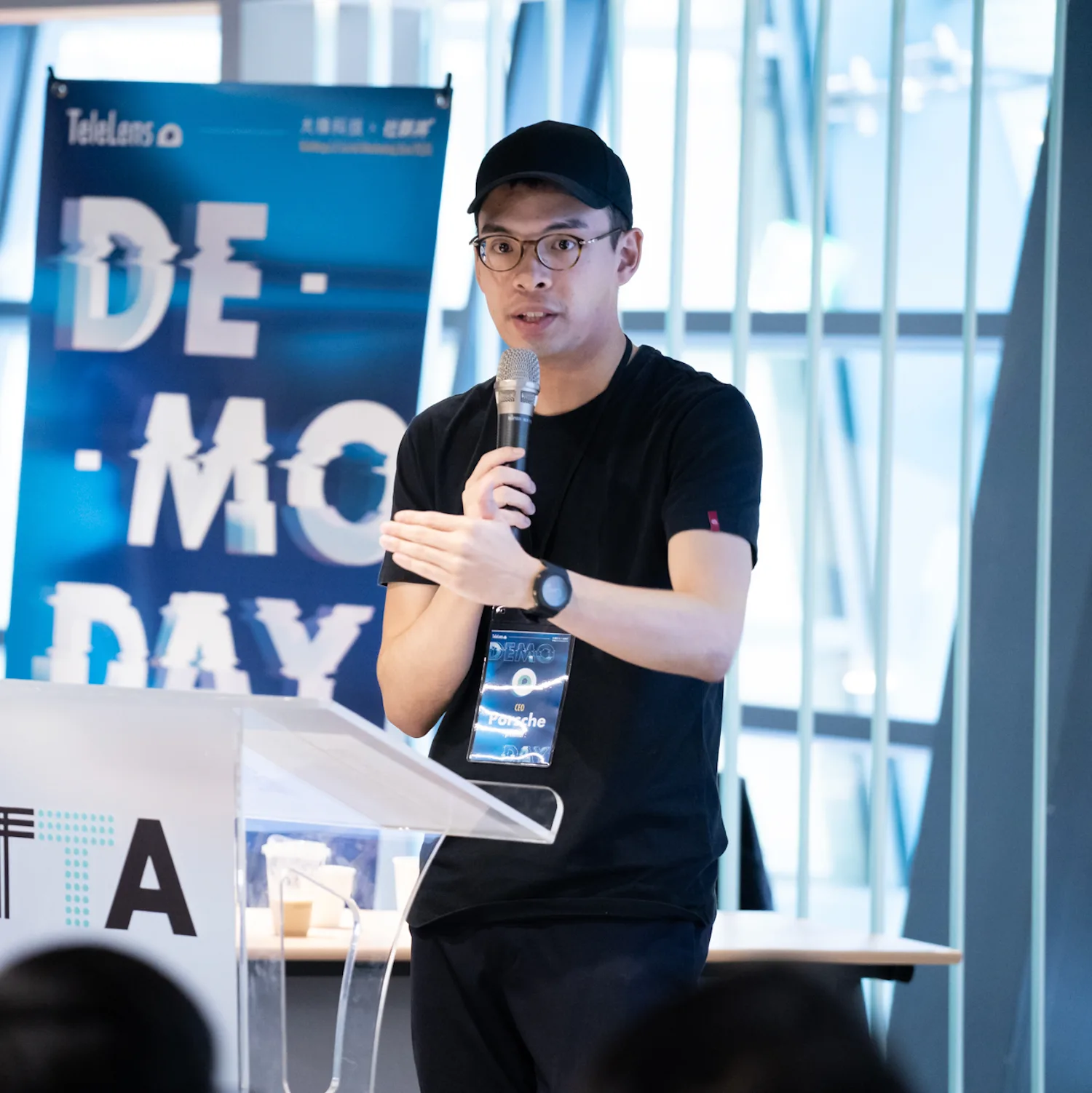 Porsche TsaiCEO
How to Build an AI-Native Services Company | CEO Insights
An AI-native services company delivers outcomes directly to customers: AI does most of the work, and humans stay in only the few steps that need real judgment. It sells results, not tools. This piece walks through Y Combinator's hands-on playbook: how to pick the right market, why variance kills this business faster than anything else, and the P&L math that changes the business model entirely.
Porsche TsaiCEO
How to Architect an AI-Native Business | CEO Insights
An AI-native business is one built with AI in every part of the company from day one, with its entire business model and value proposition designed around AI, rather than AI tools “bolted on” to existing processes. This post summarizes Harvard Business School Online's architecture guide: what AI-native really means, how it differs from “integrating AI into legacy systems,” and the four pillars of building an AI-native business.
Porsche TsaiCEO
AI Replaces the Interface, Not the System: What Claudeforce Reveals About the Battle to Control Enterprise AI
Claudeforce is the expanded partnership Salesforce and Anthropic announced in August 2026, letting users work in their CRM from inside Claude without ever opening Salesforce. Its real significance: AI replaces the interface, but the system stays — the customer relationships and data no one can rebuild overnight. And in Taiwan, inside the LINE ecosystem, OakMega is doing the same thing.
 Samuel JengHead of Product
EU AI Act vs ISO 42001 vs AISVS: The Fundamental Differences Between Three AI Governance Frameworks | CEO Insights
The EU AI Act is a legal obligation (violations carry fines of up to €35M or 7% of global revenue); ISO 42001 is an AI management system certification (it earns enterprise customers' trust in your AI governance); AISVS is a technical security verification checklist engineers can use today. The three operate at entirely different levels, and Taiwanese SaaS companies should set priorities in this order: “Do you have EU customers? → Do you face B2B procurement requirements? → Engineering security self-assessment.”
Porsche TsaiCEOStart your AI transformation today.