







Fed Up with iOS 14.5's Privacy Settings? Wait Until You Meet iOS 15
The biggest change in Apple's iOS 14.5 update was handing privacy control back to users. The move angered plenty of people, and Facebook even planned to sue Apple. So what's the big deal about giving users control? And if you thought iOS 14.5 was bad, you haven't met iOS 15 yet!
 ILING WuProduct Marketing Manager
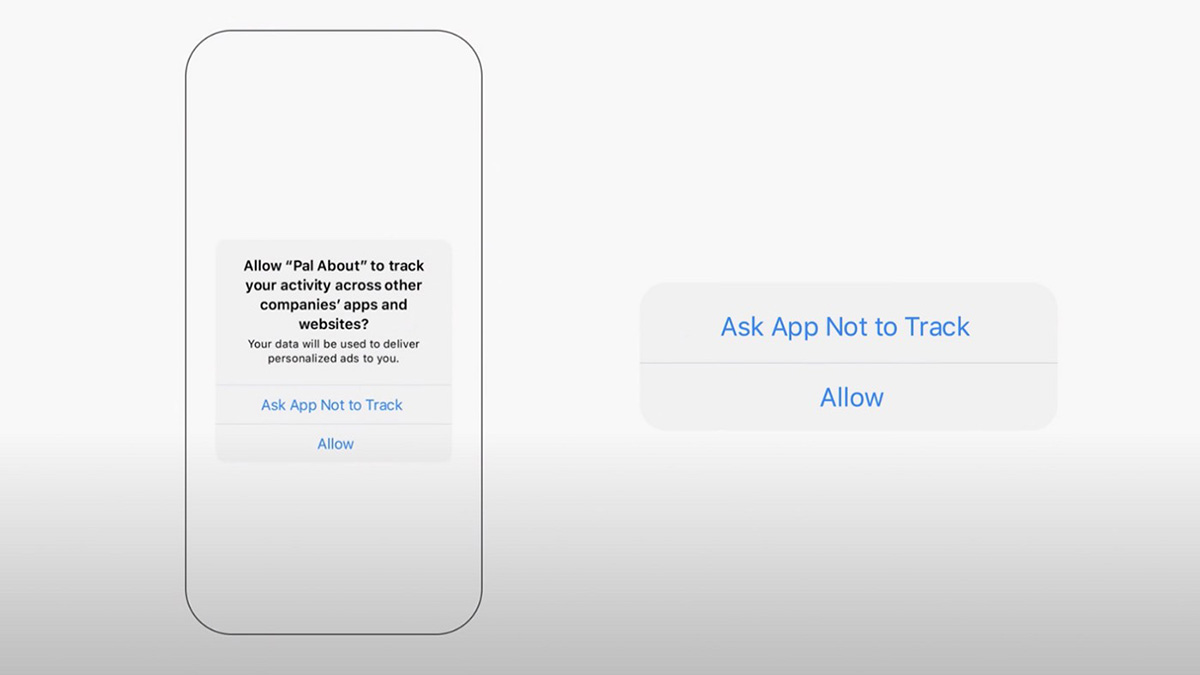
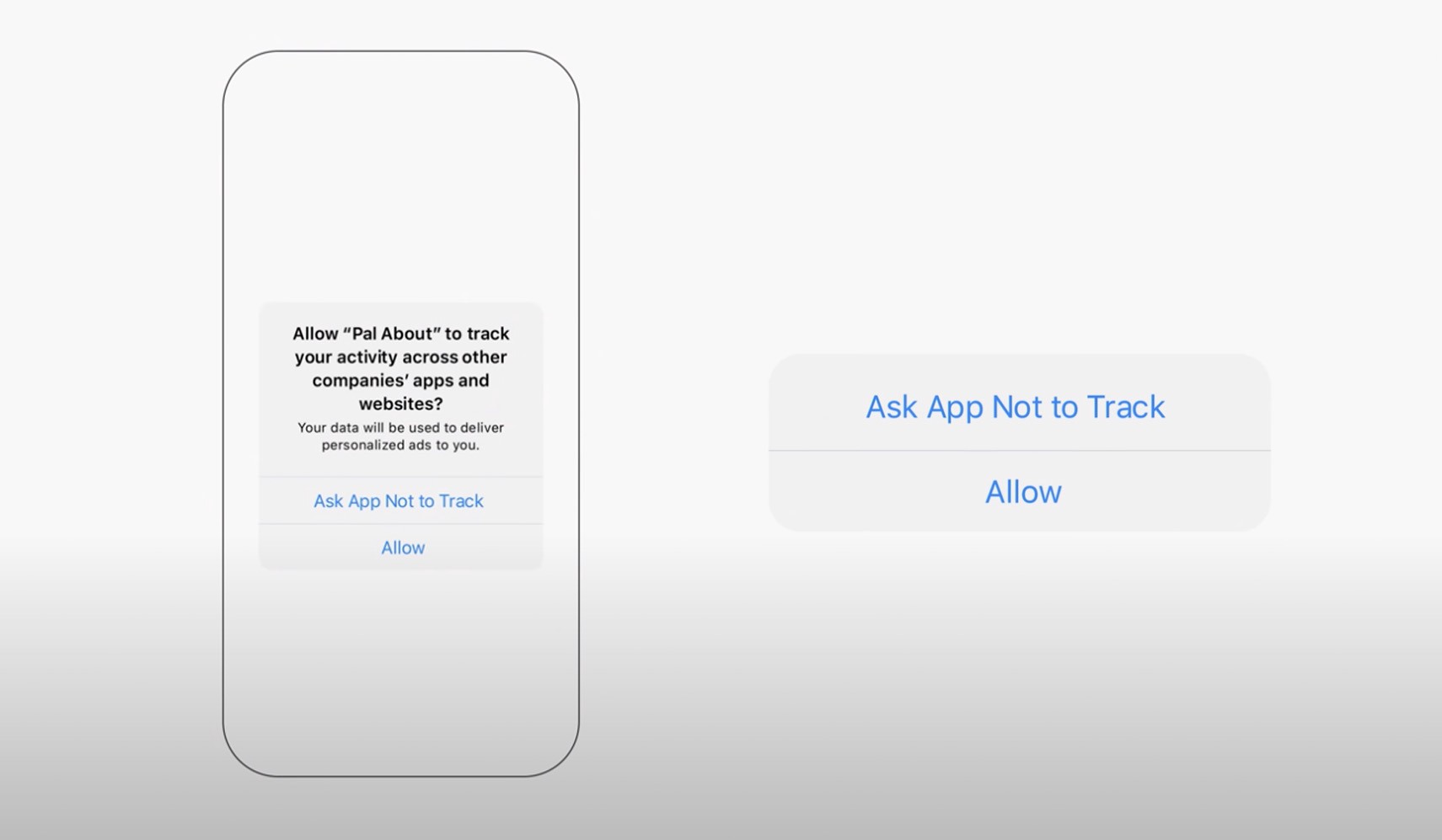
The biggest change in Apple's iOS 14.5 update was handing privacy control back to users. The move angered plenty of people, and Facebook even planned to sue Apple. So what's the big deal about giving users control?
And if you thought iOS 14.5 was bad, you haven't met iOS 15 yet!
Let's start with App Tracking Transparency (ATT), which restricts tracking through the IDFA. Once you update to iOS 14.5 or later, any app that tracks your device ID will show a pop-up asking whether you want to be tracked and explaining why the app wants to track you.
iOS 15 Hands Privacy Back to Users Across the Board
Privacy protections get a further upgrade in iOS 15, iPadOS 15, macOS Monterey, and watchOS 8
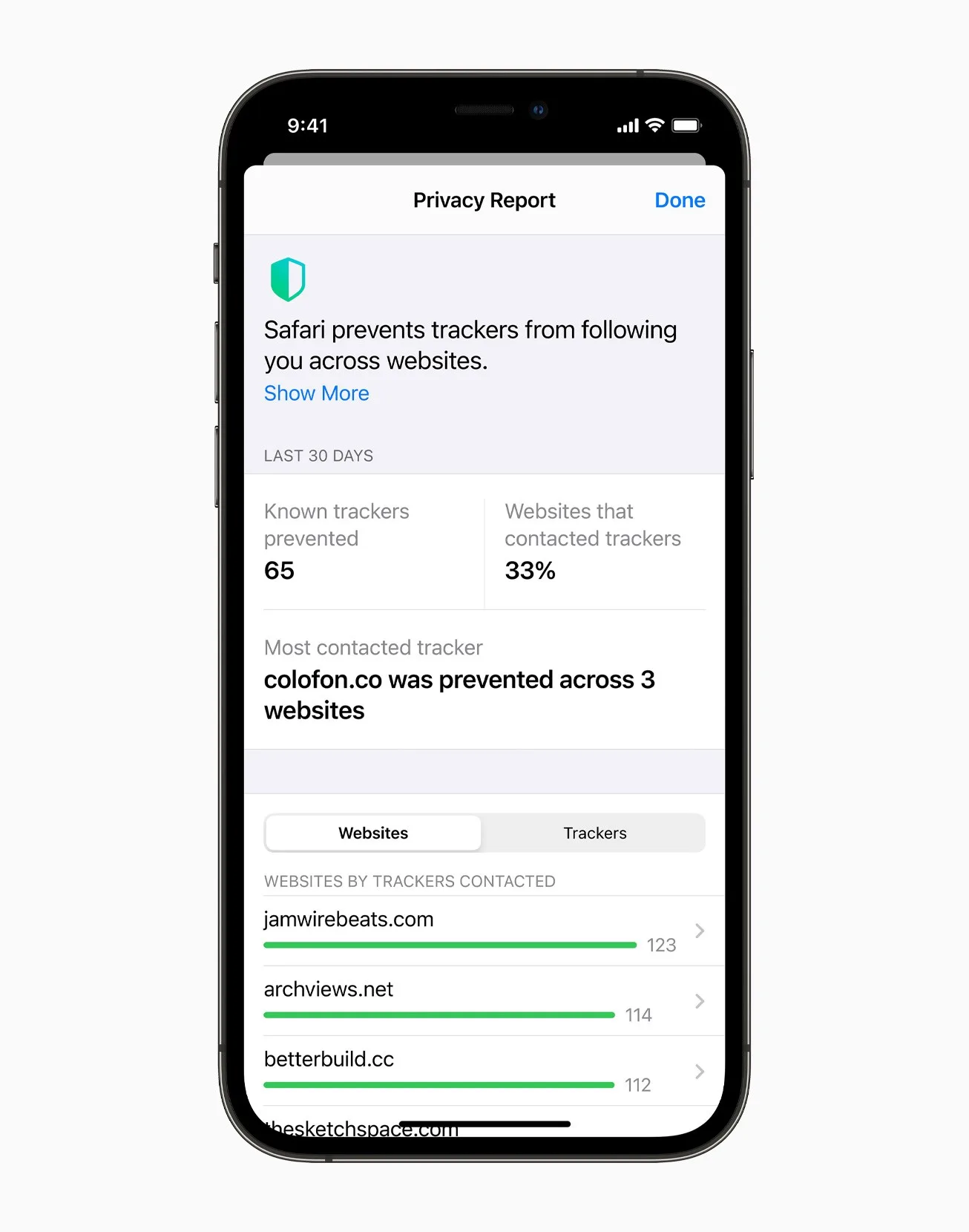 Privacy protections get a further upgrade in iOS 15, iPadOS 15, macOS Monterey, and watchOS 8
iOS 15, unveiled at this year's WWDC, may drive even more advertisers up the wall:
- App privacy checks: With the App Privacy Report, users can see how often each app has used the permissions they granted over the past 7 days.
- Mail Privacy Protection: Prevents senders from knowing whether a user has opened an email, and hides the user's IP address so senders can't use it to track their other online activity or pin down their location.
- Safari Intelligent Tracking Prevention: Now also hides users' IP addresses to protect them from tracking.
- iCloud Private Relay: A new internet privacy service built into iCloud. When users browse with Safari, Private Relay encrypts all traffic leaving the device, so no single party can see both who the user is and which sites they visit, protecting user privacy.
ATT Is On Across the Board
Since iOS 14.5, tracking protection has been mandatory. Apple requires app developers to get permission before tracking your activity in their apps or on websites to serve targeted ads. Users decide whether to allow in-app ad tracking, and developers must get consent before they can track.
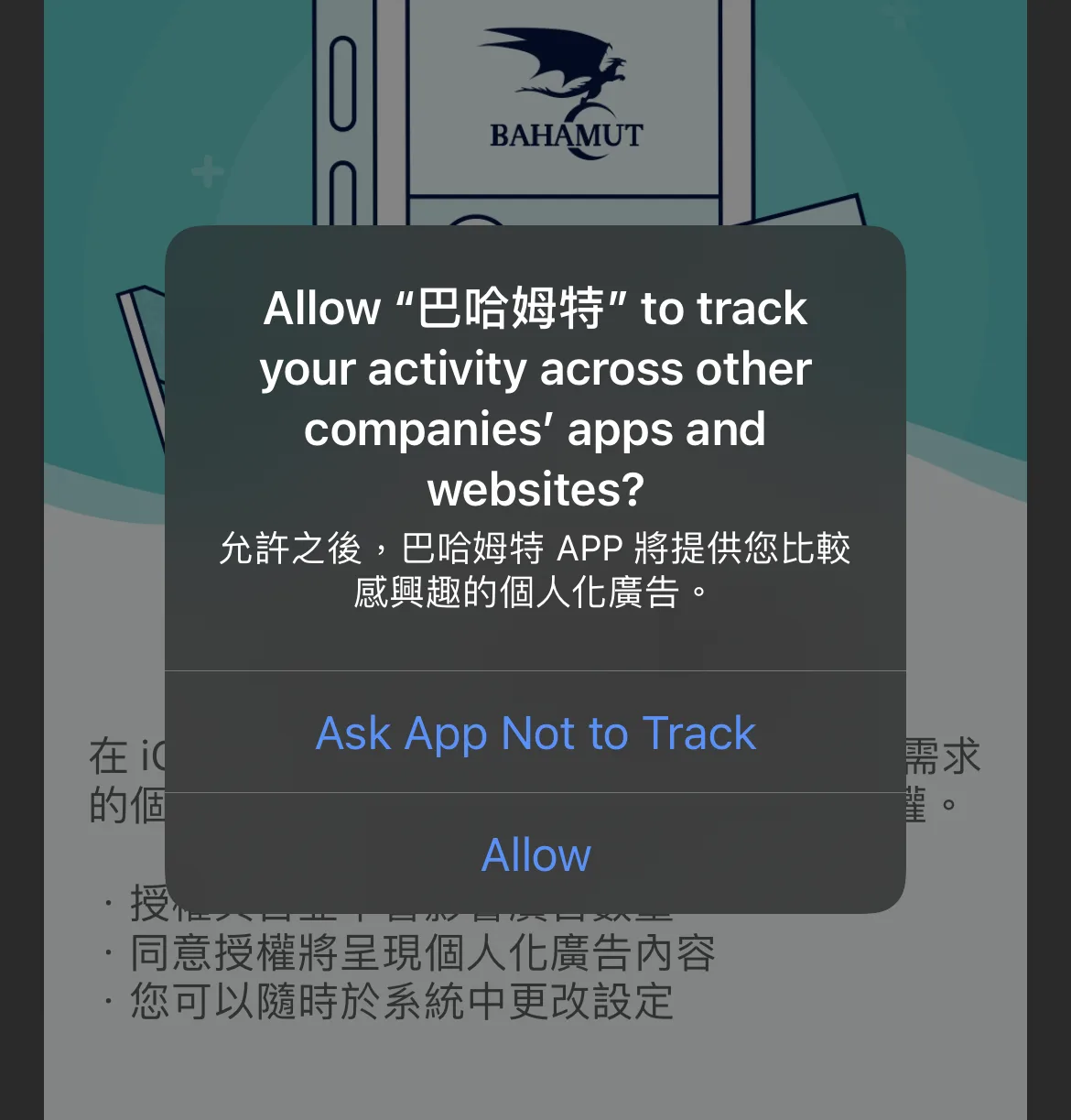
So when an app is downloaded and installed, it must show a pop-up with "Ask App Not to Track" or "Allow," letting users decide for themselves whether to be tracked.
How to Configure ATT Tracking
Under "Tracking," you can turn "Allow Apps to Request to Track" on or off.
On iPhone, go to Settings > Privacy > Tracking to adjust this option.
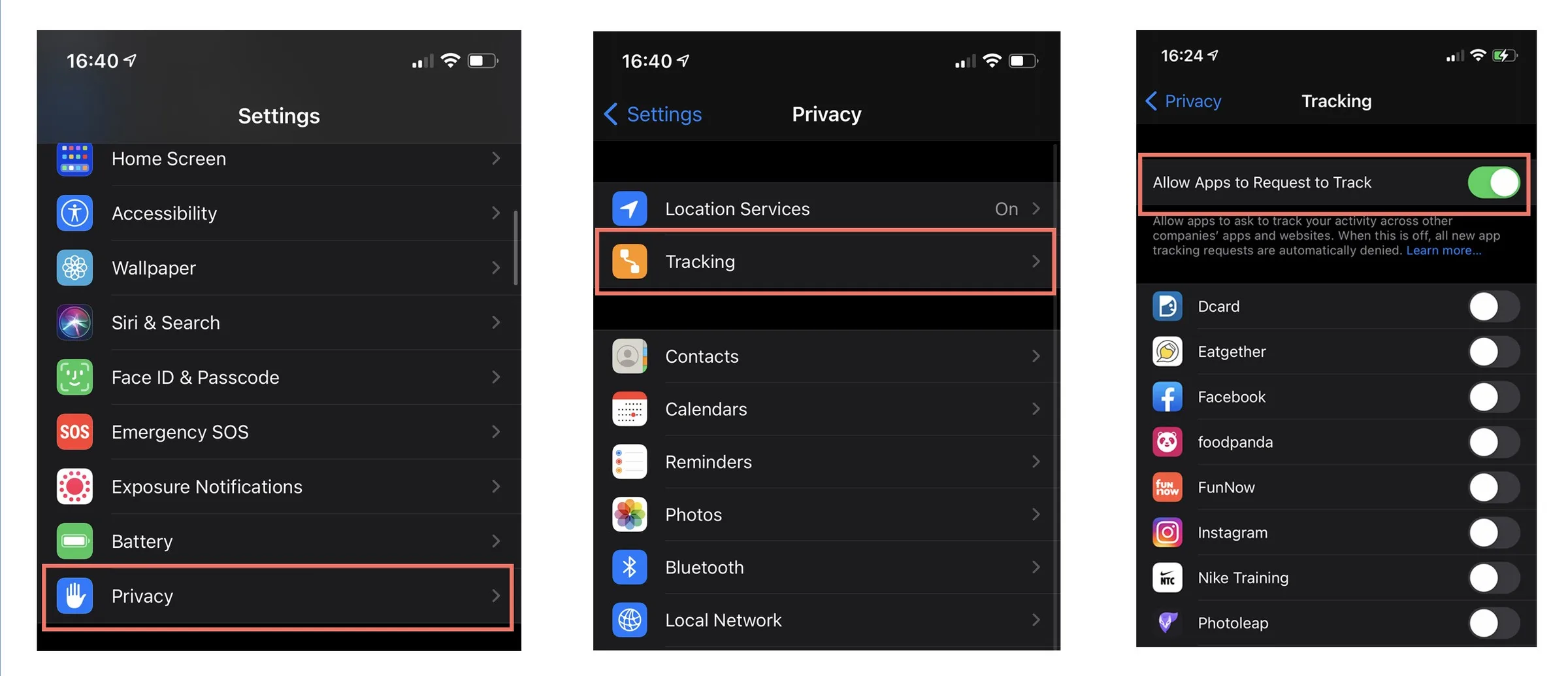 On iPhone, go to Settings > Privacy > Tracking to adjust this option.
Turning it on means that whenever you install a new app, you'll be asked whether you allow the app to track your activity, including across other companies' apps and websites, to serve targeted ads, measure how you respond to ads, or share your data with data brokers.
With the option turned on, you can still grant or deny permission app by app.

How Apple Protects User Privacy
Apple has always put a premium on user privacy. It introduced the IDFA in 2012 precisely to keep developers from over-collecting users' personal data. In an interview, Song Xing, founder of a marketing analytics consultancy, said: "Without the IDFA, consumer data can still be collected, but its use will have to rely more on real-name information. Also, to capture consumer characteristics, more methods of probing consumer information may emerge, which could actually expose consumers' privacy to more unknown risks."
In 2018, Apple's Safari browser began requiring user consent before sites could access cookies. Firefox followed in 2019 by blocking third-party cookies by default, and this year Google announced it will fully phase out third-party cookies next year.
After Dropping Third-Party Cookies, Google Won't Adopt New Technology to "Track" UsersGoogle has said it will drop third-party cookies in 2022 and won't adopt new ways to track users.https://oakmega.com/blog/third-party-cookie
This move didn't sit well with Facebook either. Last December, Facebook launched a PR offensive against Apple, running ads in The Wall Street Journal, The New York Times, and on its own website accusing Apple of unilaterally changing its privacy rules in a way that would hurt small businesses that rely on Facebook ads.
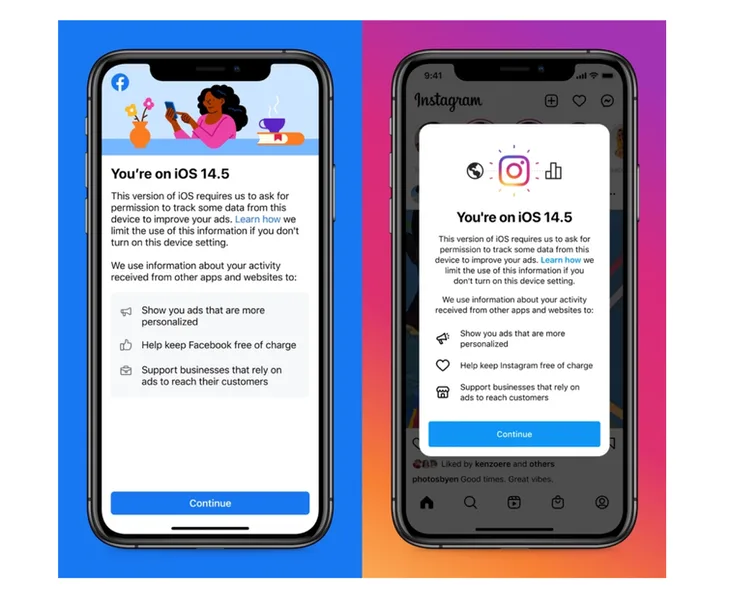 photo credit : Facebook
After the update, Facebook first shows a prompt explaining the benefits of letting it access your data: more relevant ads, support for businesses that advertise, and keeping Facebook free. It's trying to use these benefits to get users to agree to let Facebook track some of their data.
Apple vs. Facebook: Who Wins This Battle?With iOS 14, announced last year, Apple said that to protect user privacy it would add "privacy labels" telling users what information apps track, and let users choose whether to allow an app to collect their data. The update dropped a bombshell on social media and the digital advertising industry, and companies that rely heavily on ad revenue…https://oakmega.com/blog/apple-vs-facebook
How Big Is the Real Impact?
iOS 14.5 has been out for a month now. So how has it actually affected the digital advertising industry?
The Post-IDFA Alliance, founded by leading global ad tech companies including AdColony, Chartboost, Fyber, Vungle, and Liftoff, released a report covering the two weeks from April 26 to May 9. Here are the highlights:
- In the two weeks after release, the average iOS 14.5 adoption rate was 12.9%, much lower than past update adoption rates
- Individual data points show that 16.8% to 36.5% of iOS 14.5 users opted in to IDFA tracking, meaning 63.5% to 83.2% of users refused to be tracked
But with adoption at 12.9%, fewer than 12% of users may be affected right now, so in terms of volume the impact is still small, and the reach of the ad impact needs continued monitoring. Since iOS 15 was announced, the internet has been one long wail of despair. In the more privacy-conscious internet era ahead, first-party data will be the trend.
References
- What Did Apple's New Privacy Rules Actually Change?
- 14.5 Days After iOS 14.5: An Early Look at the Impact on Mobile Advertising
- Apple Advances Its Privacy Leadership with iOS 15, iPadOS 15, macOS Monterey, and watchOS 8
OakMega: The Social CRM Built for Marketers
👏 Your applause keeps me going. Press and hold to clap again and again!