





After Dropping Third-Party Cookies, Google Won't Use New Technology to “Track” Users
In a post on Google's official blog, David Temkin, Director of Product Management for Ads Privacy and Trust, said Google has received many questions about whether it will adopt alternative technologies, such as user-level identifiers, to replace third-party cookies. In fact, ad tech companies have long tried to balance consumer privacy with delivering personalized ads after third-party cookies go away.
 ILING WuProduct Marketing Manager
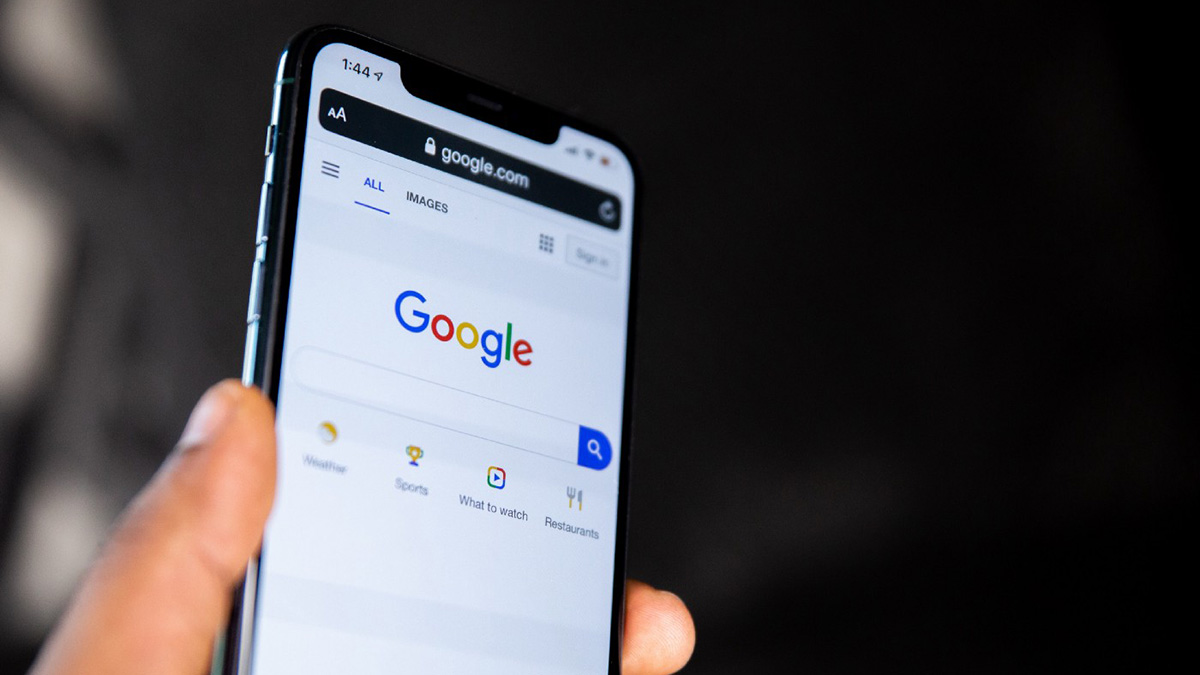
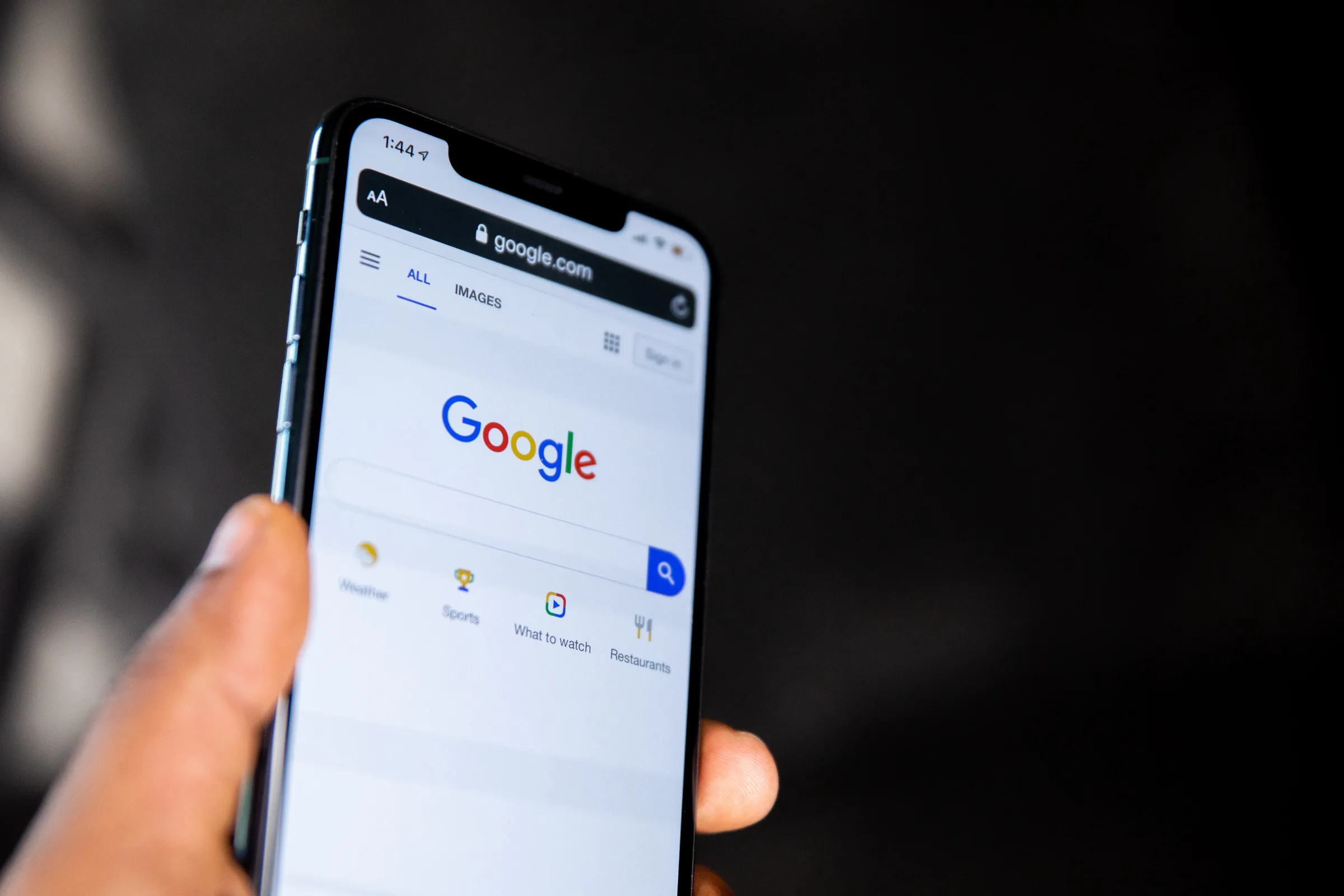 photo by @solenfeyissa
Google has already announced it will stop using third-party cookies in 2022, and that it won't adopt new ways to track users.
In a post on Google's official blog, David Temkin, Director of Product Management for Ads Privacy and Trust, said Google has received many questions about whether it will adopt alternative technologies, such as user-level identifiers, to replace third-party cookies.
In fact, ad tech companies have long tried to balance consumer privacy with delivering personalized ads once third-party cookies are gone.
Recommended reading: Third-party cookies are going away. How should marketers respond?
Temkin also stated clearly that once third-party cookies are phased out, Google will not build alternative identifiers to track individuals as they browse the web. The decision will certainly help move the industry away from the privacy concerns of individual tracking.
Google's solution
Privacy Sandbox
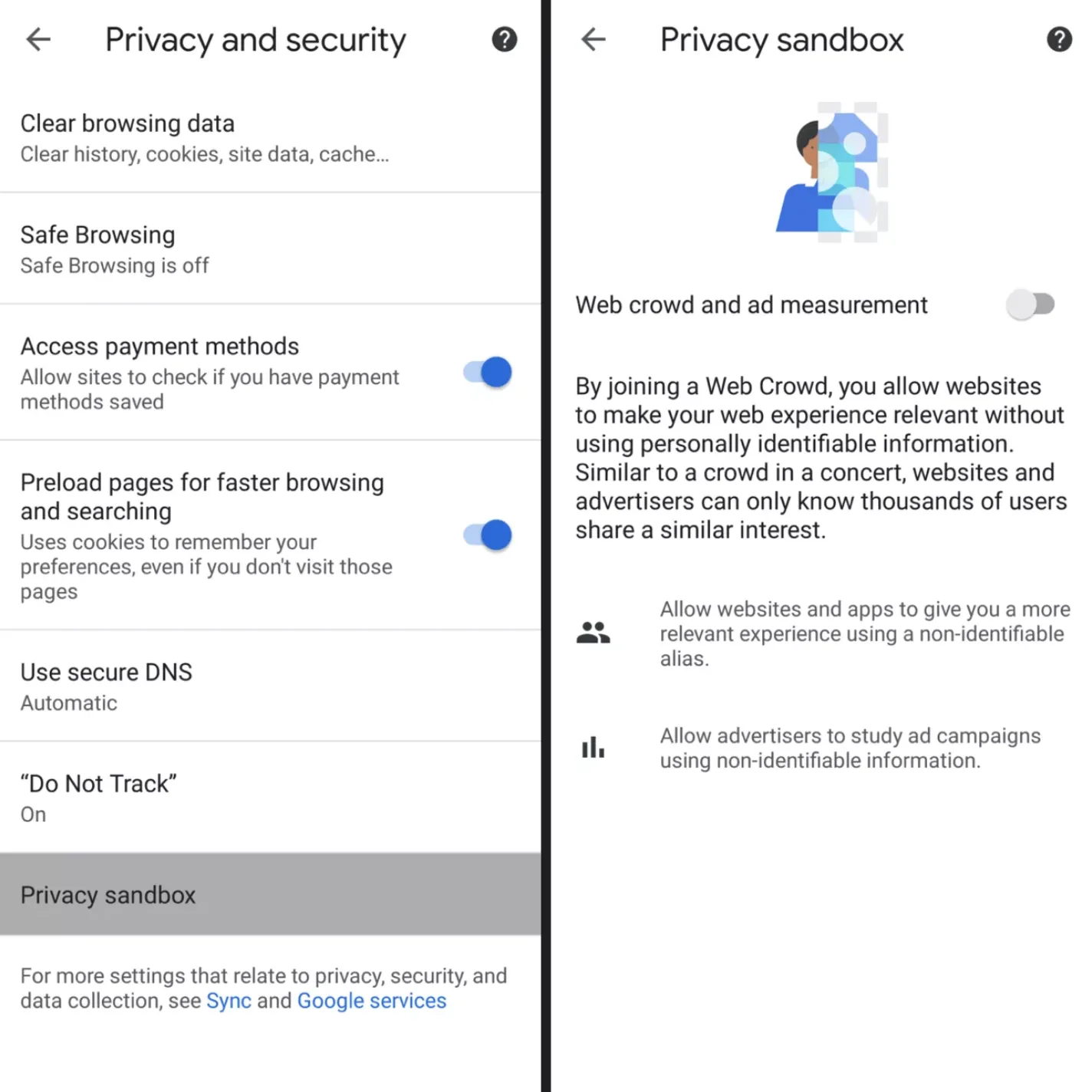 Google is pursuing a different solution through its Privacy Sandbox initiative.
Google appears confident in its approach to replacing third-party cookies. The proposal, called FLoC (Federated Learning of Cohorts), groups people with similar browsing behavior into cohorts. In the future, there will only be IDs for groups, not for individual users. Google also plans to start testing it with advertisers in Google Ads next quarter.
In April, Chrome will release the first version of its Privacy Sandbox controls (a simple on/off switch), with more extensions in later updates, refined through user feedback until the final version.
Facebook's solution
A first-party cookie Conversions API
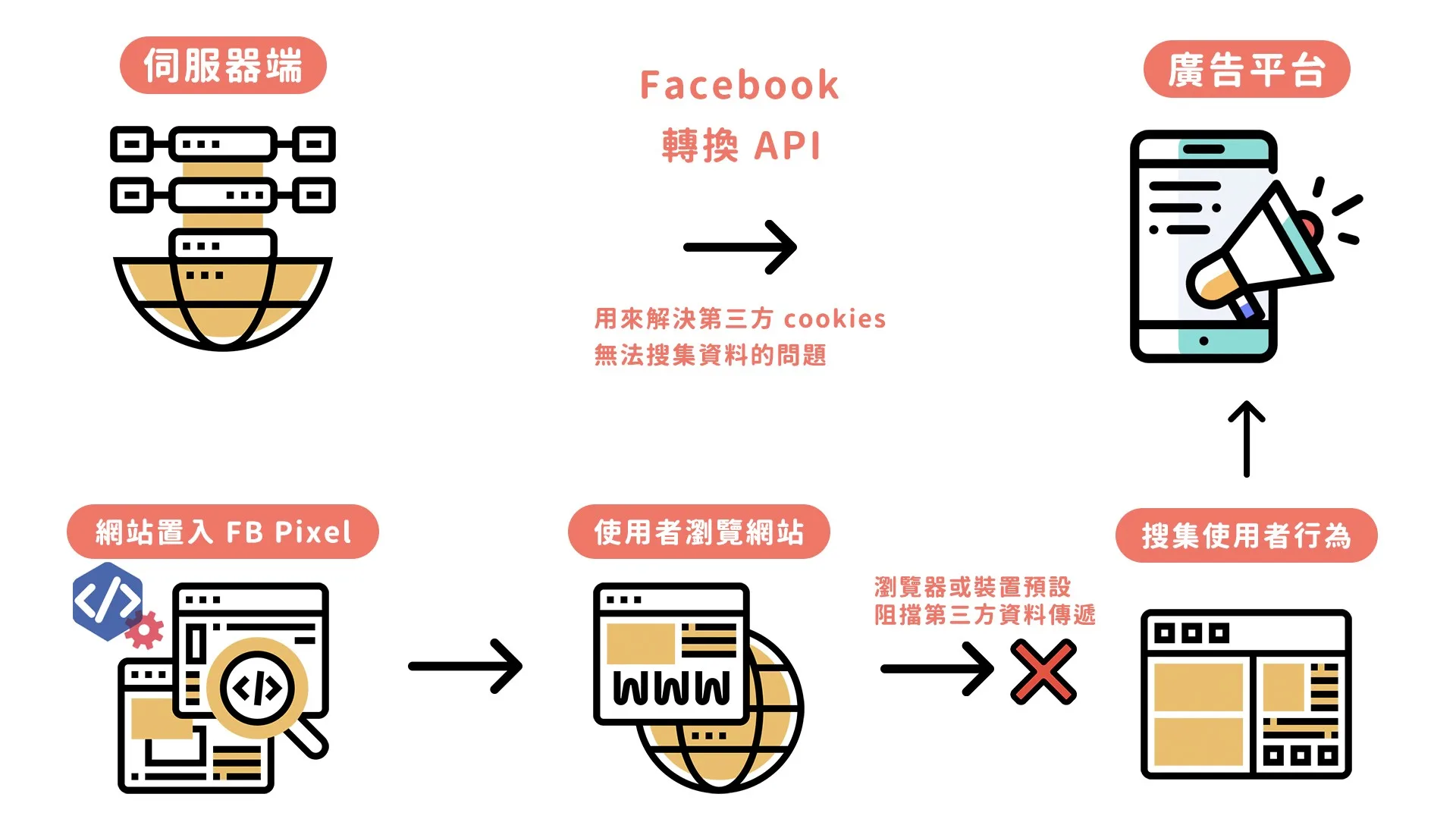
As we covered in an earlier post, Facebook's solution is “Conversions API + pixel”: first-party cookies used alongside third-party cookies, so first-party cookies keep working even when third-party cookies are blocked.
Who wins and who loses when third-party cookies end?
Big platforms that already own data, such as Google, Facebook and Amazon, have huge user bases and their own first-party data collection systems. That gives them an even greater advantage in holding user data, and advertisers will have little choice but to turn to them.
For brands, losing third-party cookies would seriously reduce the effectiveness of their digital advertising. Although Google says the new FLoC can achieve 95% of the previous accuracy, few people feel confident before it's actually in place, so it remains a risk.
At the end of his post, Temkin also notes that “First-party relationships are vital.” Building a connection with customers has always been the key. As we live in an increasingly privacy-conscious society, brands working to build first-party relationships with their own customers will be the next priority, making the ways to collect first-party data more diverse and more valuable.
[Further reading]
- What is Social CRM? Understanding the essence of SCRM
- Privacy Sandbox in 2021: Testing a more private web
- Taking on the data walls of the giants: The Trade Desk's UID 2.0, leading the open internet alliance

📣 OakMega: the Social CRM built for marketers
Your applause keeps us going. Press and hold to clap again and again!
Website / Facebook Page