Innovation? Decentralization? What Exactly Is Web 3.0?
Web 3.0 isn’t a concept from the past two or three years. It was first proposed back in 2001 by Dale Dougherty, then VP at O’Reilly Media (and a key early champion of Web 2.0), in the wake of the dot-com crash. The vision was far vaguer then: the internet would simply become more personalized and customized.
 ILING WuProduct Marketing Manager
You keep hearing the term Web 3.0 in crypto circles, yet it remains fuzzy, and it’s constantly lumped together with cryptocurrency, blockchain, NFTs, and the Metaverse. Ever wondered what Web 3.0 actually is?
Many people still have only a hazy idea of Web 3.0, and quite a few have jumped in without really understanding it beyond buzzwords like “decentralization” and “distributed computing.” Like the Metaverse, Web 3.0 is something of the future: a set of ideas that hasn’t been settled yet. It’s still a fuzzy concept, and even insiders struggle to explain it clearly.
But Web 3.0 isn’t a concept from the past two or three years. It was first proposed back in 2001 by Dale Dougherty, then VP at O’Reilly Media (and a key early champion of Web 2.0), after he watched the dot-com bubble burst. The vision of Web 3.0 was far vaguer then. All anyone knew was that, compared with Web 2.0 and 1.0, the internet would become more personalized and customized, moving away from the strictly top-down, non-interactive relationship that dot-com-era companies had with their users.
How Web 1.0, Web 2.0, and Web 3.0 differ
- Web 1.0
Static pages: information goes digital, one-way delivery
Think of early portals like Yahoo!. You saw whatever the site wanted you to see, from news to online auctions. The focus was pushing information one way; users could only consume what the site provided, with no way to interact or create.
- Web 2.0
Facebook, IG, YouTube, TikTok: users actively create content
Users wanted to participate. Websites added comments, and brands moved beyond their official sites into social media, trying to engage with users.
Creators joined in. KOLs, influencers, YouTubers, and everyday people started producing content, and some influencers now out-earn and out-shine many celebrities, with millions or even tens of millions of followers forming their own fan communities.
So where is Web 3.0 headed?
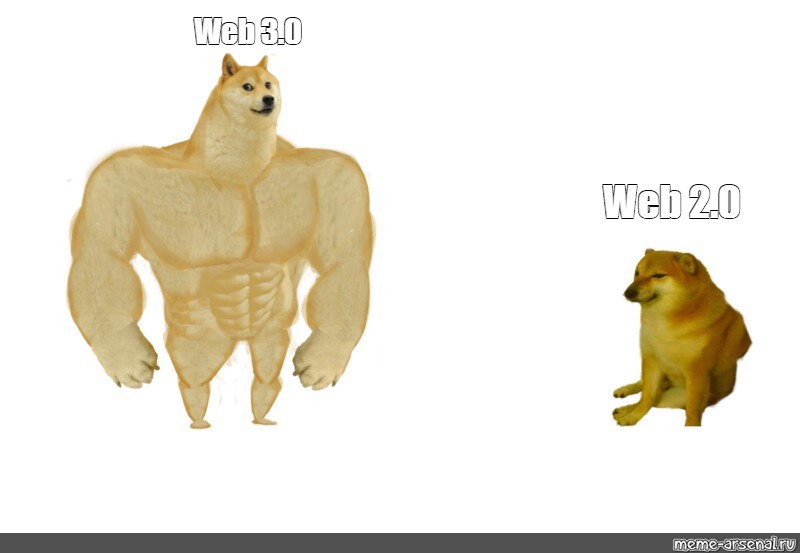
Web 3.0 will evolve around these principles:
- Verifiable
- Trustless
- Self-governing
- Permissionless
- Distributed
Web 3.0, also called Web3, will be decentralized. No one can stop data from being transmitted, and all information becomes more transparent. Distributed computing shifts the work to a broad base of users, who are rewarded once the computation is complete. That’s what people call mining, and Web3 has gradually developed an economy of its own.
Web 3.0 applications
NFTs (non-fungible tokens), dapps (decentralized applications), DeFi (decentralized finance), and tokenomics
Conclusion
Web 3.0 builds on Web 2.0, but with one fundamental difference: decentralization. It returns data to each individual, gradually breaking free from the grip of “centralized tech giants” and moving toward a freer world where people regain control over their identity and data.
What does this mean for us? In my view, it’s about data returning to the individual:
- Businesses, too, shift away from centralized giants and back to their own first-party databases, which encourages them to own their data
- Social CRM helps businesses regain ownership of their user data
- Fans start to control the flow of information, making audience segmentation more important than ever
Of course, plenty of voices warn that Web3 could become a bubble. Elon Musk, for one, has called Web3 little more than a marketing buzzword. Blockchain is still very new, and it will take time to move beyond venture capital and cryptocurrency. As for whether it will burst, we’ll just have to keep watching!