







What Is Social CRM? Understanding the Essence of SCRM
Member management is often equated with customer relationship management (CRM). Social CRM goes further, helping businesses better understand customers and markets, lift conversion rates, retain customers and build long-term relationships, and extend customer LTV (lifetime value) so customers keep buying and even recommend you to others.
 ILING WuProduct Marketing Manager
Member management is often equated with customer relationship management (CRM). Social CRM takes it further: it helps businesses better understand their customers and market, lift conversion rates, and retain customers for the long term. That in turn reduces customer service issues, improves reputation, and ultimately opens up new revenue opportunities.
Acquiring a new customer costs 5–7 times more than keeping an existing one, so most CRM initiatives are about loyalty. Businesses want lasting relationships that extend customer LTV (lifetime value), keep customers buying, and even turn them into advocates who recommend you to others.
Traditional mass marketing focused on one-off purchases and one-way messaging. Today, more businesses are adopting relationship marketing to strengthen their ties with customers. Every interaction adds personal data that powers personalized service and messaging, with the goal of deep, long-term communication. The focus is on depth of customer relationships, not breadth.
Social media adds more value
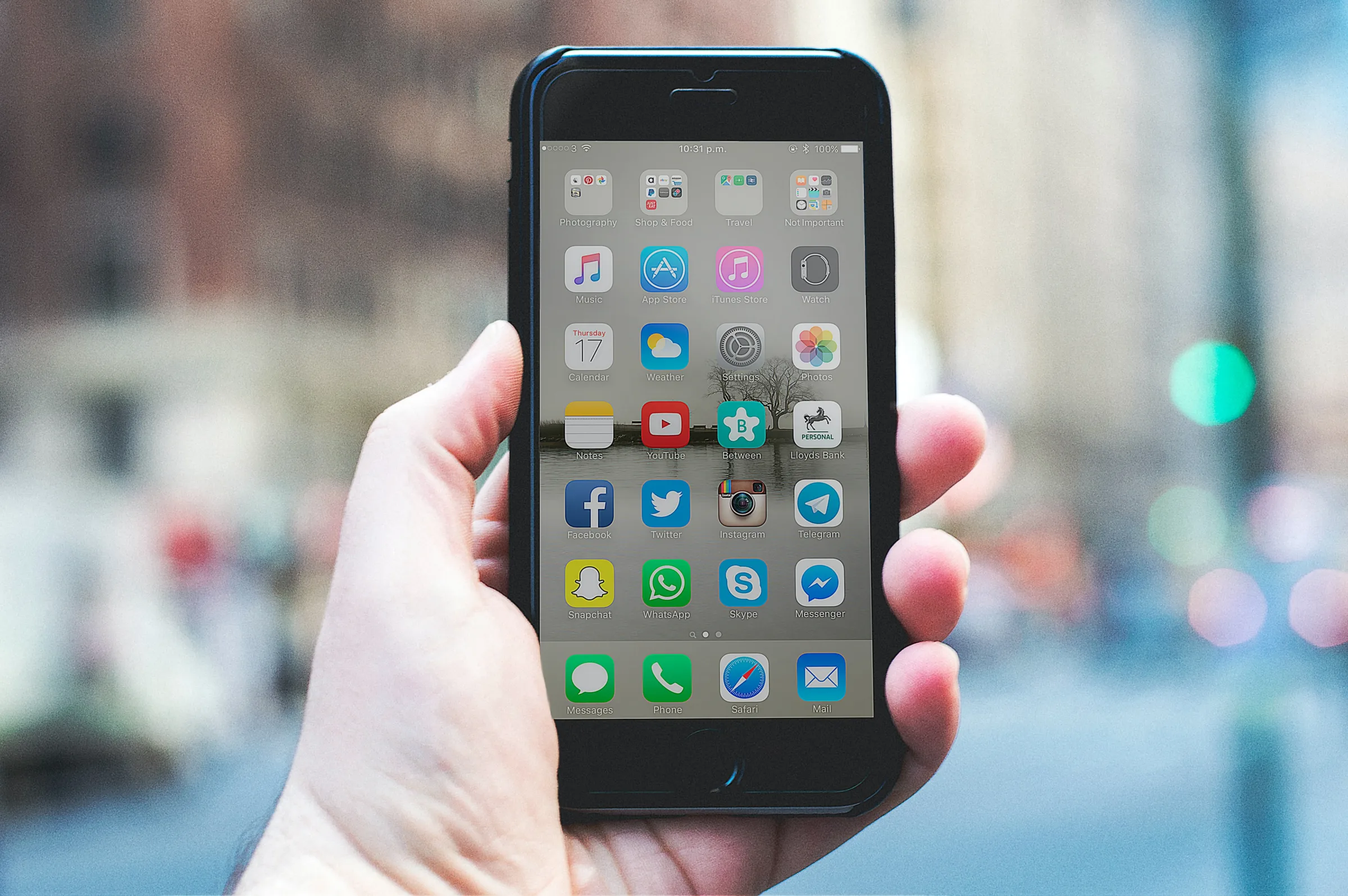 photo by @saulomohana
Brands now reach consumers through many more channels, such as fan pages, KOLs, and group-buying organizers. They use these social channels to engage consumers, running campaigns and brand conversations to communicate effectively and build image and word of mouth. As a result, some brands have adopted CRM to consolidate member data, purchase history, user habits, email sends, customer service records, and other sources for deeper analysis or marketing automation.
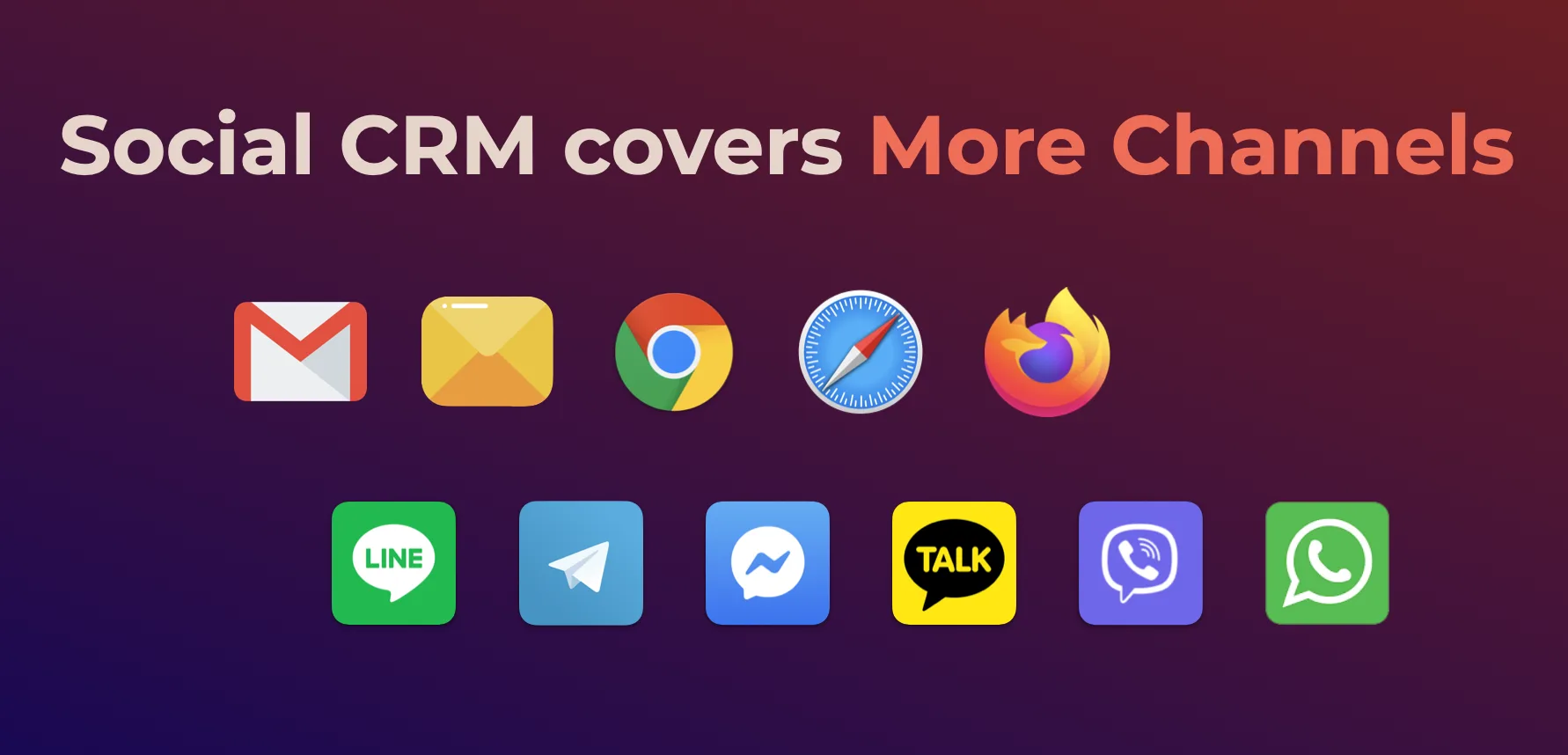
Multiple channels let brands reach more users, more broadly. But those users are scattered across Facebook, Instagram, YouTube, LINE, chatbots, email, and more, and businesses can't recognize each customer's identity across platforms or merge those identities into a single user. Data ends up fragmented across channels. For example, the buying habits of offline shoppers can't be turned into tags and synced back to the CRM database.
What Is Social CRM?
Social CRM (social customer relationship management) uses AI Mapping to combine consumers' interaction data across social channels with their member profiles and interests. It reveals when users buy, which products they like to click, and even what circumstances make them willing to purchase a product or service. It surfaces users' everyday preferences, down to the websites they like and the pages they click, and uses data analysis to find better moments to market.
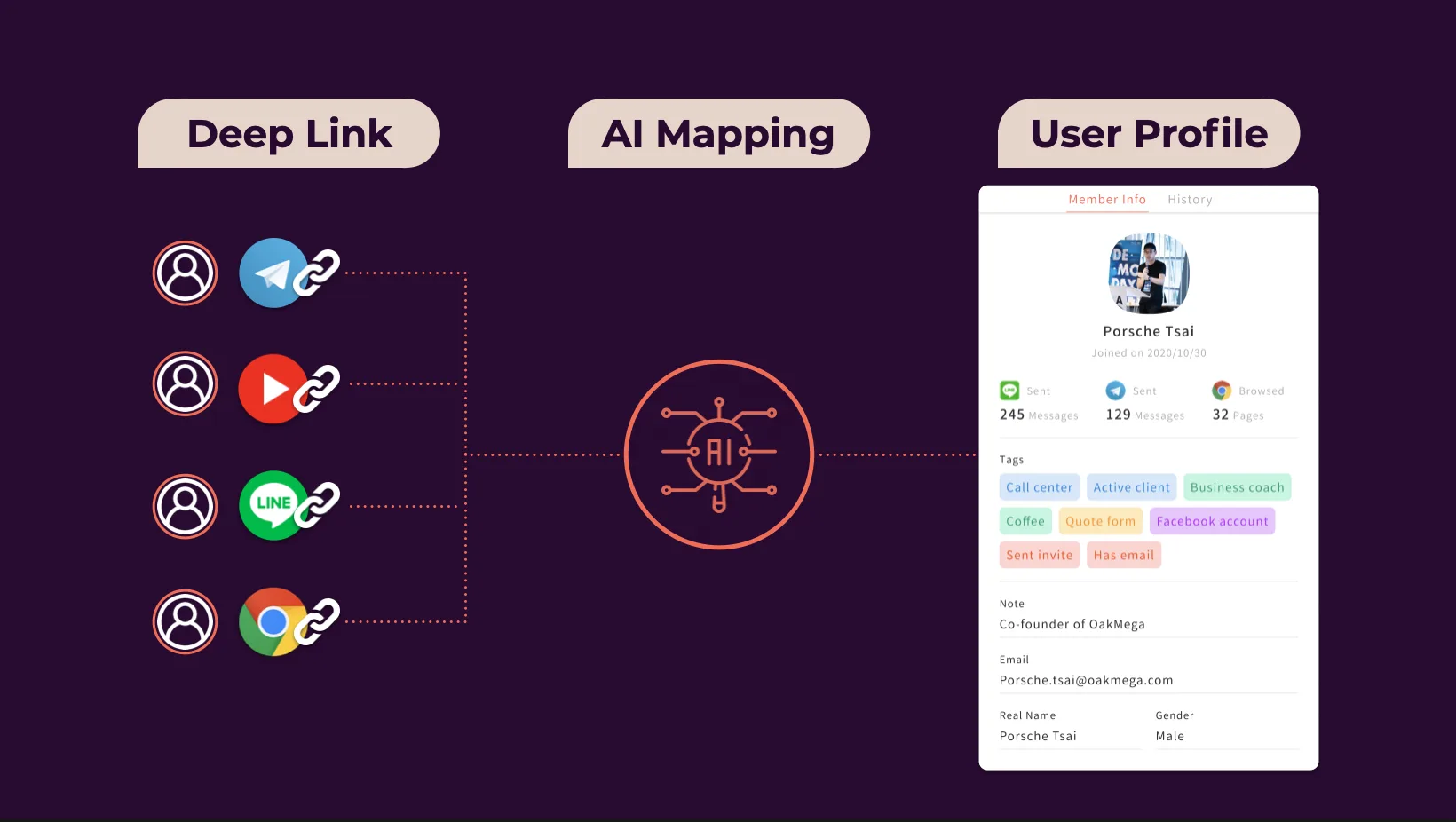
The better a business knows its users, the more tailored value it can offer each customer. By also gathering feedback through customer service, brands can design different business processes for different customers and become part of their lives. They can find overlaps in the traits of website visitors to uncover prospects, or, on a limited budget, add more dimensions of analysis for more precise member tiering.
How is Social CRM different from traditional CRM?
Customer relationship management has long been one-way. Customers' member and purchase data flows into the CRM as member records, but that data isn't put to good use. Businesses still blast out the same content, and everyone receives the same ads.
Key advantages of Social CRM
- More complete customer data:
Collect data from social media accounts (demographics, job title, location, interests, conversation history) to build a full picture of each customer.
- Audience analysis:
Analyze brand mentions and customer trends through hashtags and user statistics.
- What: what your customers and prospects are interested in
- What: what problems customers run into
- When: when customers hit product or service issues
- Who: who your most loyal fans are
- Where: where your next sales opportunity is
- Help your team flag and respond to complaints to build a positive brand image:
Social interactions, digital footprints, interests, ad engagement, and more come together in Social CRM to give a clearer picture of each customer, and you can respond to and analyze messages in real time.
- Find fans and advocates, and reward them:
Social CRM shows you who your active users are, so you can identify the KOLs in your community, reward them, and even use rewards to invite more friends to join.
- Build better relationships with customers:
Knowing users' preferences lets you track each customer's status at any time. Build a decision tree from the differences in interest tags between regular customers and your core buyers, analyze what your core segment looks like, find new prospects who fit the same criteria, and retarget packaged audiences with ads to raise conversion rates.
Conclusion
Social CRM is a way to use social media to improve the customer experience. While it extends certain elements of CRM, it is more intuitive and more customer-centric.
Social CRM focuses on customers' language, tone, and discussion topics. It analyzes data from every channel to gain more insight, then uses that data to raise conversions, grow sales, and win customers' loyalty.
The biggest difference between traditional CRM and Social CRM: Social CRM isn't limited to visitors of a specific website, to a specific time, or to people who have already made a purchase. It follows consumers' own habits and records the valuable data from every touchpoint between a brand and each person.
[Further reading]
- The Social CRM that came to be: from 2010 to 2020
- What Is Social CRM and How Can It Help Your B2B Efforts

OakMega Social CRM: the Social CRM built for marketers
👏 Your applause keeps us going. Press and hold to clap again and again!