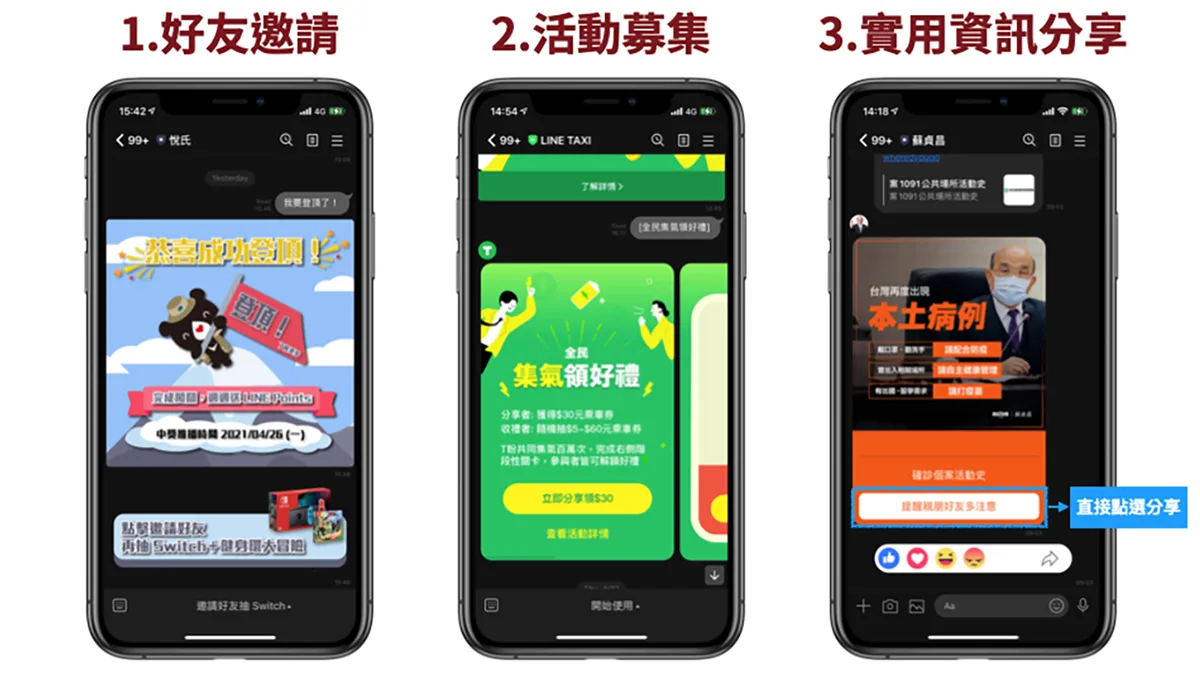
6 Key Steps to Running LINE and Other Chat Communities: Build Your Most Engaging Social Channel
LINE and other chat apps are private spaces, and official accounts that send irrelevant messages often see high block rates, which makes chat communities notoriously hard to run. With a Social CRM, you can track every member's status and journey in your account, and that extra insight gives your conversations a more human touch.
 ILING WuProduct Marketing Manager

Chat communities have always been something of a black box. LINE and similar apps are private spaces, and most people prefer to keep their personal and work lives separate. Many official accounts send irrelevant messages and end up with high block rates, which is why chat communities remain one of the harder platforms to run.

At the same time, they offer several advantages:
- Real-time and one-to-one
- Not controlled by algorithms
- Member data at your fingertips, so you clearly understand your audience
With OakMega Social CRM, you can track each member's status in full and see their journey through your account. More insight lets you give your conversations a more human touch.
Keys to running a chat community
1. Define your audience first
Know your audience beyond age, gender and location. Add usage context and preferences. Instead of “women aged 25–35 in Taipei,” try “office workers who love learning new things and shop online during work hours.”
The better you understand your users, the better you can design conversations around how they actually use the channel.
2. How chat communities drive revenue
Chat communities deliver the most value when they are aligned with your sales strategy and business goals.
For example, if you are a brand, you may need more inquiries that your sales team can then close. That means using chat to showcase more content, drive more webinar sign-ups, or answer prospects' questions.
E-commerce brands have shorter sales cycles. Their chat communities can send coupons, feature curated products and run limited-time offers, and can even take customers all the way through checkout and payment.
A common mistake we see in “conversational communities” is brands using chat only to push ads or display basic information about their services and products. That rarely helps the brand much. Once you understand which user problems your conversational community is meant to solve, you can help users in more engaging and fun ways.
3. Set your goals
The SMART framework for setting management goals:
- Specific: a clearly defined, focused goal
- Measurable: a metric you can quantify
- Achievable: a goal you can realistically reach
- Relevant: tied to current market conditions
- Time-based: you know when it will be done
SMART helps you define clearly what you want to achieve.
4. Choose your channels
Once your goals are set, pick the channels that will help you reach them. The right channels not only help you find ways to reach potential customers but also turn them into loyal fans.
LINE, Telegram and Facebook Messenger are all chat communities worth investing in, but each platform has its own characteristics that marketers need to understand in depth.
5. Create conversations with a human touch
Conversational marketing tells a story that sparks users' interest and can even turn them into loyal fans. Overly scripted conversations, on the other hand, come across as ads or a poor experience.
- Speak your fans' language: stiff ad copy won't grab anyone. A casual, everyday tone that feels like chatting with a friend is far more engaging.

- Playful CTAs: make buttons more fun, for example with long buttons or a pointing-finger icon, so people want to tap them.
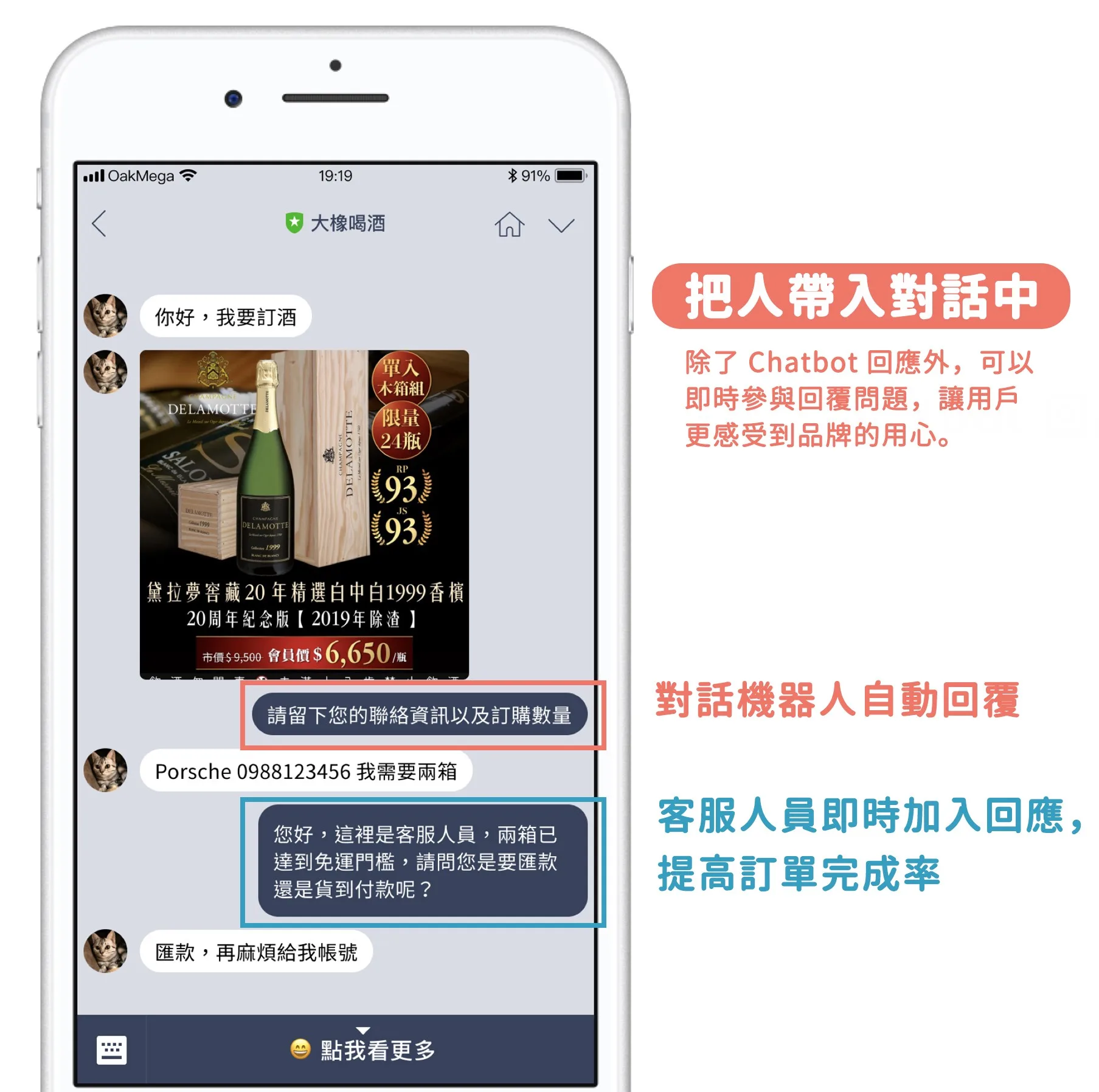
- Bring people into the conversation: beyond chatbot replies, have your team jump in and answer questions in real time so users can feel the care your brand puts in.
6. Keep reviewing your chatbot flows
Use data to see when users leave a conversation and how posts perform, then adjust. Review performance monthly or quarterly, or use the data to pinpoint which step in the flow makes customers drop off before finishing. This helps you optimize the entire flow.
Conclusion
Neither chatbots nor messaging are just ad platforms anymore. A conversation is a back-and-forth exchange: you need to deliver content people actually care about to exactly the right people. That is the precise segmentation BotFat delivers.
Think through every step of the conversation as you design the interaction, so the flow never feels stiff and you can solve users' problems more effectively.

📣 Join the Telegram Taiwan Marketing Lab and join the discussion
OakMega Social CRM, the LINE CRM built for marketers: https://oakmega.com/
Official website / Facebook page