






Close Sales in a Chat: Conversational Commerce Is Rising
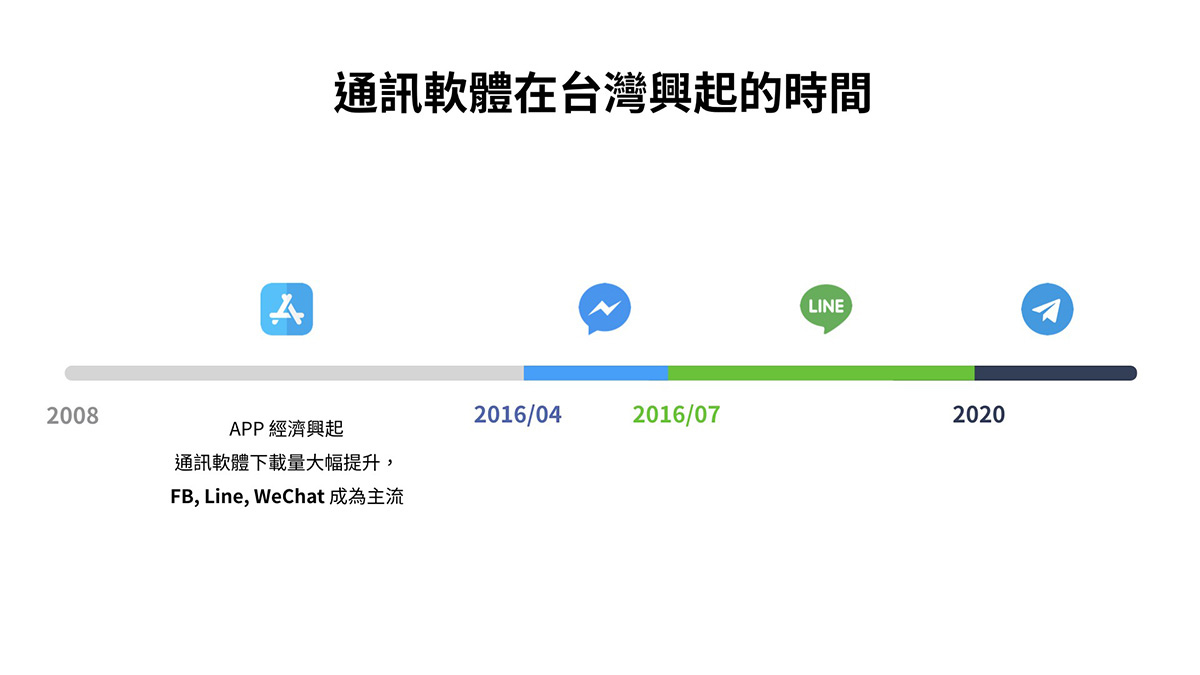
Everyone carries a smartphone now, and messaging apps like WhatsApp, Messenger, WeChat and Telegram compete for our limited time. In Taiwan, LINE alone has 21 million users, so nearly everyone has at least one LINE account. How do you actually close a sale through chat?
 ILING WuProduct Marketing Manager
Smartphones are in every pocket. We used to reach each other by email; now messaging apps live on our phones, and WhatsApp, Messenger, WeChat, Telegram and others keep competing for our limited time. In Taiwan, LINE has 21 million users, which means nearly everyone has at least one LINE account.
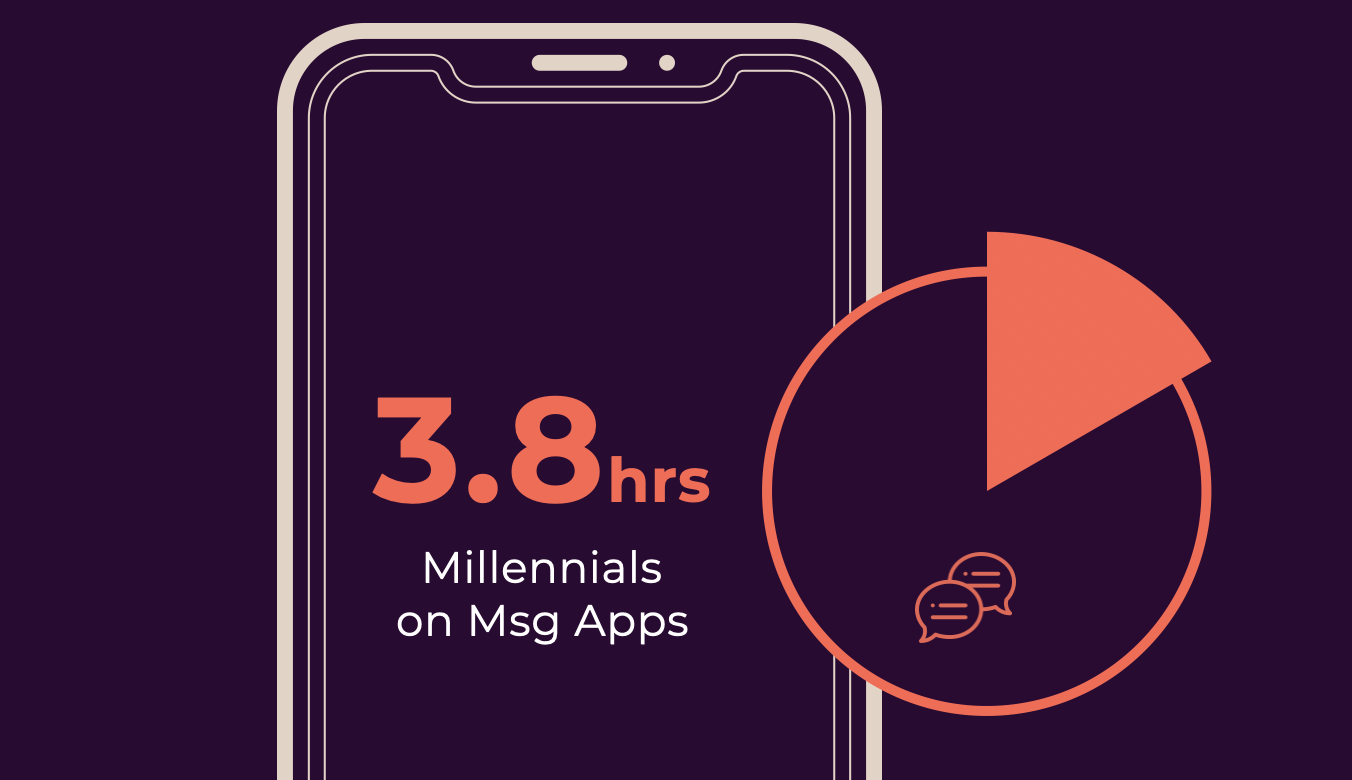
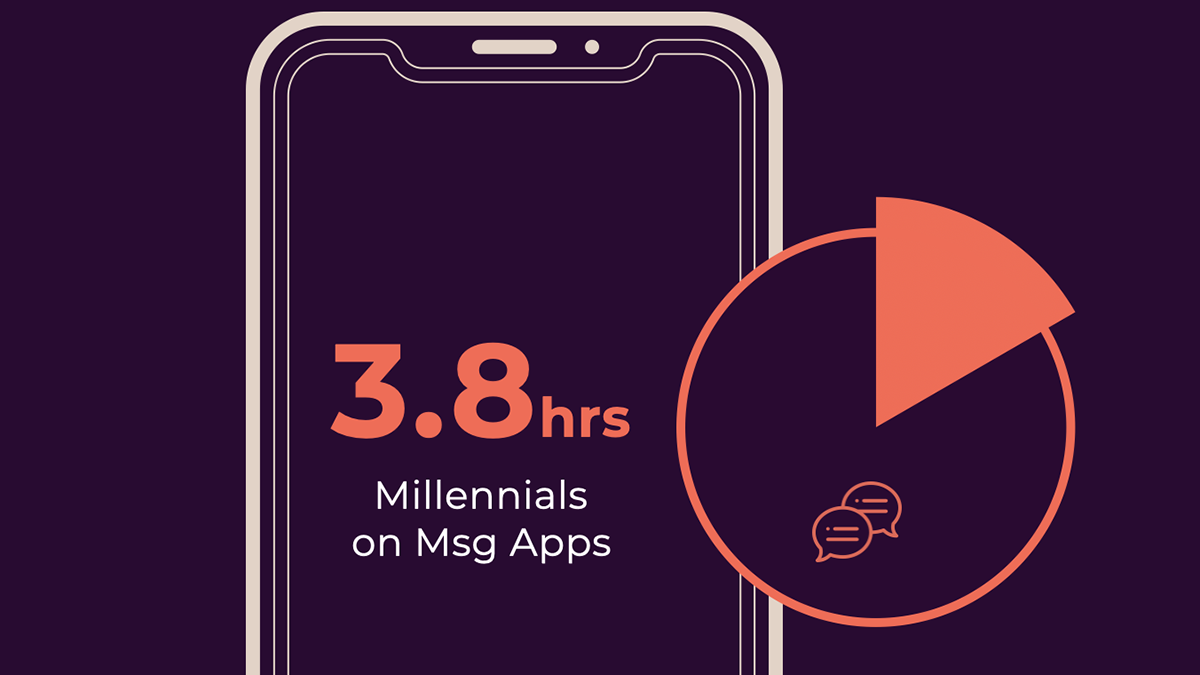
Studies show the average adult spends at least 2 hours a day on messaging apps, and young people as much as 3.8 hours. 2020 data shows people in Taiwan spend at least 8 hours a day online, so messaging apps may take up a third of that time.
Messaging apps have changed not only how most of us live, but also how we shop.

Conversational commerce to reach US$1 billion in 2021
A new market forecast says app spending will reach US$270 billion by 2025, including paid downloads, in-app purchases and subscriptions.

According to Sensor Tower, consumers currently spend twice as much on mobile games as on non-game apps, but it predicts non-game app spending will overtake games by 2024. Subscription-based mobile apps are set to reshape the market, a sign of how bright the outlook for mobile apps is.
Shopping habits have shifted noticeably too. Yotpo, an automated e-commerce analytics platform, found that up to 65% of shoppers browse or buy on their phones, and App Annie observed that more than 80% of young consumers prefer to shop on smartphones.
This growth comes not only from the pandemic and the strong buying power of Millennials and Gen Z, but also from rising consumer demand for mobile commerce.
The challenges of conversational commerce
In OakMega's Social CRM experience, brands handling customer service need to understand what a customer wants in a short time and respond with the right answer quickly.
Poorly designed team workflows can lead to problems like these:
- When a customer asks a question, how should it be assigned to an agent?
- Can repetitive questions be handled with less manual work?
- Agents can't quickly see a customer's history to give the best response.
- There is no way to choose which back-office permissions each agent gets.
We see these problems at almost every company we help with customer service. The goal is to understand a customer's history and needs faster and reply in real time.
If the back office lets each agent have different permissions, a company can grant agents only the access they need instead of the entire back office.
Further reading: What is Social CRM? Understanding the essence of SCRM
The new Service Center: conversations open up more business
OakMega is launching a brand-new member center. It routes customer messages to agents faster and in real time, and member journeys let agents quickly see a customer's history and the status of their case, which greatly improves conversion.
Focus on service, without distractions
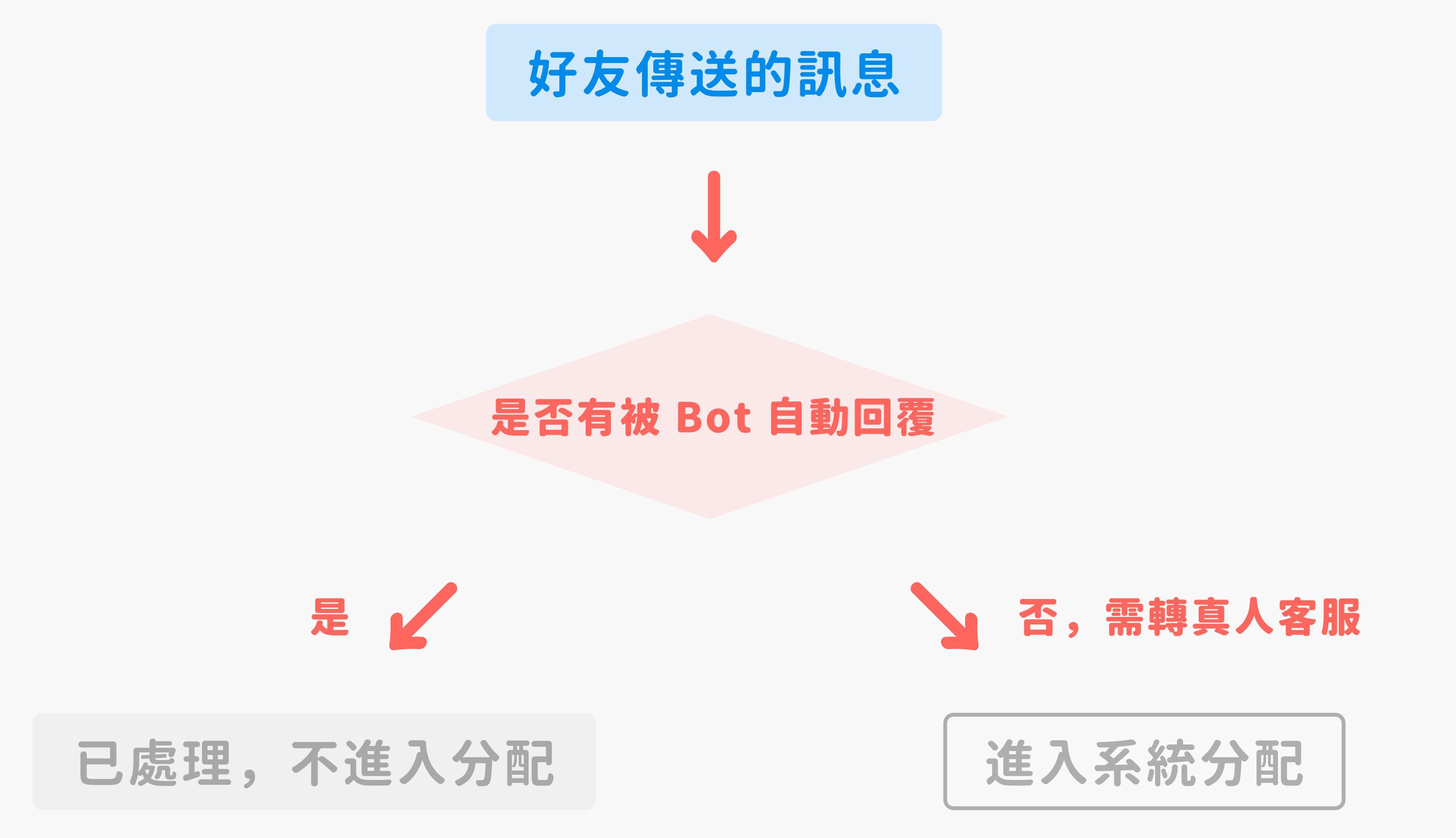
A LINE Official Account shouldn't be split into a “human reply” mode and a “bot reply” mode. The two should work side by side to meet different needs. The redesigned Service Center shows only the messages the chatbot can't answer, so your service team spends its time where it matters and works far more efficiently.
Automatic message assignment
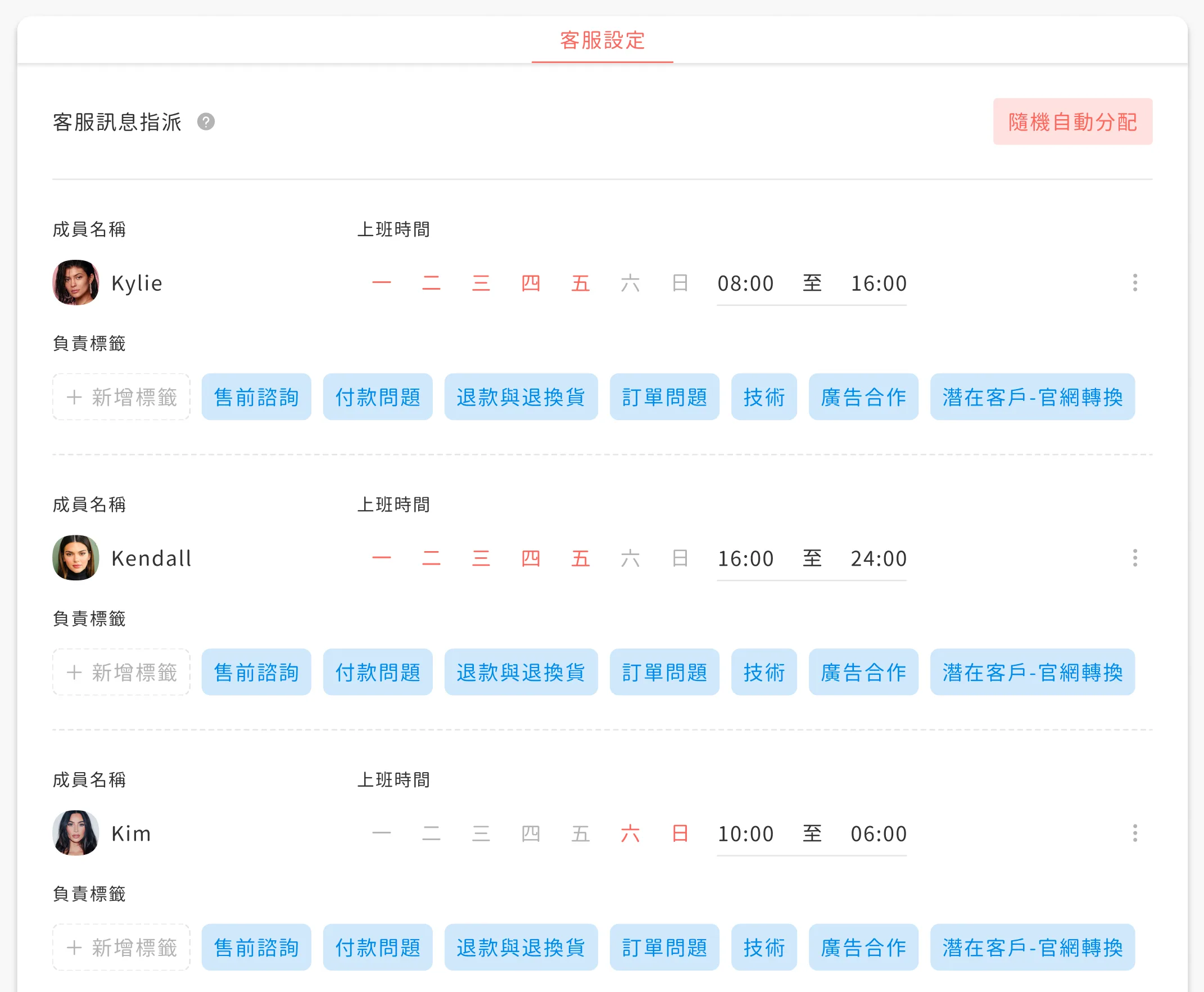
Automatic assignment distributes work to every customer service agent on the team based on conditions, time, workload and more, so every request gets a timely reply.
- Assign messages automatically by condition: tags and working hours
- If several agents match: choose “random assignment” or “assign by workload”
Agent and supervisor roles
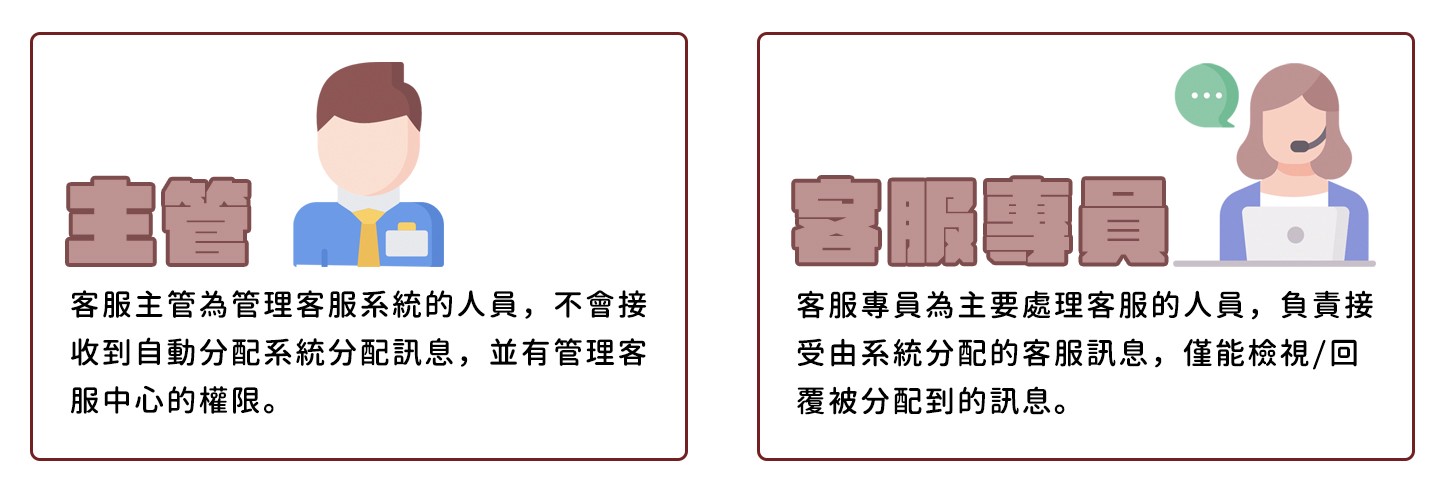
Supervisor and agent permissions are clearly separated, so back-office access is organized and everyone's role is clear. No customer message slips through the cracks again.
Relationships first, purchases second:

Conclusion
So how much value can a Service Center deliver? One of our e-commerce clients used to spend US$8–10 on Facebook ads for every order. After switching to the LINE Service Center plus packaged audiences for ad targeting, how much do you think each order cost?
The answer: US$4.
That's less than half the original cost. With Social CRM, the brand also gets a clearer picture of its friends, sends more precise messages based on their preferences, and resolves issues faster without losing track of context, so customers get answers they're happy with.
Social CRM keeps complete user data, bringing scattered data together on one platform. That data isn't just for member management; it can also power other channels such as ad targeting and segmented marketing for maximum impact.

📣 OakMega: the Social CRM built for marketers
Your applause keeps us going. Press and hold to clap again and again!
Website / Facebook Page