Conversational Commerce Has Arrived. Which Messaging App Should You Use?
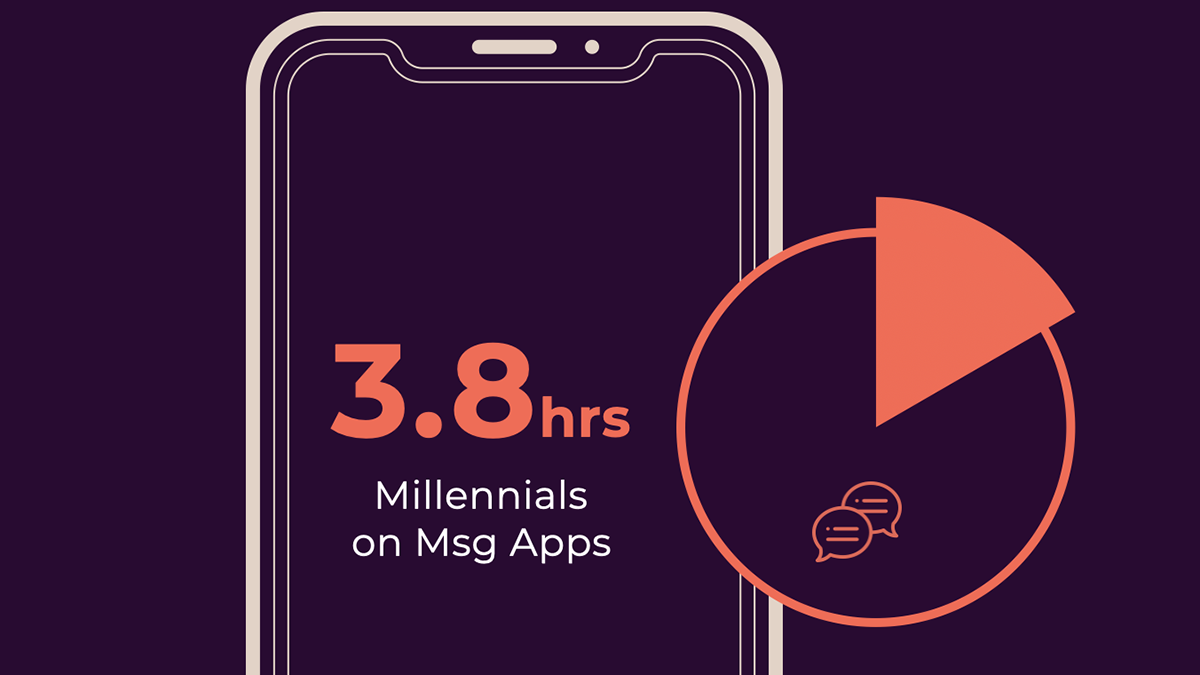
Since 2015, the average monthly active users (MAU) of the world’s four biggest messaging apps—Facebook Messenger, WhatsApp, WeChat, and Viber—have overtaken the major social networks, and messaging apps now have 4.1 billion users worldwide. As consumers shift from physical stores to online channels, then social platforms, and finally messaging apps, businesses are paying more and more attention to conversational commerce.
 AbbieCustomer Success Manager

According to Business Insider, the US business news outlet, the average monthly active users (MAU) of the world’s four largest messaging apps—Facebook Messenger, WhatsApp, WeChat, and Viber—overtook those of the major social networks in 2015 and have kept climbing steadily ever since. By 2018, messaging apps had 4.1 billion users worldwide.
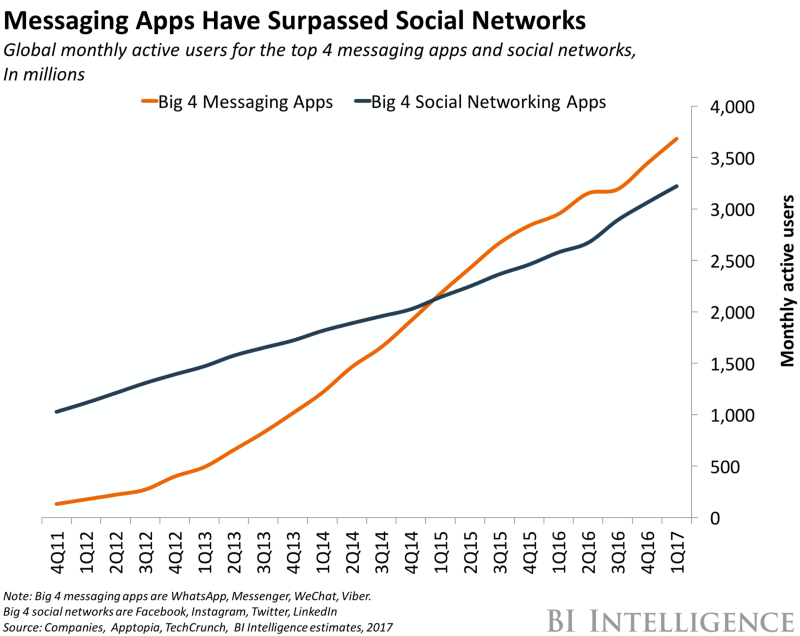
As consumers move their shopping from physical stores to online channels, then to social platforms, and finally to messaging apps, businesses are paying closer attention to conversational commerce. The reason is simple: most conversational commerce runs on messaging apps, which lowers the barrier for consumers. And because a conversation feels personal, it strengthens customer loyalty to the brand. That has made conversational commerce a powerful new SCRM tool—one that builds the last bridge between consumers and brands.
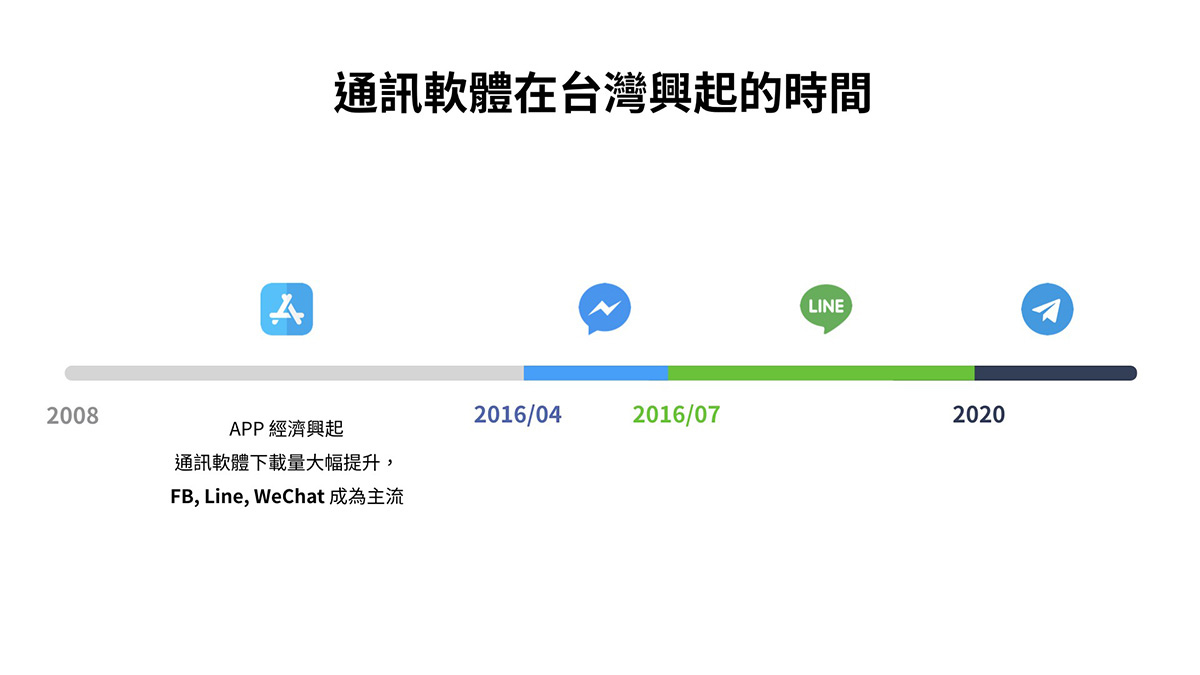
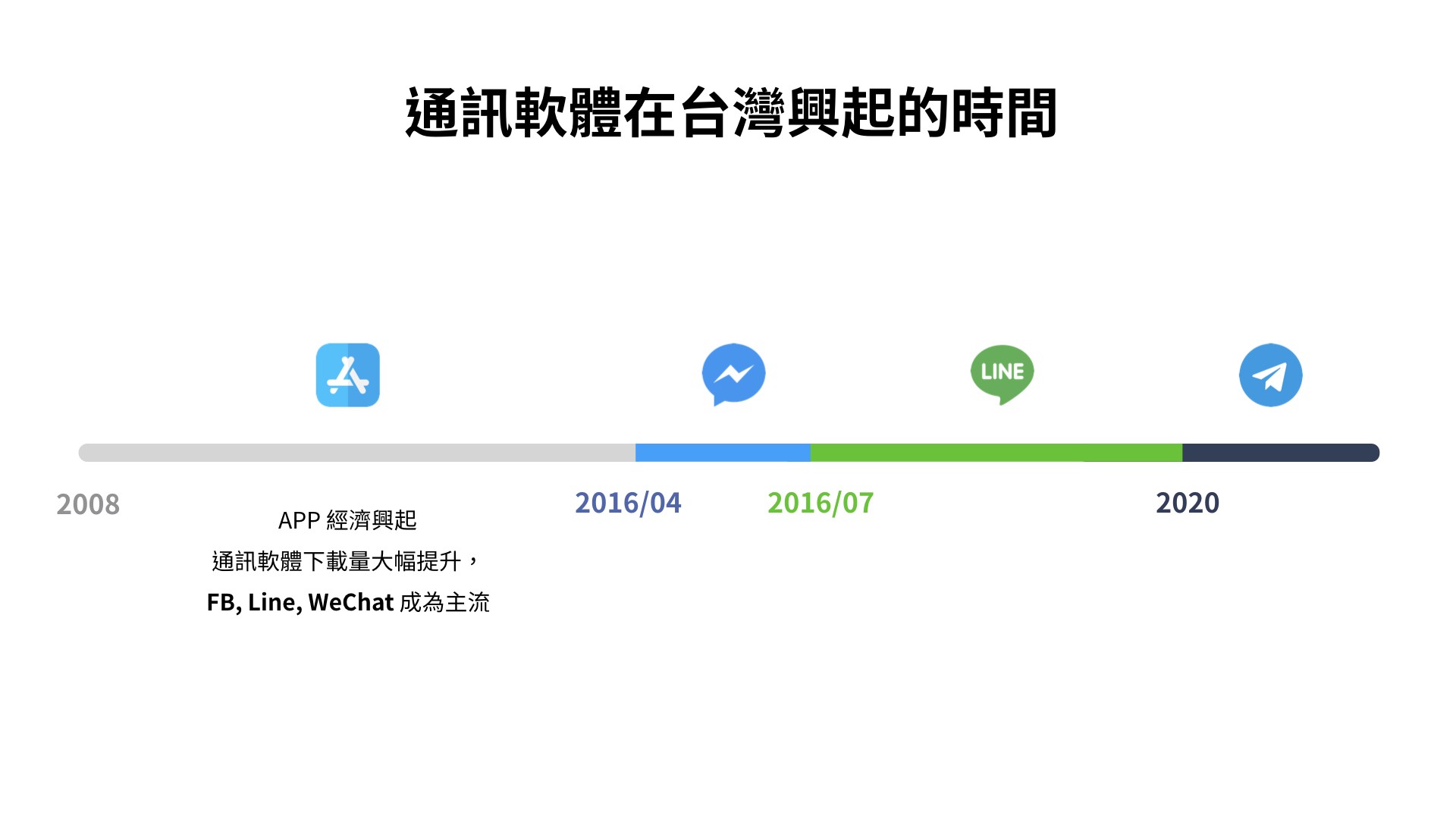
Here’s a quick look back at how conversational commerce tools evolved in Taiwan:
(1) Contender No. 1: Messenger
Messenger was the first messaging app to take off as a conversational commerce tool in Taiwan. Companies at home and abroad started building Messenger chatbots for brands, making it easy for anyone to create their own bot—and even sparking the unforgettable “comment +1” craze.
Here are the most common ways brands use Messenger:
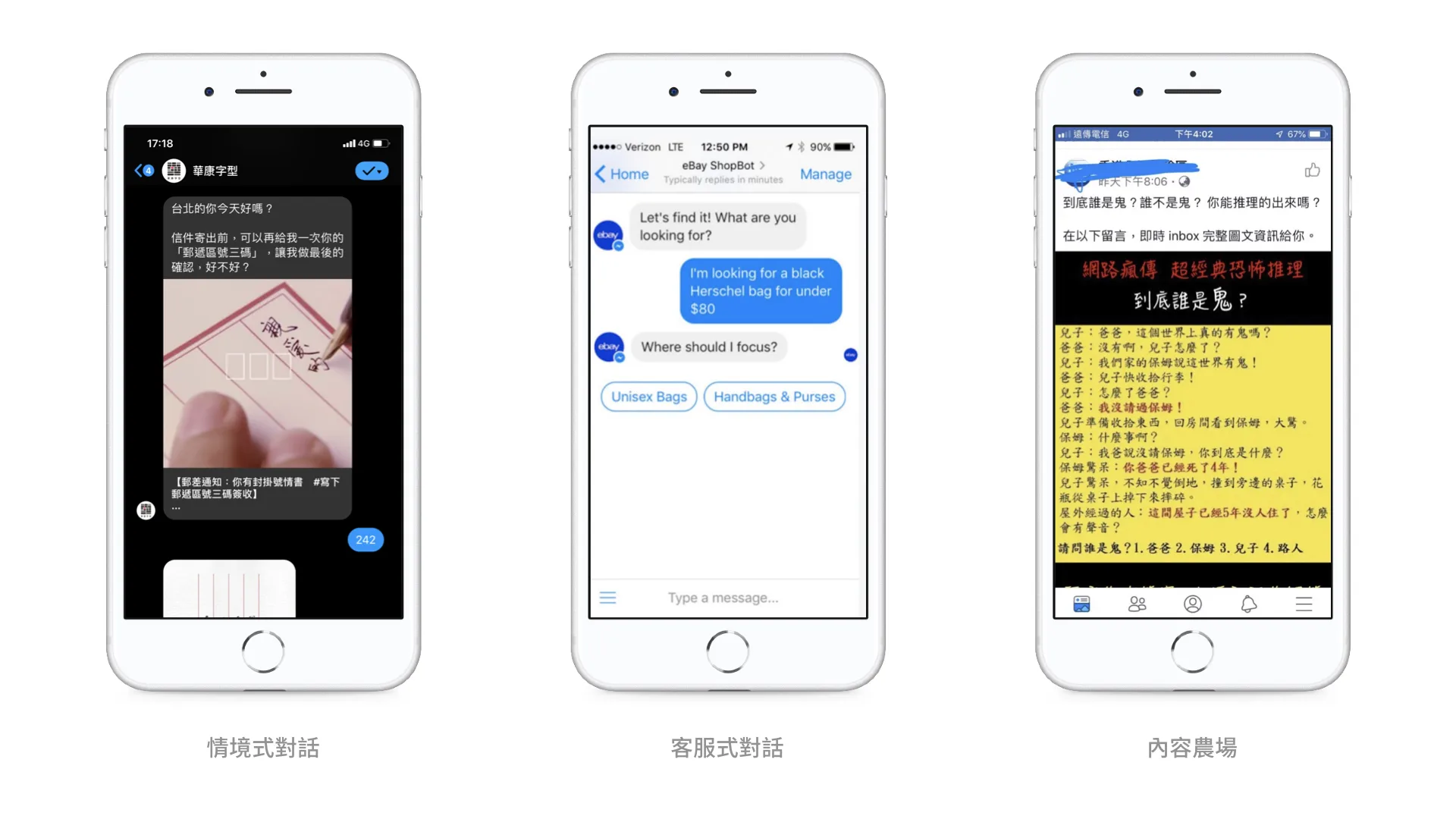
1. Storytelling conversations: Build a campaign that uses a story to draw users into a scenario and introduce them to the brand.
2. Customer service conversations: Collect common customer questions, organize them into categories, and build a chatbot flow around them to lighten the support team’s load.
3. Content-farm conversations: “Comment +1 and we’ll DM you!”
Unfortunately, as LINE took off in Taiwan, fewer people chatted on Messenger, and Facebook kept tightening its rules for Messenger. Plenty of brands still created classic campaigns there—for example, engaging users on both social media and messaging at once by posting on Facebook to drive people into Messenger conversations, hoping to turn them into loyal customers.
But as the social platform’s user base shrank and its rules got stricter, brands moved to survive on the messaging app most people use: LINE.
(2) Contender No. 2: LINE@
LINE has more than 20 million users in Taiwan. To ride the conversational commerce wave, LINE created a thorough application process and set of guidelines for brand Official Accounts. In the early LINE Official Account 1.0 days, pricing was also very friendly: a fixed monthly fee got you API access and unlimited messages. Here’s a quick recap of how brands market on LINE:
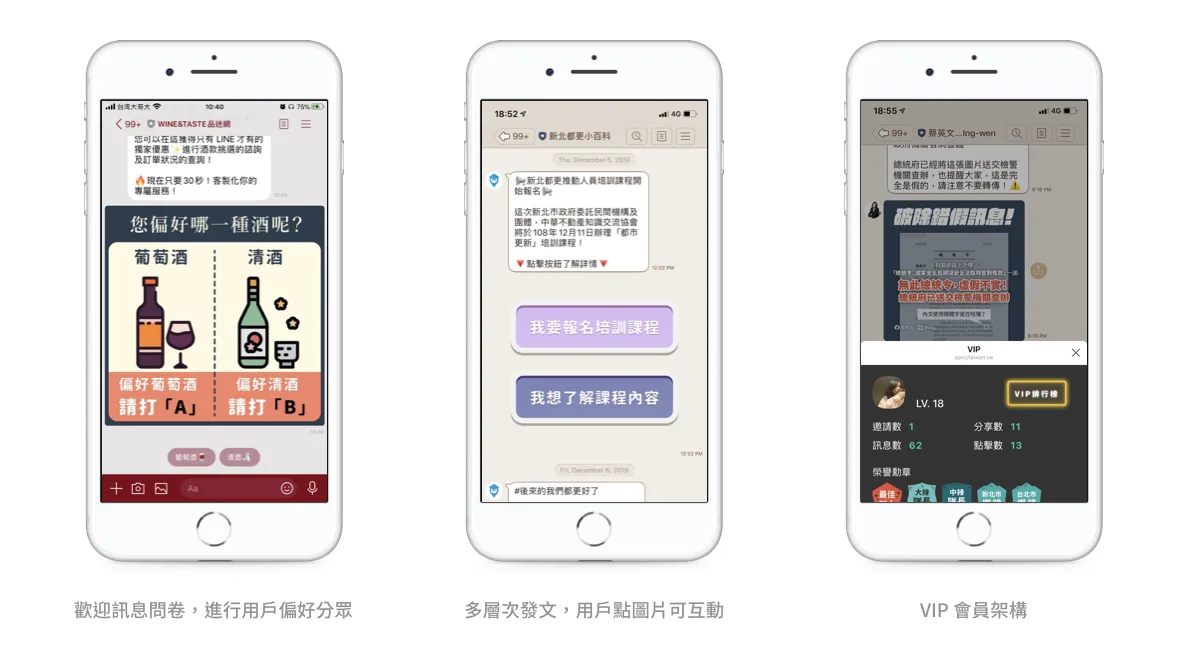
Basically, with the API connected and a bit of creativity, you can do almost anything—thanks to LINE designing its API around marketing needs from the start.
But this year brought a major turning point: everyone is being forced to upgrade to LINE 2.0!
With messaging moving from unlimited plans to per-message pricing, many businesses started crying, “We can’t afford this!” In this wave, brands began moving hand in hand to the quiet achiever of the bunch: Telegram.
(3) Contender No. 3: Telegram
Many people first heard of Telegram when Tzu Chi dropped LINE for it, or when President Tsai Ing-wen recently launched her own Telegram channel. Telegram became popular abroad before catching on in Taiwan. Brands moving there mostly use Channels as their official “bulletin board.”
Summary
Here’s a quick comparison of the pros and cons of Telegram, Messenger, and LINE for conversational commerce:
1. User base (L>M>T)
For consumers in Taiwan, LINE is without question still the stickiest messaging app, but a good number of young people are trying out Telegram.
2. Barrier to entry (API openness) (M>=L>T)
Telegram has the lowest API barrier because there are already plenty of free bots that help you run a Channel. But they are clunky and fragmented, and no third-party service yet meets our needs for running a chat community.
3. Commercial maturity (L>M>T)
As mentioned above, LINE is clearly the most invested in conversational commerce. Its many APIs and features (coupons, retargeting broadcasts, and more) are designed with marketing in mind. Telegram, on the other hand, is new territory, and it will be exciting to see how businesses apply it in commercial settings.
Telegram has only just taken off in Taiwan, and businesses using it to build their brands are expanding fast. We’re very curious to see how commerce will flourish there.
Most businesses are still watching how this ecosystem develops. But with ad costs soaring and returns falling, and with LINE now charging by volume, we think experimenting with conversational commerce on Telegram is well worth a try.
And finally…
In upcoming articles, we’ll share Telegram marketing cases and trends, plus our take on how to run Telegram so it truly attracts consumers (of all ages) to switch over!
Telegram may be free, but we all know that posting without limits only drives up block rates. To avoid that, our next articles will focus on practical use cases that help you turn traffic into profit.
Finally, if you enjoyed this article, please give it a Clap! We’ll also share Telegram trivia from the Paper Plane podcast hosts in our community from time to time.