How We Hit 80% Attendance at a Free Offline Event with a Chat Community
2020 TeleLens DemoDay is a wrap! Thank you all for joining. With rain that day, we were worried about turnout for a free event, but the final check-in rate was 83%. Since it was TeleLens DemoDay, we had to show what Telegram can do, so online registration, on-site check-in, and in-event games all ran on a Telegram bot. So what did we actually do?
 ILING WuProduct Marketing Manager
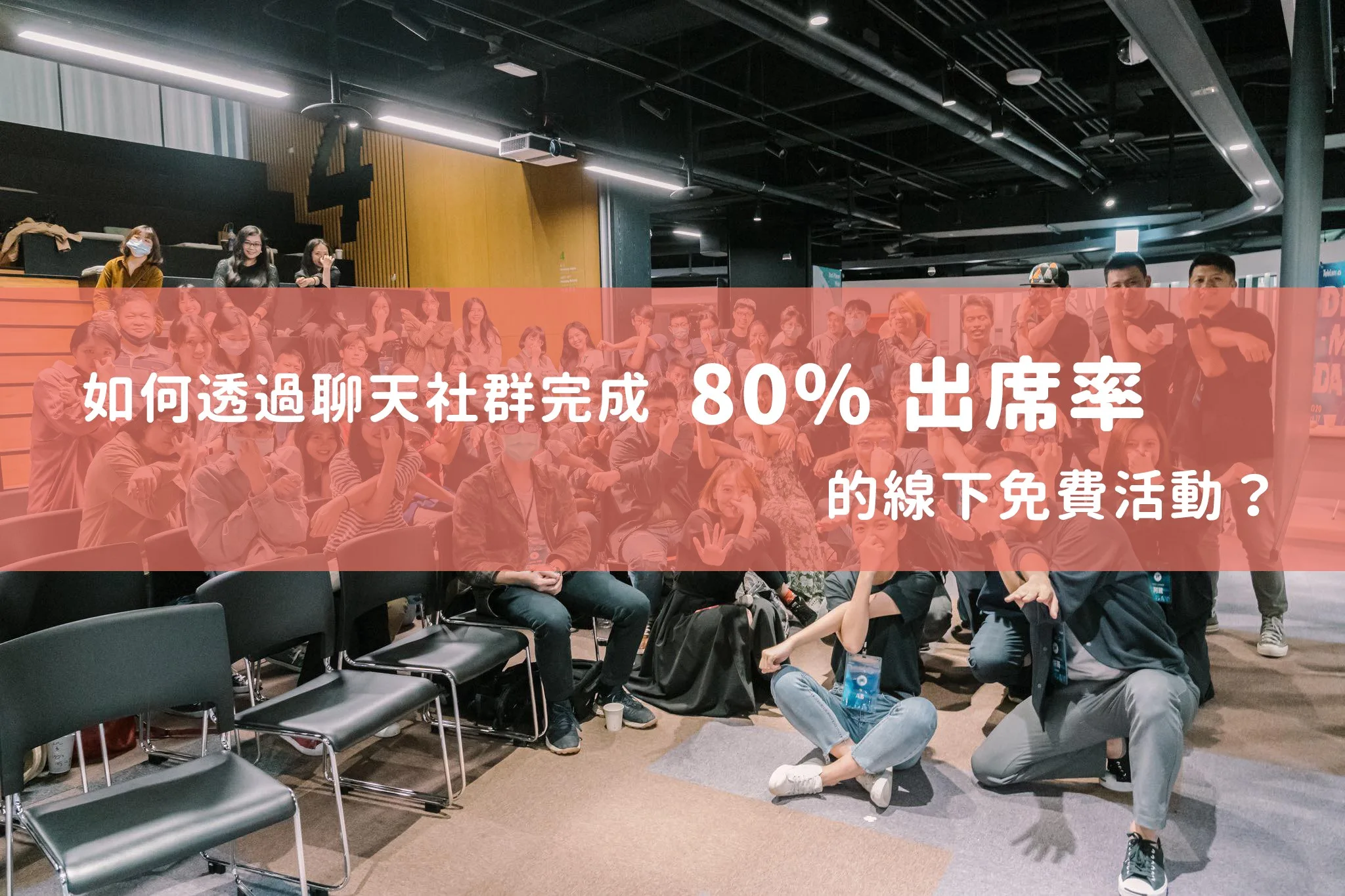
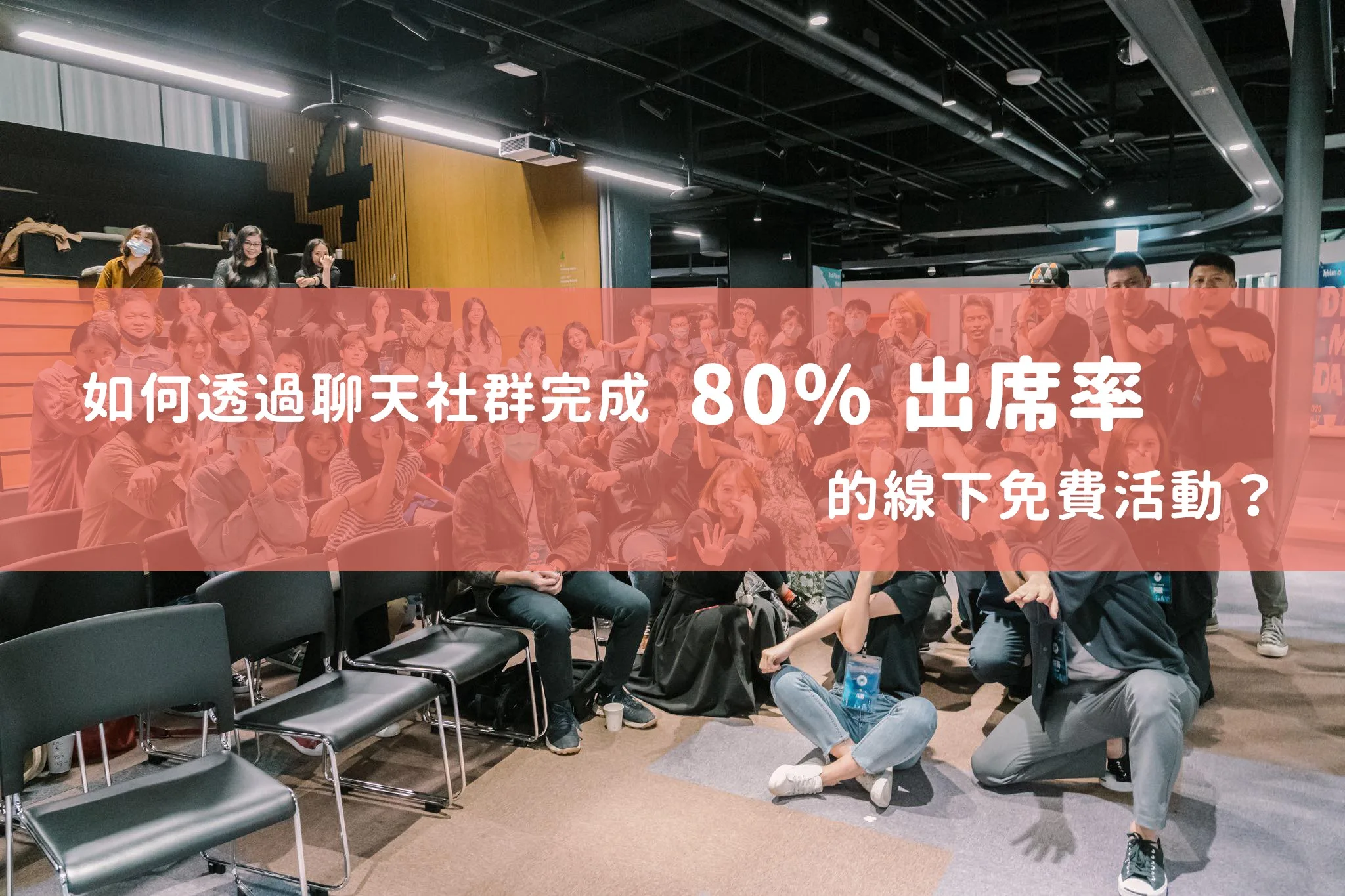
2020 TeleLens DemoDay is a wrap! Thank you all for joining. With rain that day, we were worried about turnout for a free event, but the final check-in rate was 83%. Since it was TeleLens DemoDay, we had to show what Telegram can do, so online registration, on-site check-in, and in-event games all ran on a Telegram bot.
So what did we actually do?
Telegram registration form
Choosing Telegram as the home base for registration was a risky move. We worried that many people wouldn’t know their way around Telegram. As it turned out, we worried for nothing: sign-ups far exceeded our expectations.
We pointed people to our “Social Don Robot Butler” bot, where they could get the registration link either from the welcome message or by triggering a keyword.
New bot users: event registration info sent via the welcome message

Existing bot users: a keyword triggers the registration link
Registration used a form. People could review and edit their answers on the spot, and the form ran basic validation on phone numbers and email formats. That made sign-up far more efficient than a chatbot’s one-question-at-a-time flow.
Telegram check-in QR codes
Once registration closed, we screened the list and used the bot to send tag-based segmented messages asking people to reply “I’ll be there” or “Can’t make it.” We then filled the open spots from the waitlist based on the number of “Can’t make it” replies. The whole process ran on tags. Finally, we sent QR codes to everyone tagged “I’ll be there,” which served as their admission tickets on the day.
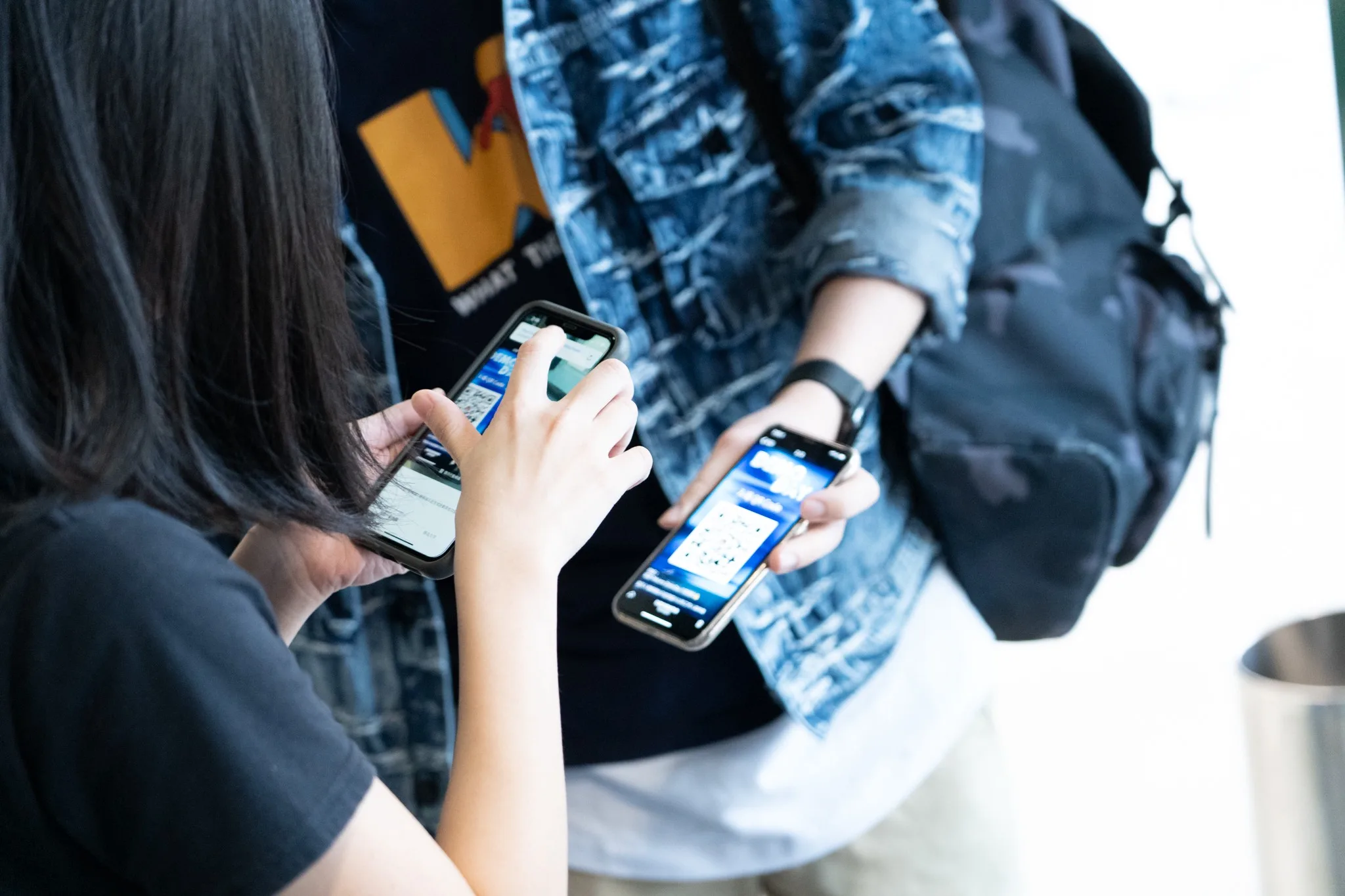
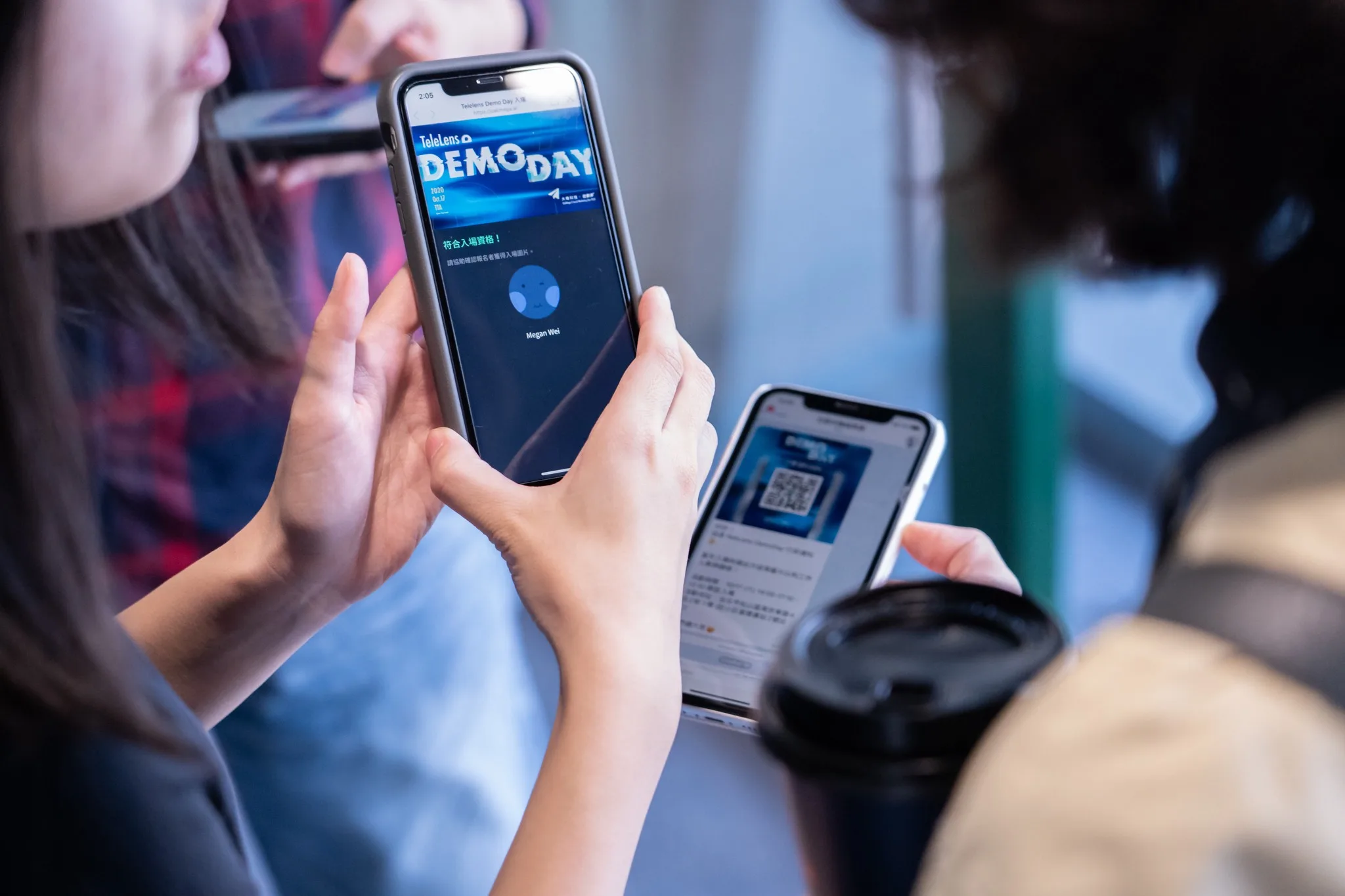
On the day, attendees showed their QR code to staff for scanning and were tagged “Checked in.” We then used that tag for the in-event games. Only people who had checked in on site could play, so even if someone knew the keyword for a quiz answer, they couldn’t trigger it without the “Checked in” tag. That kept the games limited to people actually in the room.
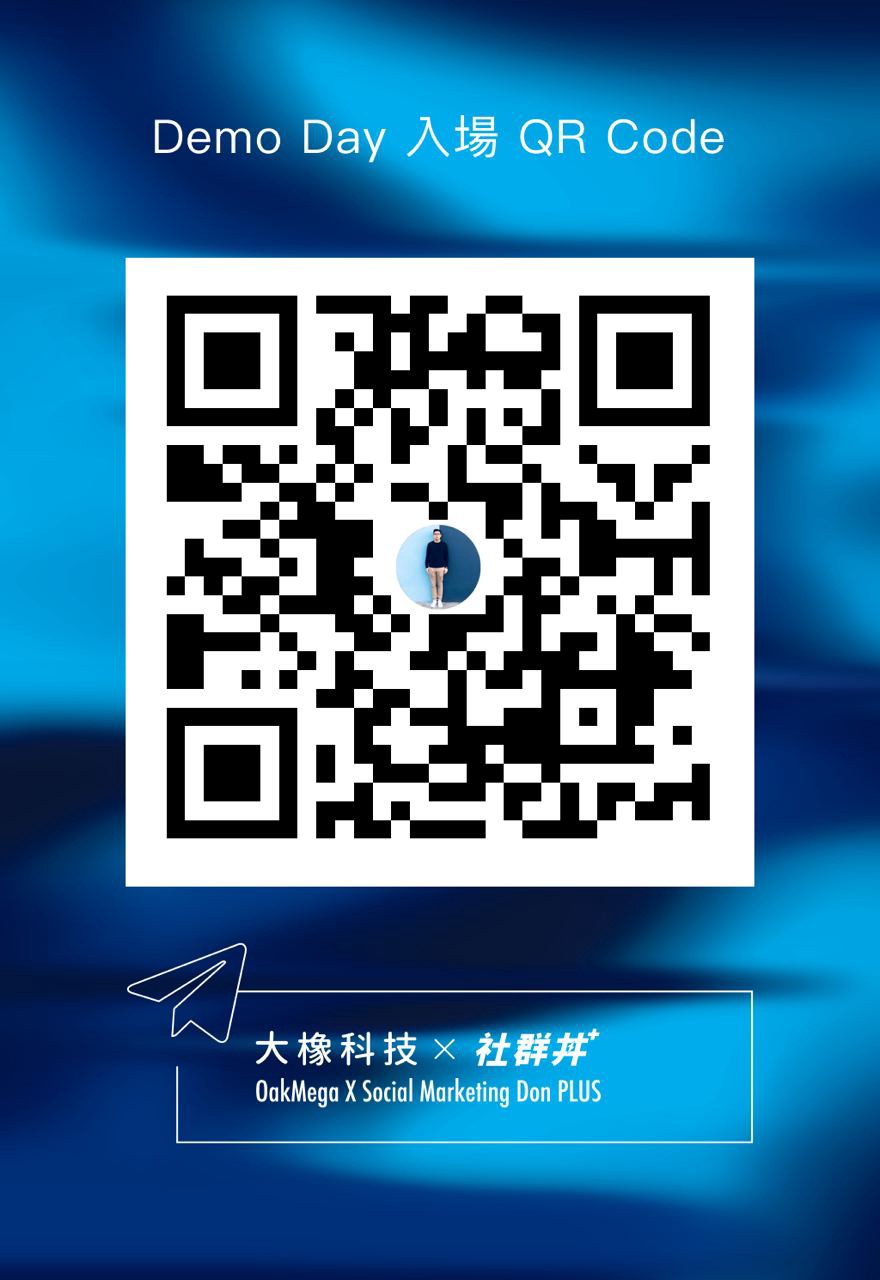
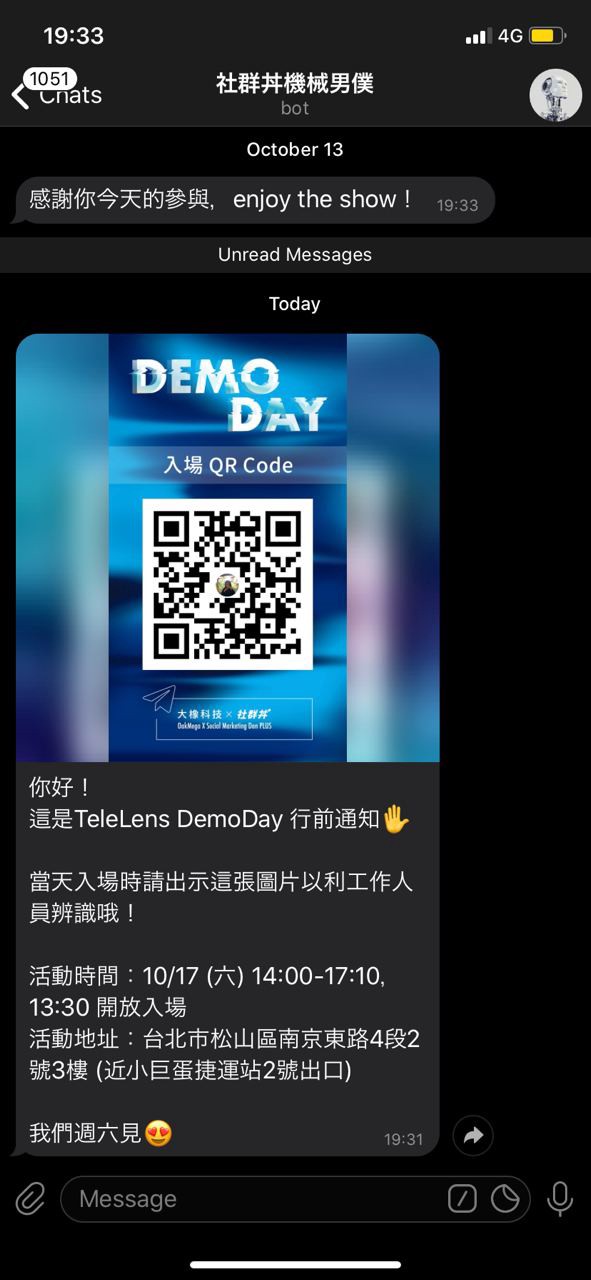
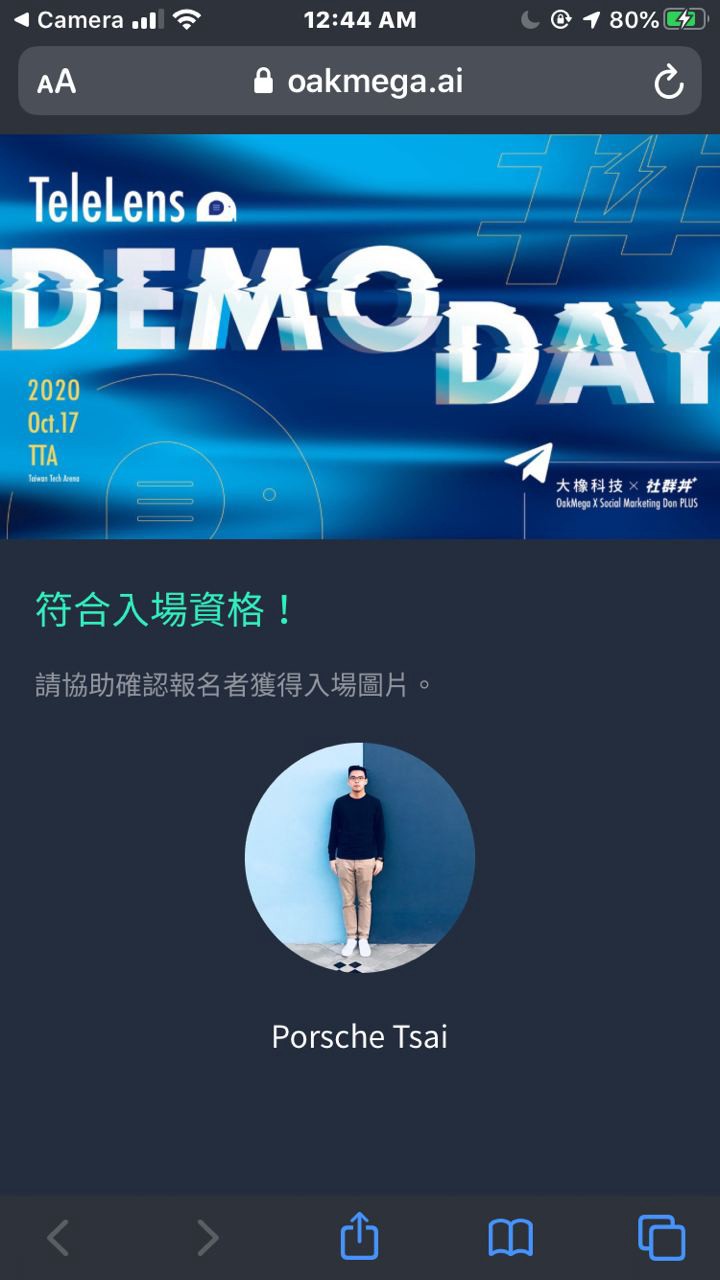
We also personalized each QR code to make it feel exclusive. After all, this was a carefully curated event: demand was so high that we had to cap attendance. Putting extra thought into the small details also made entry much smoother.
You might be wondering:
What if someone didn’t receive a QR code?
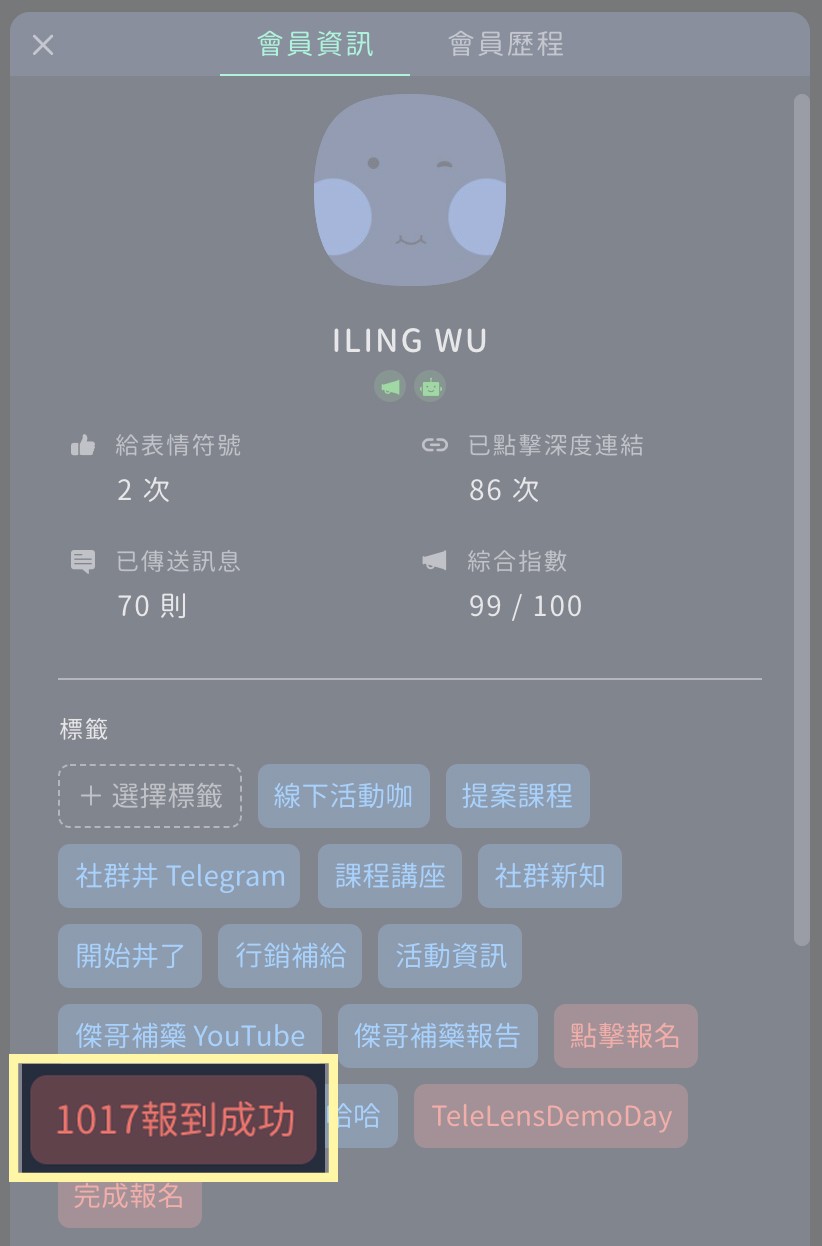
Staff could guide them to trigger a keyword template on site. By entering the day’s check-in password, they’d be tagged “Check-in successful.”
How is this different from a ticketing platform?
Plenty of event platforms already make registration and check-in seamless. So why choose this approach?
Three reasons
📌 You own the attendee list (many ticketing platforms don’t share registration data)
📌 You aren’t held hostage by social media algorithms
📌 You can message attendees directly (pre-event notices, the group photo, slides from the day, and more)
We keep describing chat communities as the place where your true fans gather. With your own chat community, you can identify those fans, and every form submission flows back into your own account, turning it into your first-party data platform.
Double-checking is the key to attendance
We sent four reminders in total:
1. Attendance confirmation: “I’ll be there” / “Can’t make it”
2. Admission QR code
3. A reminder the day before
4. A weather reminder on the morning of the event (it was gray and rainy all day)
All of these reminders were there to keep people from forgetting a free event. With a paid event, people remember to show up with their ticket. Free events, though, easily slip down the priority list because of the weather or other commitments, and attendance suffers.
The day before, we projected 90% attendance, but in the end only 85% showed up. That’s still far higher than the 60% many free events get.
Follow-up marketing
Tags from the event can also fuel follow-up marketing. For example, if you offered a promotion during the event, you can send a reminder as it nears expiration. Messages like these can go only to specific tags instead of being blasted to everyone.
You can even target people who didn’t show up or who registered but weren’t selected. Tags such as “Clicked the form but didn’t finish registering,” “Registered but didn’t check in,” and “Received a ticket but didn’t check in” can each get a different offer and a message tailored to their situation.
Conclusion
Tickets make a free event feel more exclusive. We even hid each person’s profile photo in their QR code so every attendee got a personally designed ticket. And we used what chat apps do best, conversation, to keep reminding people about the event.
We acted like a slightly nagging friend whose friendly reminders kept the free event on track, making the most of what a chat community can do.
※ Good news from TeleLens: connect by 12/31 and you can use it free until 2021/06/30. Don’t miss out.

📣 Join the Telegram Taiwan Marketing Lab and join the conversation
OakMega Social CRM: the LINE CRM built for marketers
👏 Your applause keeps me going. Press and hold to clap again and again!