


Social CRM vs. Traditional CRM: Keeping Up with Ever-Changing Consumer Behavior
Today's shoppers gather information both online and offline, and as consumers grow more self-aware, emotional factors increasingly shape purchase decisions. Customer relationship management is the bridge that builds warm connections between brands and consumers. In an era dominated by social apps, traditional CRM is evolving into Social CRM. To stand out in the OMO battlefield, understanding the difference between traditional CRM and Social CRM and getting a clear picture of your consumers is the most powerful weapon brands and businesses have.
 Iris LiuMarketing Intern
Have you noticed? At some point, shopping stopped relying only on physical stores. Researching all kinds of information online has quietly become part of our shopping routine, and we have become more self-aware as consumers. Price is no longer the only priority; many emotional factors shape purchase decisions. That is why customer relationship management serves as the bridge that builds warm connections between brands and consumers. In an era dominated by social apps, traditional CRM is evolving into Social CRM. To stand out in the omnichannel OMO battlefield, understanding the difference between traditional CRM and Social CRM and getting a clear picture of your consumers is the most powerful weapon brands and businesses have.
Consumer Behavior Enters a New Era of “Individualization” and “Online-Offline Integration”
According to Google's 2022 Taiwan Smart Consumption Report, Taiwan is gradually losing its demographic dividend, and the share of single-person and couple-only households is rising. Compared with the past, when households of parents and unmarried children were the majority, people with spending power are increasingly shifting their spending toward themselves, starting from their individual needs.
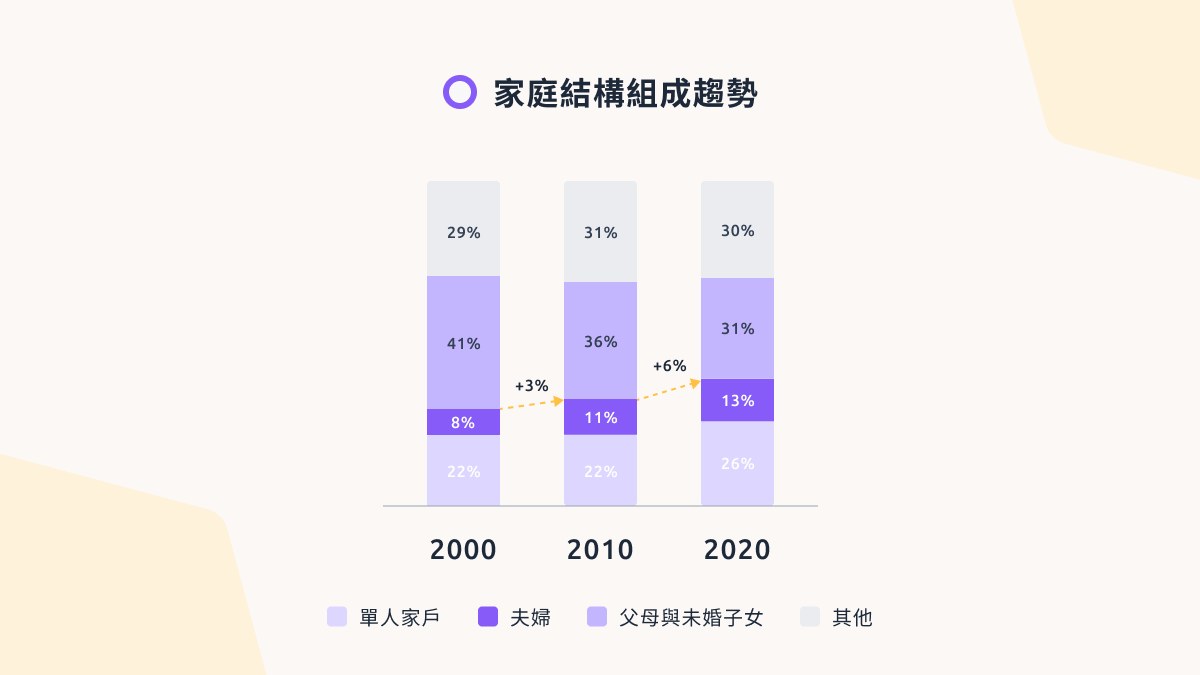 Source: Google 2022 Taiwan Smart Consumption Report
In addition, consumer price index (CPI) data from the Directorate-General of Budget, Accounting and Statistics under Taiwan's Executive Yuan shows that as of June 2022, prices rose 3% year over year, the highest in nearly a decade. It's reasonable to infer that customers will be even more careful about how they allocate their spending than in previous years.
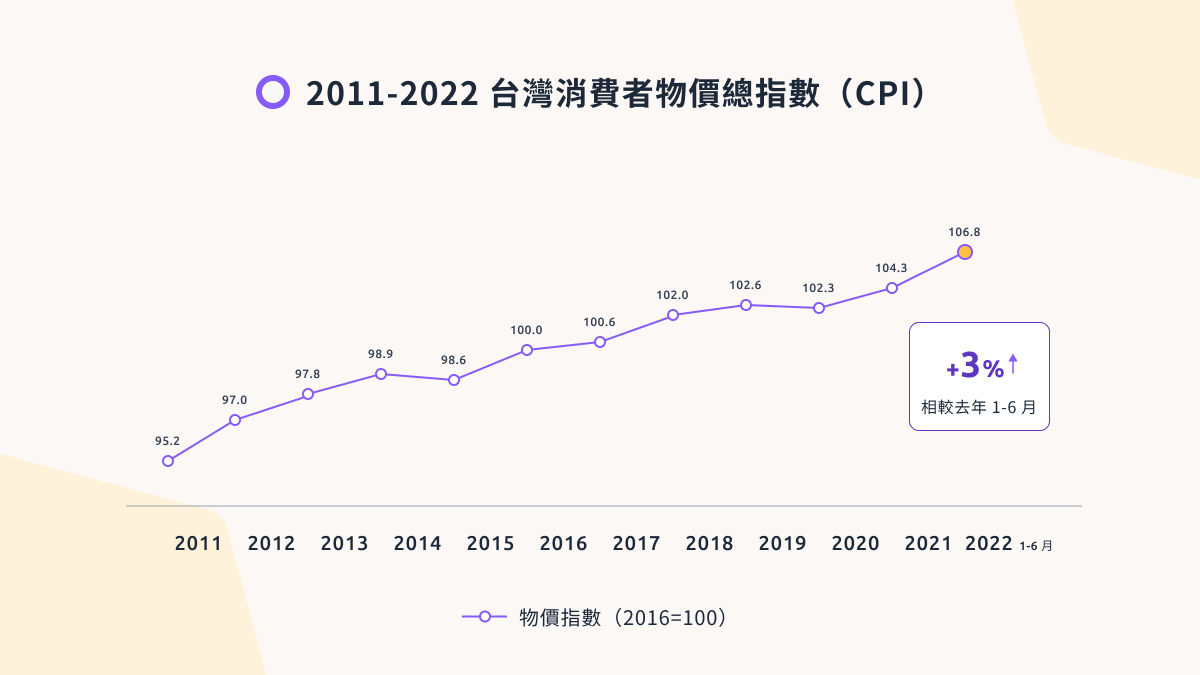 Source: Google 2022 Taiwan Smart Consumption Report
The report also shows that, influenced by the pandemic, 56% of consumers in Taiwan move back and forth between online and offline information channels. For example, a customer happens to see a new vacuum cleaner on Instagram, clicks through to the official website to read about it, and searches YouTube for unboxing videos. After this initial research, they go to a physical store to feel the vacuum's weight and test its performance. But because e-commerce platforms often offer better prices or points rewards than physical stores, the customer ends up buying online.
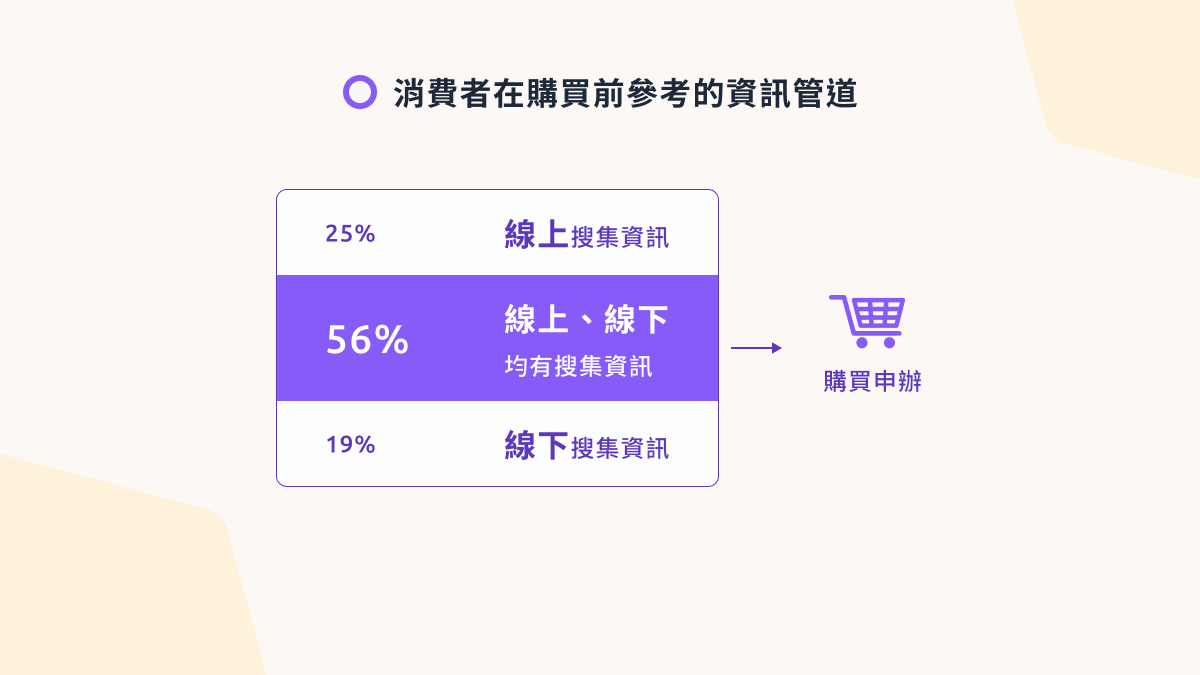 Source: Google 2022 Taiwan Smart Consumption Report
Mastering the Customer Journey Map for Precision Marketing Is a Must in the New Era of Consumption
Taken together, these trends show that consumers' self-awareness has grown significantly as household makeup has changed. The Smart Consumption Report also analyzed 3,400 consumer journeys and found that rational and emotional factors now weigh almost equally (close to 1:1) in purchase decisions. Technical specs, features, and performance still matter, but if brands and businesses can understand what customers truly feel and think at each touchpoint, break down their real needs, and recommend the right products before customers ask, it gives purchase intent a major boost. That makes the footprints customers leave at every touchpoint the most important and most critical asset for brands and businesses.
How Do You Master Touchpoints? Build Precise Customer Touchpoints with Three Stages of Content MarketingA step-by-step guide to the basics of mastering customer touchpoints, the role content marketing plays at each stage of the customer journey, and how content marketing amplifies the value of CRM, strengthening every interaction with customers so you stand out across channels. More and more brands are setting up official accounts on social platforms, all hoping to use the interactive nature of social media to connect more directly with friends. With the Messaging API from LINE Developers, brands can connect a chatbot to their LINE Official Account and engage friends in richer one-to-one interactions.https://oakmega.com/blog/how-content-marketing-improve-touchpoints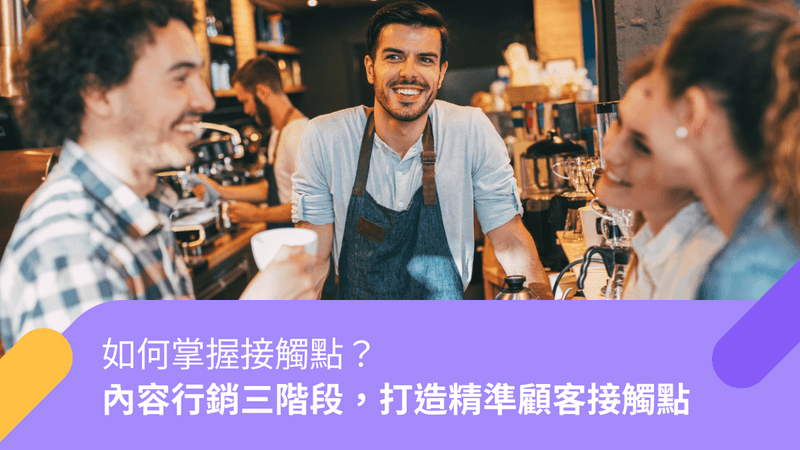
When Traditional CRM Meets Social CRM: Understand the Differences to Find Your Lever for Customer Loyalty
As noted above, understanding customer profiles is the key to success in this new era of consumer behavior, and that is exactly what customer relationship management (CRM) was built for. CRM helps businesses collect data across the customer journey, improve the customer experience, and make each stage of the sales funnel more efficient. Most people are already familiar with CRM leaders such as Salesforce, HubSpot, and Zoho.
In recent years, though, you have probably noticed a new force rising in the CRM space: Social CRM. Since Salesforce made Social CRM part of its CRM offering, data shows that more than 70% of customers who subscribed to the service saw a significant increase in customer engagement, and communicating through social media channels has delivered clear gains in conversion rates. But if you are reading this, you are probably wondering: what exactly is the difference between traditional CRM and Social CRM?
The comparison below covers several dimensions to help you find the right customer relationship management strategy for your brand or business amid fragmented, online-offline buying behavior:
Goals
- Traditional CRM strategy: Uses a CRM system to make the sales funnel more efficient. It focuses on data management, sales automation, and sales processes, helps monitor customer behavior and purchase history, and is sales-driven at its core.
- Social CRM strategy: An extended, more advanced version of traditional CRM. It uses tags to build a fuller picture of customer behavior, maintains relationships with new and existing customers, helps grow conversion and retention rates, and is customer-driven at its core.
Customer Communication Channels
- Traditional CRM strategy: Relies mainly on direct marketing, such as email and newsletters, for one-way communication.
- Social CRM strategy: Collects the footprints customers leave everywhere, from their activity on social media to offline touchpoints in physical stores.
Customer Interaction Model
- Traditional CRM strategy: The company decides what content to send based on its own strategy and sends the same standardized content to all customers. The interaction is one-way, and the company can't receive customer feedback right away or respond in real time.
- Social CRM strategy: Focuses on one-to-one customer interaction. It sends personalized messages based on each customer's activity and uses chatbots to create two-way conversations, keeping the customer relationship going.

Social CRM Adapts Quickly to Omnichannel, Online-Offline Buying and Builds Customer Relationships That Are Both Emotional and Rational
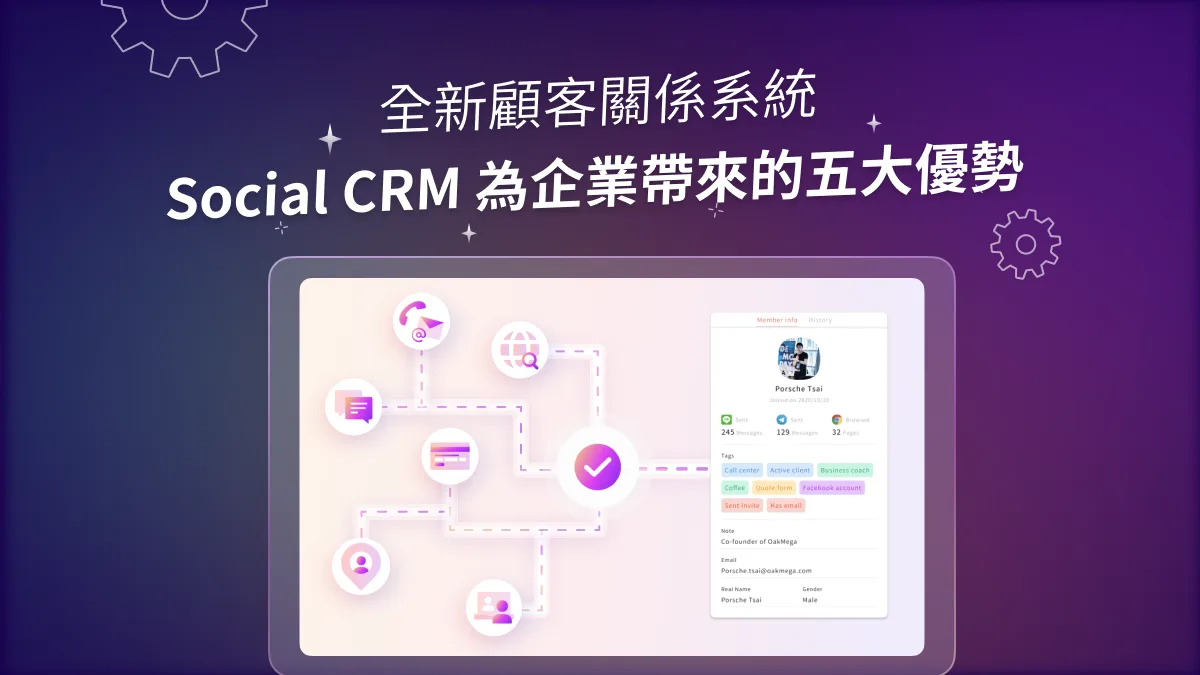
With fragmented buying journeys and highly active social media use, traditional CRM still has value, but it can't deliver precise, real-time two-way interaction. Social CRM's tag management clearly unifies customer behavior and tailors one-to-one messages to each customer's preferences and needs, improving the shopping experience and strengthening the relationship between businesses and customers. And whether customers reach a brand or business online or offline, Social CRM captures first-party data and identifies consumer needs in real time, making it easy to sharpen your competitive edge in the OMO era.
To learn more about Social CRM use-case strategies, download our latest free “LINE Social CRM Use Case White Paper,” or browse more free white papers.